You’ve got a backyard shed that’s probably filled with gardening tools, old paint cans, or holiday decorations. But what if you could transform that underused space into a quiet, personalized office? With remote work becoming the norm, turning a shed into an office is a smart, budget-friendly way to create a dedicated workspace without the cost of a home addition. The best part? You don’t need a contractor or a six-figure budget to make it happen.
Converting a shed into a functional office involves more than just adding a desk and chair. It requires careful planning for insulation, electricity, lighting, flooring, and internet connectivity to build a comfortable, weather-resistant environment. Whether your shed is brand new or has been sitting for years, this guide walks you through every step—from clearing and prepping to wiring and decorating. By the end, you’ll know exactly how to turn a basic shed into a professional, inspiring workspace that boosts productivity and peace of mind.
Clear and Prep the Shed for Conversion
Before installing insulation or flooring, you need a clean, empty shell. Start by removing all stored items—lawnmowers, tools, seasonal gear—and sort them for storage elsewhere. This is the perfect time to declutter and get rid of anything you no longer use.
Inspect the shed’s structure for damage. Look for rotting wood, rust (on metal sheds), sagging walls, or water stains that indicate leaks. Check the foundation: is it level and stable? If the shed wobbles or sits on uneven ground, reinforce it with concrete pavers, gravel, or adjustable footings before proceeding.
Remove All Clutter and Reorganize Storage
A clean workspace starts with a clean shed. Once empty, sweep out dust, cobwebs, and debris. Wash the interior walls and floor with mild detergent to remove mold or mildew. If you still need storage, install wall-mounted racks or overhead shelves. These keep tools and supplies accessible but off the floor, freeing up valuable workspace.
Seal Gaps and Weatherproof the Exterior
Even small cracks let in cold air, pests, and moisture. Use exterior-grade caulk to seal gaps around windows, doors, and joints. Replace worn weatherstripping and install a door sweep at the bottom of the entryway to block drafts. If your shed has vents, consider closing or insulating them to improve temperature control later.
Insulate the Shed for Year-Round Comfort
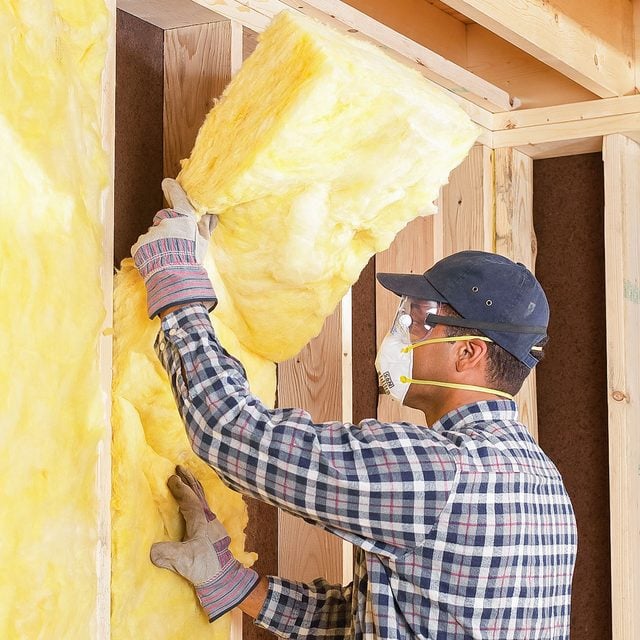
An uninsulated shed becomes unbearably hot in summer and freezing in winter. Proper insulation keeps your office comfortable and reduces energy use if you add heating or cooling.
Choose the Best Insulation for Your Shed
Fiberglass batts are affordable and easy to fit between wall studs and ceiling joists. Rigid foam boards offer higher R-values and resist moisture—ideal for floors and humid climates. Spray foam provides superior air sealing but is more expensive and often requires professional installation.
Always wear gloves, a mask, and eye protection when handling insulation. Cut pieces to fit snugly without compressing, as compressed insulation loses effectiveness.
Insulate Walls, Floor, and Ceiling Thoroughly
Start with the walls: cut insulation to fit between studs and secure with retainers or adhesive. For the ceiling, install batts between rafters, leaving space near the roofline for ventilation if needed. Floor insulation is crucial—especially on raised sheds. Install rigid foam or fiberglass beneath a new plywood subfloor to prevent cold transfer from the ground.
Install Electrical Wiring and Outlets
Power is essential for running computers, monitors, printers, and lights. While DIY electrical work is possible, local codes often require permits and inspections for outdoor structures.
Hire an Electrician or Follow Code for DIY
For safety and compliance, hiring a licensed electrician is the best choice. They can run a dedicated circuit from your home’s breaker box to the shed using underground conduit. If you’re experienced, you may use surface-mounted conduit, but always follow local electrical codes.
Install weather-resistant (WR) outlets and GFCI protection to prevent shocks in damp conditions. Place outlets near your desk and along walls for flexibility and convenience.
Add Effective Task and Ambient Lighting
Natural light improves focus and mood, so maximize it with windows or skylights if possible. Supplement with bright, energy-efficient LED lights. Install overhead ceiling fixtures for general lighting and add a desk lamp for focused work.
Consider motion-sensor or dimmable LEDs to save energy and adjust lighting based on the time of day.
Upgrade the Floor for Comfort and Durability
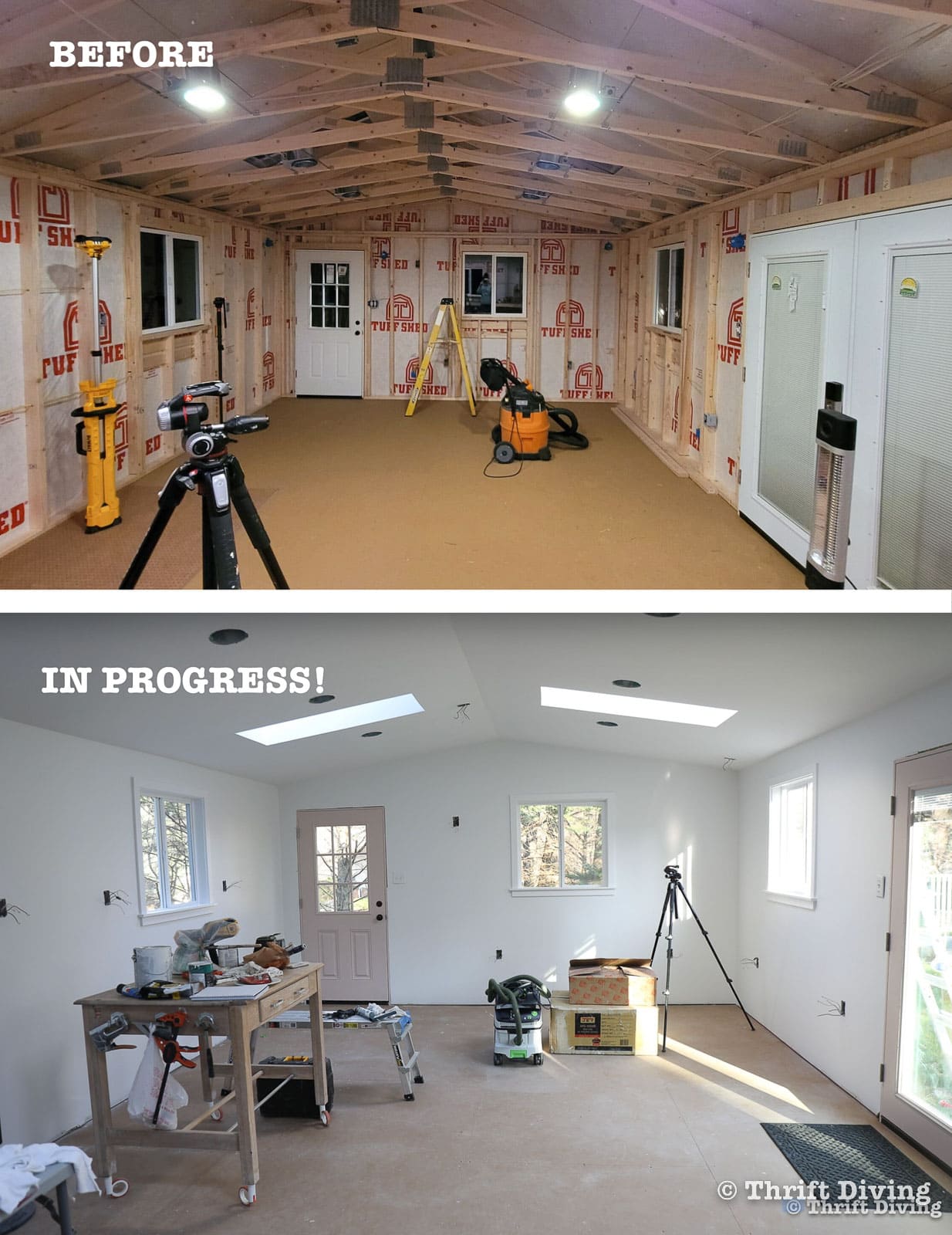
Dirt, concrete, or thin plywood floors are uncomfortable for long work sessions. Upgrading improves comfort, insulation, and the overall look of your office.
Pick the Right Flooring for a Shed Office
Vinyl plank flooring is waterproof, durable, and easy to install. It resists moisture and temperature changes, making it ideal for sheds. Cork and laminate are comfortable underfoot and provide some insulation, but avoid them in damp areas unless properly sealed.
Always install a moisture barrier—like plastic sheeting—under the flooring if the shed sits on concrete or soil. This prevents condensation and mold growth.
Install Flooring in Simple Steps
Clean and level the existing floor. Lay down underlayment for sound and thermal insulation. Then click together floating vinyl or laminate planks, starting from one corner. Use trim pieces around edges and doorways for a clean, finished appearance.
Manage Temperature and Airflow

A poorly ventilated shed gets stuffy and overheated, killing productivity. You need reliable heating and cooling to stay comfortable year-round.
Heat the Shed Safely in Winter
Electric space heaters are portable and effective for small spaces. For permanent solutions, install a wall-mounted electric heater or a mini-split heat pump. These units provide both heating and cooling and are highly efficient.
Avoid propane or kerosene heaters—they produce fumes and pose fire risks in enclosed spaces.
Keep the Shed Cool During Hot Months
Use a portable air conditioner with an exhaust hose to cool the space. Choose models rated for outdoor or semi-outdoor use. Ceiling or wall fans improve air circulation and make the room feel cooler. Install window shades or apply reflective film to block excess sunlight and heat.
Furnish and Decorate for Focus and Comfort
Now that the structure is ready, make it feel like a real office.
Choose Space-Saving, Ergonomic Furniture
Pick a desk that fits your workflow—wall-mounted or corner desks save space. Invest in an ergonomic chair with lumbar support to prevent back pain. Add a small filing cabinet or wall shelves for organization.
Avoid overcrowding. Leave walking space and keep cords managed with clips or cable trays.
Personalize to Boost Productivity
Paint walls in calming, focus-enhancing colors like soft gray, blue, or green. Add a rug for warmth and to reduce echo. Use baskets, drawer organizers, and cable clips to keep supplies tidy.
Include personal touches: artwork, photos, or a small indoor plant. Plants improve air quality and reduce stress, making your shed office more inviting.
Extend Reliable Internet to the Shed
No office works without a strong internet connection. Wi-Fi signals often weaken over distance, especially through walls and trees.
Boost Wi-Fi or Run a Wired Connection
Use a Wi-Fi extender or mesh network system to expand coverage. Place the extender halfway between your router and the shed for best results. For a stronger signal, install a dedicated access point connected via Ethernet.
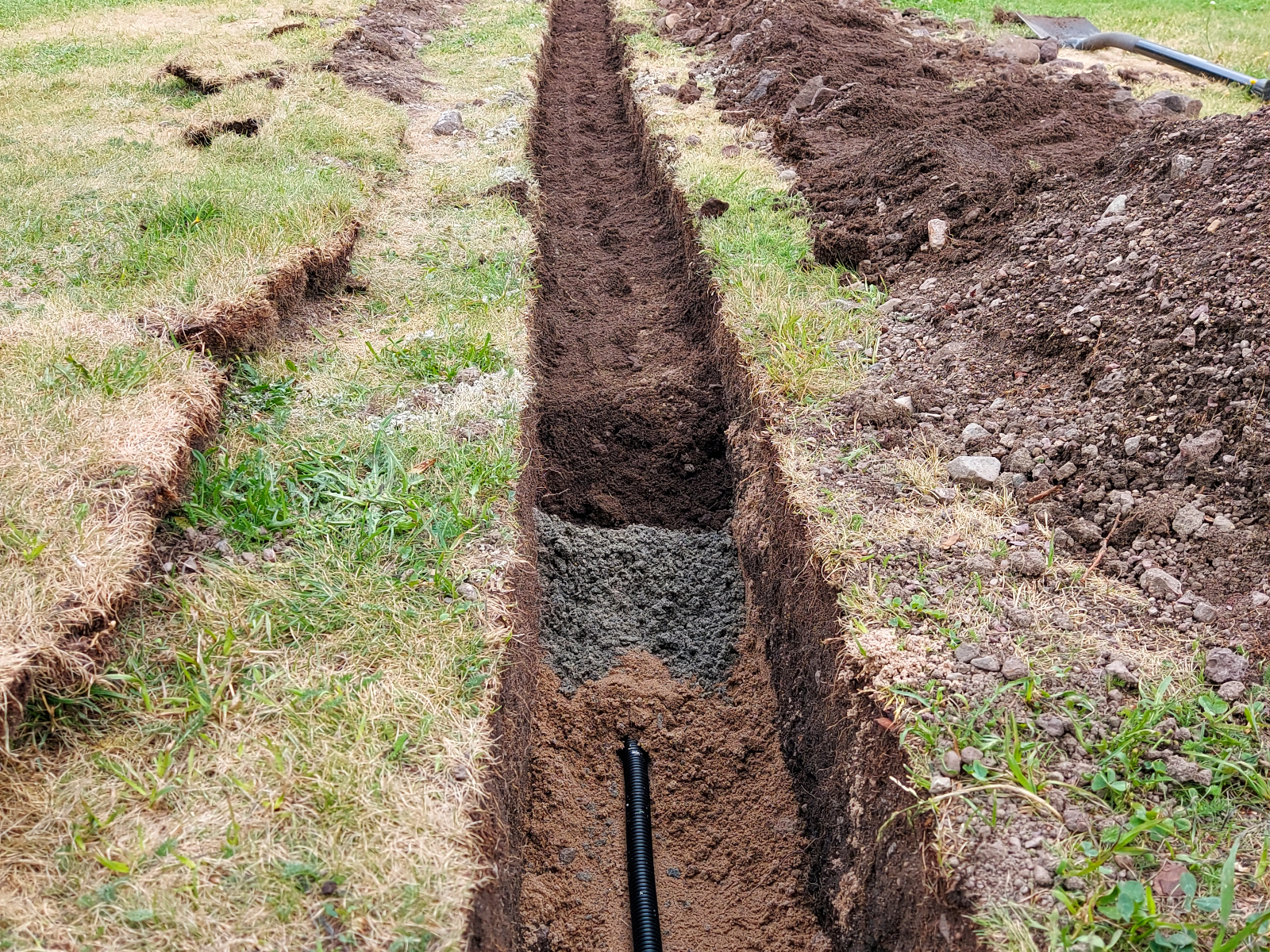
For the most reliable setup, run an Ethernet cable from your house to the shed—buried in conduit or along a fence. This provides fast, stable speeds ideal for video calls and large file transfers.
Secure and Maintain Your Shed Office
Once your office is complete, protect your investment with regular maintenance and security.
Prevent Moisture and Pest Problems
Check for leaks after heavy rain. Use a dehumidifier in humid months to prevent mold. Avoid eating in the office to deter insects and rodents. Seal any new gaps immediately.
Lock Up and Monitor for Safety
Install a sturdy lock on the door. Consider a smart lock for keyless entry or a security camera for remote monitoring. Add outdoor motion-sensor lights to deter intruders and improve nighttime safety.
Frequently Asked Questions About Turning a Shed Into an Office
Can I legally turn my shed into an office?
Yes, in most cases, but check local zoning laws and building codes. Some areas require permits for electrical work, insulation, or habitable structures. Homeowners’ associations may also have rules about exterior modifications.
Do I need planning permission for a shed office?
In many regions, detached sheds under a certain size (often 10–15 square meters) don’t require planning permission if used as a home office. However, if you’re adding utilities or making structural changes, approval may be needed. Always verify with your local authority.
How much does it cost to convert a shed into an office?
Costs range from $500 for a basic setup (insulation, lighting, flooring) to $5,000+ for full electrical, heating, and internet installation. DIY projects save money, while hiring professionals increases the budget but ensures safety and code compliance.
Can I use my shed office in winter?
Yes, if it’s properly insulated and heated. Install insulation in walls, floor, and ceiling, and use an electric heater or mini-split system to maintain a comfortable temperature. Avoid unvented fuel-burning heaters for safety.
How do I get internet to my shed office?
Use a Wi-Fi extender or mesh system to boost your signal. For the most reliable connection, run an Ethernet cable from your house to the shed—either buried in conduit or along a protected path. This ensures fast, stable internet for work tasks.
Is a shed office safe from burglars?
You can make it secure with strong locks, motion-sensor lights, and security cameras. Avoid leaving expensive equipment visible. Use smart locks or alarms for added protection and peace of mind.
Key Takeaways for Turning a Shed Into an Office
Turning a shed into an office is a practical, affordable way to create a quiet, distraction-free workspace. With proper insulation, electrical wiring, lighting, and internet, your backyard shed can become a productive, comfortable office. Focus on sealing gaps, adding insulation, installing safe power, and choosing durable flooring to ensure year-round usability.
Start small, prioritize safety, and build step by step. Whether you’re working remotely, freelancing, or launching a side business, your shed-to-office transformation can boost focus, creativity, and work-life balance. Begin today—your dream backyard office is closer than you think.