Is your office chair suddenly harder to move? Do the wheels drag, squeak, or leave marks on your floor? Dirty office chair wheels are one of the most common causes of poor mobility. Over time, hair, dust, carpet fibers, and lint wrap tightly around the axles and inside the wheel casings, jamming the casters and reducing smooth movement. The good news? A thorough cleaning can restore your chair’s glide in under 30 minutes. In this guide, you’ll learn how to clean office chair wheels using multiple methods—from quick fixes to full disassembly—plus essential tools, safety tips, and long-term maintenance strategies to keep your chair rolling smoothly.
Secure the Chair Before Cleaning
Lay your office chair upside down on a flat surface like a desk, table, or workbench. This gives you full access to the wheels without strain. If working alone, wrap tape around the base legs or use a clamp to prevent the legs from spinning. For added protection, place a towel underneath to avoid scratching the chair or floor. This simple setup ensures safe, stable cleaning and prevents accidental damage during wheel removal.
Remove Office Chair Wheels Safely
How to Remove Press-Fit Casters
Most office chairs use press-fit wheels that snap into the base without screws. To remove them, use two sturdy screwdrivers. Insert one under the edge of the wheel and gently pry upward. At the same time, push down with the second screwdriver on the opposite side. Work slowly around the wheel until it pops free. Expect a dense tangle of hair and debris around the metal axle—this buildup is normal after months of use.
How to Remove Screw-Mounted Wheels
Some chairs secure wheels with small screws. Check the base of each caster for a visible screw. If present, use an Allen wrench or flathead screwdriver to remove it. Once unscrewed, the wheel comes off easily for deeper cleaning. Store screws in a labeled container or small bag to avoid losing them.
Extract Hair and Debris from Wheel Axles
Pull Out Hair with Pliers or Tweezers
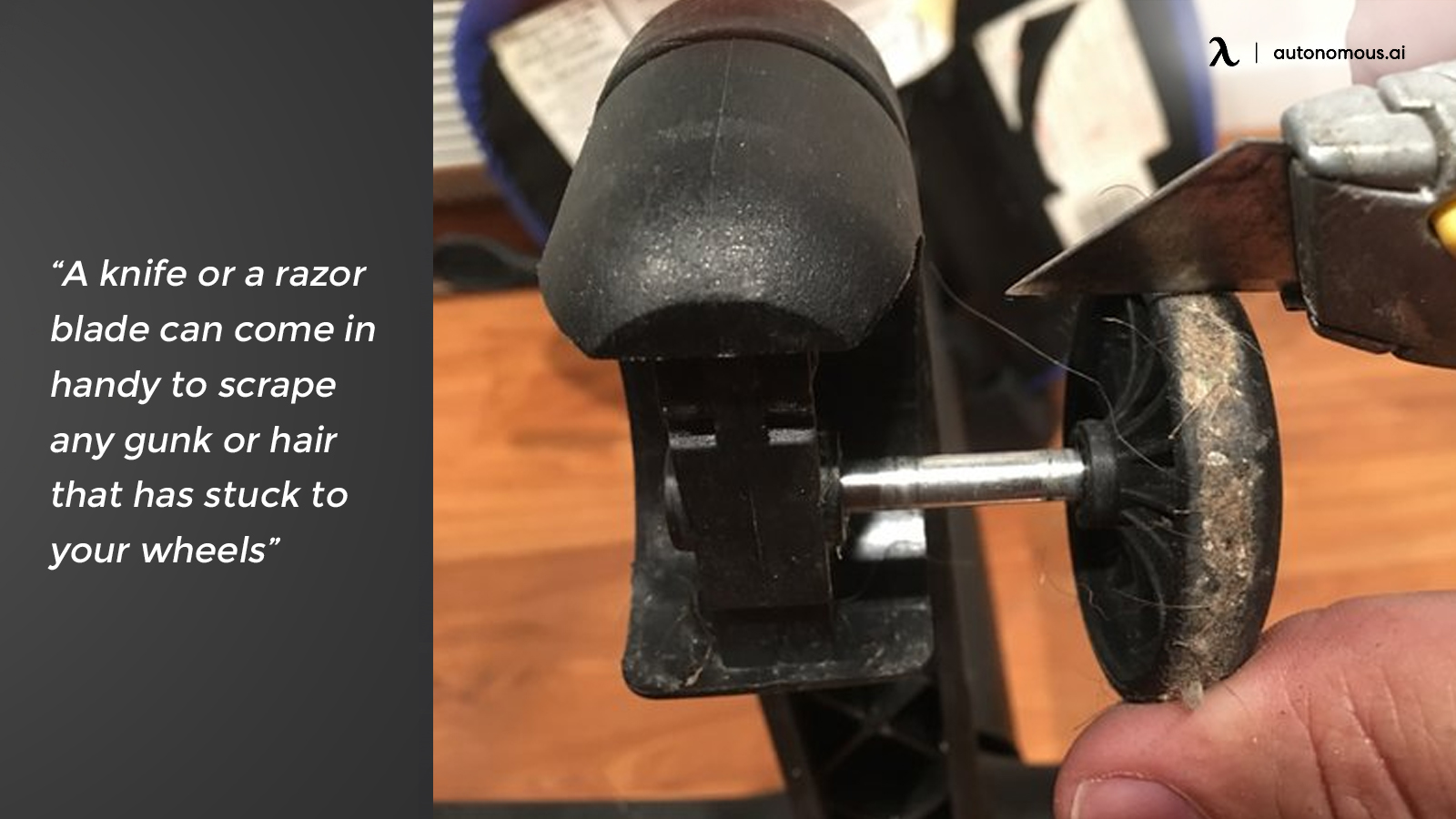
Once the wheel is off, use needle-nose pliers or tweezers to grip and pull out tangled hair. Start from the ends and work inward to avoid breaking strands. Be patient—long hair wraps multiple times around the axle. A zip-top bag helps contain the mess and makes cleanup easier.
Cut Stubborn Hair with a Utility Knife
If hair is tightly wound and won’t pull free, use a razor knife or exacto knife to slice through it. Hold the blade at an angle and carefully cut along the axle. Keep fingers clear—sharp tools can slip. After cutting, remove the loosened strands with pliers.
Disassemble Wheels for Deep Cleaning
Pry Open the Wheel Housing Carefully
For a complete clean, open the wheel casing. Secure the wheel in a vise using soft jaws or wrap it in a cloth to prevent cracking. Insert a flathead screwdriver into the seam between the outer wheel and inner axle housing. Gently rock the screwdriver to separate the two halves. Work slowly—plastic parts can snap under pressure.
Clean Internal Components with Alcohol
Once open, inspect the internal bearing and axle sleeve. Use cotton swabs dipped in rubbing alcohol to clean tight spaces. Remove any remaining lint or oily residue. Avoid soaking plastic parts—excess moisture can damage internal bearings.
Clean Office Chair Wheels Without Removing Them
Quick Clean for Light Buildup
Can’t remove the wheels? Clean them in place. Use tweezers or pliers to pull out visible hair from the sides. For tightly wrapped strands, cut them with a utility knife. Wipe the wheels with a microfiber cloth dampened with rubbing alcohol to dissolve dust and grease. Finish with a blast of compressed air to blow out hidden debris from the axle gap.
Soak and Scrub Removable Wheels
Soak Wheels in Soapy Water
Mix warm water with a few drops of mild dish soap in a bowl. Submerge removable wheels for 5–10 minutes. This loosens grime and softens dried residue. Avoid soaking non-removable casters or leaving wheels too long—prolonged water exposure can weaken plastic.
Scrub with a Soft Toothbrush
After soaking, use a soft-bristled toothbrush to scrub grooves and edges. Focus on areas where dirt accumulates—especially near the axle hole. Use cotton swabs for narrow gaps. Rinse under clean water and dry thoroughly with a lint-free cloth.
Lubricate Wheels for Smooth Rolling

Apply 3-in-1 Oil Sparingly
Once clean and dry, add a single drop of 3-in-1 oil to the axle and inside the wheel housing. This reduces friction and prevents future sticking. Do not over-lubricate—excess oil attracts more dust and lint.
Reassemble the Wheel Properly
Slide the axle back into the wheel. The knurled ridge should stop it from going too far. To seat it fully:
- Use channel locks: Grip the wheel and gently press the axle in—offers control without damage.
- Use a rubber mallet: Place the wheel on a hard surface and tap the axle end lightly. Listen for a soft click—this means it’s locked in.
Reinstall and Test the Wheels
Slide Wheels Back Into the Base
Align each wheel with the leg socket and push firmly until it clicks. Tap gently with your palm if needed. Ensure all wheels are fully seated—uneven height causes wobbling.
Roll Test on the Floor
Turn the chair upright and roll it across your floor. It should glide smoothly with no dragging or noise. Spin each wheel by hand—freely rotating means success. If a wheel feels stiff, remove it, recheck for debris, and add another drop of oil.
Prevent Future Wheel Buildup
Clean Every 1–3 Months
Regular maintenance prevents major clogs.
• High-use offices: Clean every 1–2 months
• Standard use: Clean every 2–3 months
• Low use: Clean every 6–12 months
Set calendar reminders to stay consistent.
Use a Floor Mat Under Your Chair
Place a smooth, low-pile mat under your chair. It reduces carpet fibers, dust, and pet hair pickup. Hard floor users benefit too—mats minimize dust accumulation and protect flooring.
Vacuum Under the Chair Weekly
Run a vacuum with a brush attachment under and around your chair weekly. This removes debris before it reaches the casters. Focus on corners where hair accumulates.
Replace Wheels Only When Necessary
Signs You Need New Casters
Consider replacement if:
• Wheels are cracked, warped, or wobbly
• Cleaning doesn’t restore smooth movement
• Axles are bent or corroded
Choose Compatible Replacement Casters
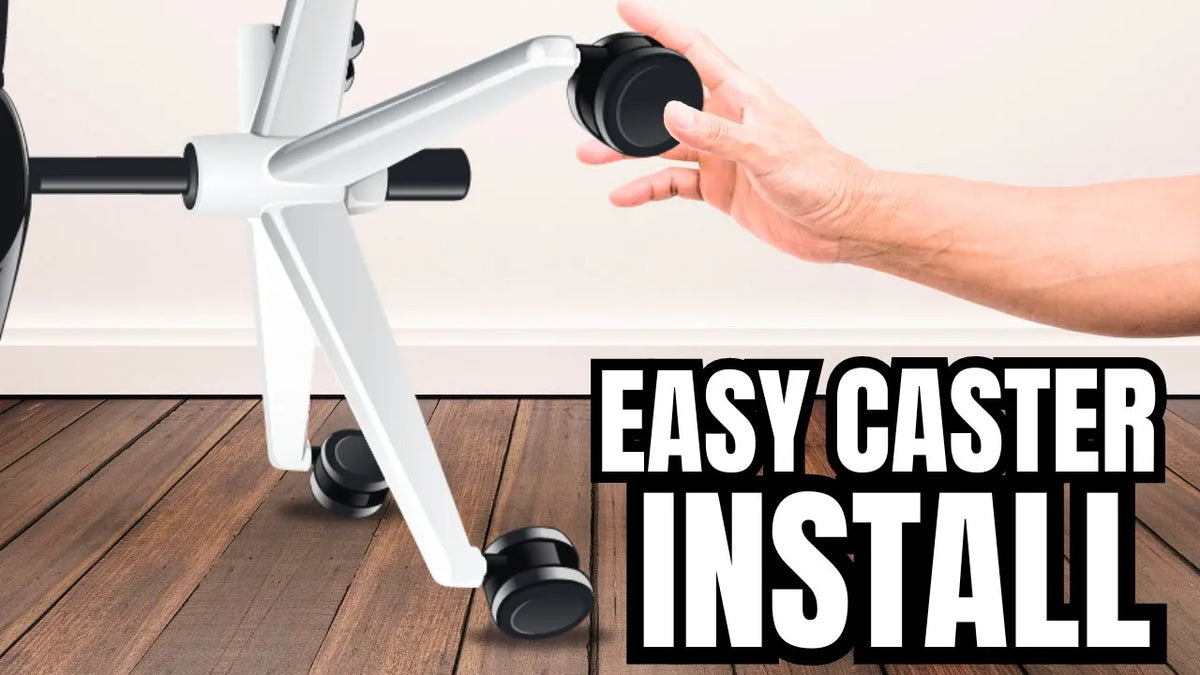
Replacement wheels must match your chair’s axle diameter and length. Measure the stem (usually 3/8” or 7/16”) before buying. Search for “universal office chair casters” or check the manufacturer’s site. Look for hair-resistant models with sealed bearings—they resist lint and last longer.
Avoid Common Cleaning Mistakes
Don’t Use Harsh Chemicals
Bleach, acetone, or strong solvents can crack plastic wheels. Stick to mild dish soap, rubbing alcohol, or water-based cleaners.
Don’t Force Disassembly
Plastic breaks easily. If a wheel won’t budge, apply gentle pressure—never hammer or twist violently. Soak it in soapy water first to loosen grime.
Don’t Skip Drying
Wet wheels can rust axles or degrade internal components. Always dry thoroughly with a microfiber cloth and air-dry for 10–15 minutes before reattaching.
Choose the Right Cleaning Method for Your Chair
| Method | Best For | Time Required | Tools Needed |
|---|---|---|---|
| In-Place Cleaning | Light dust/hair | 5–10 min | Tweezers, knife, alcohol, compressed air |
| Soak & Scrub | Removable wheels | 15–20 min | Soap, water, toothbrush, cloth |
| Full Disassembly | Severe buildup | 20–30 min | Screwdrivers, vise, pliers, oil |
Pick the method that matches your wheel type and dirt level.
Frequently Asked Questions About Cleaning Office Chair Wheels
Why won’t my office chair roll smoothly?
Your chair likely has hair, dust, or carpet fibers wrapped around the wheel axles. This buildup jams the casters and reduces mobility. Cleaning the wheels—especially the axle area—usually restores smooth movement.
Can I clean office chair wheels without removing them?
Yes. Use tweezers or pliers to pull out visible hair. Cut stubborn strands with a utility knife. Wipe wheels with rubbing alcohol and use compressed air to blow out hidden debris.
What is the best way to remove hair from chair casters?
Use needle-nose pliers or tweezers to pull out hair. For tightly wound strands, carefully cut them with a razor knife. Soaking removable wheels in soapy water helps loosen stubborn buildup.
Should I lubricate office chair wheels after cleaning?
Yes. Apply a single drop of 3-in-1 oil to the axle and inside the housing. This reduces friction and prevents future sticking. Avoid over-lubricating, as excess oil attracts more dirt.
How often should I clean my office chair wheels?
Clean every 1–3 months depending on use. High-traffic areas need cleaning every 1–2 months. Light-use offices can wait 6–12 months. Regular vacuuming under the chair reduces buildup.
Can I replace office chair wheels with different ones?
Yes, if the replacement matches your chair’s axle size (typically 3/8” or 7/16”). Look for universal or hair-resistant casters with sealed bearings for longer life and easier maintenance.
Key Takeaways for Keeping Office Chair Wheels Clean
• Clean every 1–3 months to prevent clogs and maintain smooth movement
• Use tweezers, pliers, or a knife to remove hair and debris from axles
• Soak and scrub removable wheels with soapy water and a toothbrush
• Lubricate with one drop of 3-in-1 oil after cleaning
• Prevent buildup with floor mats and weekly vacuuming
Start with a quick clean and upgrade to full disassembly if needed. With regular care, your office chair will roll smoothly for years. Take action today—your comfort and floors depend on it.