Spending hours each day in a fabric office chair means it absorbs sweat, spills, dust, and body oils faster than you might realize. Over time, this leads to dullness, odors, and even allergen buildup. Knowing how to clean a fabric office chair properly is essential for maintaining a fresh, professional workspace. This guide walks you through a complete cleaning process using safe, effective methods that won’t damage your chair’s material. From identifying fabric codes to deep cleaning and odor removal, you’ll learn how to restore your chair’s appearance and extend its life—all with household supplies or common cleaners.
You’ll discover how to spot-clean stains, deodorize with baking soda, deep clean without over-wetting, and protect your chair for long-term use. Whether you’re dealing with coffee spills, pet hair, or lingering smells, these steps work for most fabric office chairs and take less than an hour.
Identify Your Fabric Type Using the Care Label
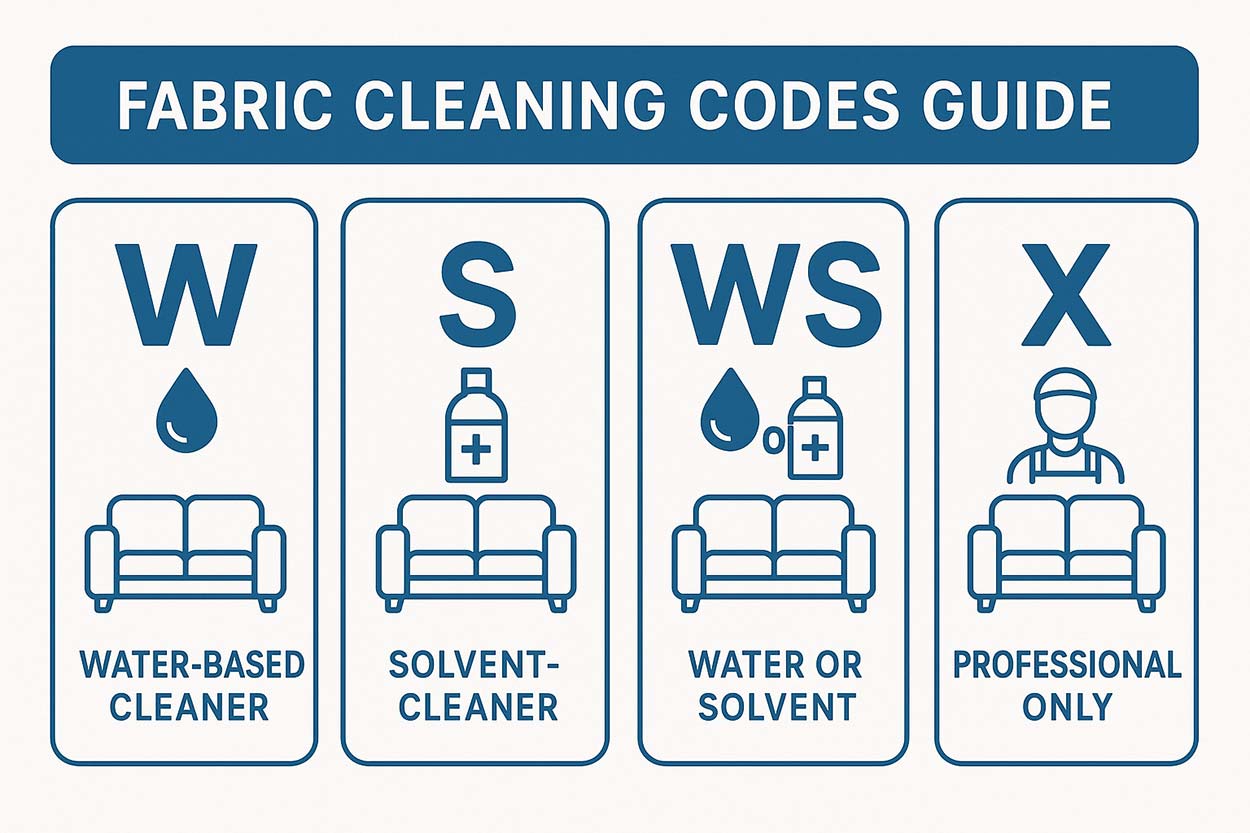
Before applying any liquid or cleaner, check your chair’s care label to avoid irreversible damage. It’s usually located under the seat or on the base and uses a code system to guide safe cleaning.
Understand the Fabric Cleaning Codes
- W: Water-based cleaners are safe—use mild soap and water
- S: Solvent-only—avoid water completely
- W/S: Both water and solvent methods are acceptable
- X: Vacuum only—no liquids or solvents allowed
If your chair lacks a label, assume it’s delicate. Always test any cleaning solution on a hidden area first and wait 10 minutes to check for discoloration or texture changes.
Gather the Right Cleaning Supplies

Using the correct tools ensures effective cleaning without damaging the fabric or frame.
Must-Have Cleaning Tools
• Vacuum with upholstery attachment
• Microfiber cloths (lint-free and absorbent)
• Soft-bristled brush or sponge
• Mild dish soap (e.g., Dawn)
• White vinegar
• Baking soda
• Spray bottle
• Warm water
• Dry towels
Optional but Useful Add-Ons
• Foam upholstery cleaner (like Woolite)
• Non-toxic spray cleaner (e.g., Simple Green)
• Fabric protector spray (e.g., Scotchgard)
Avoid bleach, ammonia, or abrasive scrubbers—they can fade or weaken fabric fibers.
Vacuum All Surfaces and Crevices
Start by removing loose dirt to prevent grinding grime into the fabric during wet cleaning.
Focus on High-Risk Areas
• Seat cushion—front to back, especially edges
• Backrest—pay attention to seams and folds
• Armrests—common spots for oils and sweat
• Under the seat and base—where crumbs and dust collect
Use the crevice tool to clean tight spaces. A full vacuum session takes 5–10 minutes but significantly improves cleaning results.
Pro Tip: Vacuum every 1–2 weeks to reduce the need for deep cleaning.
Spot Clean Stains Based on Type
Act fast on fresh spills. For older stains, targeted cleaning works best.
How to Remove Common Office Chair Stains
Ink or Grease Marks
• Mix equal parts white vinegar and water
• Dampen a microfiber cloth—do not soak
• Blot gently; never rub
• Wipe with a clean damp cloth to rinse
• Blot dry with a towel
Food or Drink Spills
• Mix 1 tsp mild dish soap with 2 cups warm water
• Apply with a cloth or spray lightly
• Use a soft brush in circular motions
• Wipe with a clean damp cloth
• Blot dry immediately
Sweat or Body Odor Stains
• Use a 1:2 vinegar-to-water solution
• Blot affected area
• Follow with a baking soda treatment
Always test cleaning solutions on a hidden spot first.
Eliminate Odors with Baking Soda

Fabric chairs trap smells from sweat, food, and pets. Baking soda neutralizes odors naturally.
Apply and Remove Baking Soda Correctly
• Sprinkle a thin, even layer over the seat and backrest
• Focus on high-contact areas
• Let sit for at least 30 minutes
• For strong odors, leave overnight
• Vacuum thoroughly to remove all residue
Why it works: Baking soda pulls out trapped moisture and odor molecules without adding moisture to the fabric.
Deep Clean Using the Right Method
Choose your cleaning method based on the care label and level of soiling.
Method 1: Dish Soap Solution (For W or W/S Fabrics)
- Mix 1 tbsp dish soap with 2 cups warm water
- Dampen a microfiber cloth—wring well so it’s barely moist
- Wipe fabric in small sections using circular motions
- Use a second clean, damp cloth to remove soap residue
- Blot dry with a towel
Best for: Light to moderate dirt
Time needed: 20–30 minutes
Method 2: Foam Upholstery Cleaner
- Shake the can and apply foam to a cloth (not directly on chair)
- Work into fabric in 12×12 inch sections
- Let sit 5–10 minutes (follow product instructions)
- Wipe with a damp cloth
- Blot dry
Advantage: Minimal moisture reduces mold risk.
Method 3: Spray Cleaner (e.g., Simple Green)
- Spray lightly on stained areas
- Wait 3–5 minutes for grime breakdown
- Wipe with a soft cloth or sponge
- Rinse with a damp cloth
- Blot dry
Available in Australia at Bunnings and in New Zealand via Simple Green stockists.
Air Dry Completely Before Sitting
Trapped moisture can lead to mold, mildew, or frame damage.
Speed Up Drying Safely
• Blot excess moisture with dry microfiber towels
• Use fans or open windows for airflow
• Place near a dehumidifier if possible
• Avoid direct sunlight—it fades fabric
• Never use a hairdryer or heater—can warp materials
Drying time: 4–12 hours, depending on humidity.
Test dryness: Press your palm on the seat for 30 seconds. If it feels cool, wait longer.
Restore Fabric Texture After Drying
Damp cleaning can leave fabric looking flat or matted.
Fluff and Refresh the Material
• Use fingers or a soft brush to lift fibers
• Brush in one direction for a uniform look
• Lightly steam with a garment steamer (if fabric allows)
This step restores the chair’s plush feel and improves breathability.
Apply Fabric Protector for Long-Term Defense

A protective spray helps repel future spills and stains.
How to Use Fabric Shield
• Spray evenly from 6–8 inches away
• Cover all fabric areas, especially seat and arms
• Let dry 1–2 hours before use
Benefits: Liquids bead up instead of soaking in, making spot cleaning easier.
Reapply: Every 6 months or after deep cleaning.
Stick to a Simple Maintenance Schedule
Regular care prevents deep-set stains and odors.
Recommended Cleaning Routine
| Task | Frequency |
|---|---|
| Vacuum fabric and crevices | Every 1–2 weeks |
| Spot clean spills | Immediately |
| Full deep clean | Every 3–6 months |
| Reapply fabric protector | Every 6 months |
Bonus Tip: Keep a microfiber cloth and small vinegar-water spray at your desk for quick cleanups.
Know When to Hire a Professional
Some chairs need expert care.
Call a Pro If:
• The label says “Dry Clean Only”
• There’s mold or heavy soiling
• Home methods failed to remove stains
• It’s a high-end model (e.g., Herman Miller, Steelcase)
Professionals use low-moisture extraction and fabric-safe detergents for safe, effective results.
Avoid These 5 Common Cleaning Mistakes
Even small errors can damage your chair.
What to Never Do
• ❌ Soak the fabric—leads to mold and frame damage
• ❌ Use bleach or ammonia—causes fading and fiber breakdown
• ❌ Scrub aggressively—spreads stains and frays fabric
• ❌ Skip the patch test—risks permanent discoloration
• ❌ Sit on a damp chair—delays drying and adds body oils
Stick to gentle, low-moisture techniques for best results.
Frequently Asked Questions About Cleaning Fabric Office Chairs
Can I use water to clean my fabric office chair?
Yes, but only if the care label has a W or W/S code. For S-coded fabrics, use only solvent-based cleaners. Always test first and avoid soaking the material.
How do I remove old stains from a fabric chair?
Mix mild dish soap with warm water and gently blot the area. For tough stains, try a vinegar-water solution or foam upholstery cleaner. Repeat if needed and always blot dry.
Is it safe to use baking soda on fabric chairs?
Yes. Baking soda is safe and effective for deodorizing. Sprinkle it evenly, let sit 30+ minutes, then vacuum thoroughly. It won’t damage fabric when used correctly.
Can I speed up drying with a hairdryer?
No. Avoid heat sources like hairdryers or heaters—they can shrink fabric or warp plastic parts. Use fans and airflow instead.
How often should I deep clean my office chair?
Every 3–6 months, depending on use. If you eat at your desk or have pets, clean every 3 months. Regular vacuuming extends time between deep cleans.
Can I use Simple Green on fabric office chairs?
Yes. Simple Green is a non-toxic spray cleaner safe for most W and W/S fabrics. Spray lightly, wipe with a cloth, rinse with damp cloth, and air dry. Available at Bunnings (Australia) and via Simple Green stockists (NZ).
Key Takeaways for Cleaning Your Fabric Office Chair
Knowing how to clean a fabric office chair properly keeps your workspace hygienic, odor-free, and professional. Always check the care label first, vacuum regularly, and use low-moisture cleaning methods. Spot clean spills immediately, deodorize with baking soda, and apply a fabric protector to prevent future stains. Avoid harsh chemicals and never rush drying—patience prevents mold and damage.
For best results, combine immediate spill response with a simple maintenance routine. If your chair is high-end or heavily soiled, consider professional cleaning. With these steps, your fabric office chair will stay fresh and comfortable for years.