
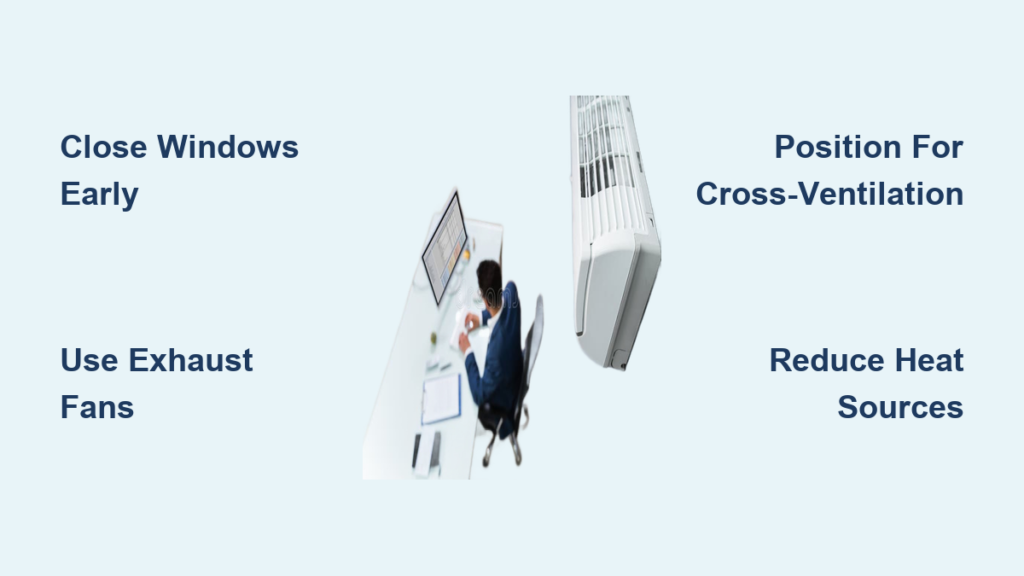
It’s 8 AM, your office is a comfortable 20°C, but by 3 PM, it climbs to 25°C—sticky, sluggish, and unproductive. You’re in a 10-person rectangular office with full-length windows on one side, two doors, and no AC. Outside, humidity is 90%, wind is barely 1 mph, and temperatures are forecasted to peak at 26°C. You’ve had the windows open since 8:30 AM, yet the room feels worse. Is opening windows helping—or making it worse?
The best way to cool an office isn’t just about open vs. closed windows. It’s about strategic airflow management, minimizing heat gain, and using fans effectively—especially in humid, temperate climates like the UK’s. With rising summer temperatures (2022 hit 40°C), even 26°C with high humidity can feel oppressive. The solution lies in data-driven decisions, not habits.
This guide reveals how to keep your office cool using low-cost, high-impact strategies—from when to open windows, how to position fans, and why humidity changes everything.
Monitor Indoor vs. Outdoor Temperatures
Use a Thermometer to Decide When to Open Windows
The most effective rule: only open windows when it’s cooler outside than inside. This simple principle prevents hot, humid air from flooding your space.
• Place an indoor-outdoor thermometer in your office and near a window.
• Check readings every 2–3 hours, especially between 9 AM and 4 PM.
• Open windows only when outdoor temp is 1–2°C lower than indoor.
• Close windows by midday (around 11 AM–12 PM) before outdoor heat peaks.
In your case, with outside temps rising to 26°C and humidity at 90%, opening windows after 10 AM likely introduces hotter, moisture-laden air that makes cooling harder. Closing them early traps cooler morning air and slows heat buildup.
Why This Works
Buildings absorb heat from sunlight, equipment, and people. Once outside air gets warmer, ventilation adds heat instead of removing it. By closing windows early, you delay thermal gain and maintain a lag between outdoor peaks and indoor discomfort.
Create Cross-Ventilation with Fan Placement
Use Window Fans for Exhaust, Not Intake
Opening windows without airflow is ineffective. The key is mechanical ventilation—using fans to move air intentionally.
• Place a fan in a downwind window to exhaust hot air.
• Open an opposite window or door slightly to allow cooler air entry.
• This creates cross-breeze flow from one end of the office to the other.
Avoid placing fans to blow air inward—this adds motor heat and only cools those directly in the airflow. Exhaust fans remove stale, hot air and pull in fresher air naturally.
Optimize Fan Positioning
• Use a box fan or window fan (not a desk fan) for maximum airflow.
• Position it facing outward on the warmer or more shaded side of the building.
• Open a door or window on the cooler side to complete the airflow path.
• Run fans only when outdoor air is cooler or during early morning/late evening.
This method mimics natural convection but accelerates it—removing heat 3–5x faster than open windows alone.
Break the Skin’s Air Layer for Personal Cooling

Use Desk Fans to Enhance Evaporative Cooling
Even with room cooling, personal comfort matters. A desk fan doesn’t lower air temperature—but it cools your body by breaking the thin layer of warm, humid air around your skin.
• Position a small fan at desk level, aimed at your torso or neck.
• Use oscillating fans to cover multiple workstations.
• Combine with hydration and breathable clothing for maximum effect.
In 90% humidity, sweat doesn’t evaporate easily—so airflow is critical. A fan increases evaporative cooling, making 25°C feel like 22°C.
Pro Tip: Combine Fans with Damp Surfaces
For extra relief:
• Place a damp towel near a fan (not in it).
• Use a mist fan if allowed (check office policies).
• These boost cooling through evaporative effect, even in humid conditions.
Minimize Internal Heat Sources

Reduce Heat from Equipment and Lighting
Your office generates heat even without sunlight. Ten people, computers, monitors, and lights can raise indoor temps by 2–4°C over 6 hours.
• Turn off unused monitors, printers, and lights.
• Switch to LED lighting (emits 75% less heat than incandescent).
• Encourage laptops over desktops (lower heat output).
• Schedule heavy computing tasks for cooler hours.
A single desktop PC can emit 80–150 watts of heat—equivalent to a small space heater. Multiply that by 10 workstations, and you’re adding 1 kW of heat—enough to warm a room significantly.
Avoid Humidity Traps
Don’t Flood the Office with Moist Air
At 90% humidity, opening windows introduces moist, heavy air that feels hotter and resists cooling. Moist air also reduces sweat evaporation—your body’s main cooling mechanism.
• Close windows during high humidity, especially midday.
• Avoid drying clothes or boiling kettles in the office.
• Use exhaust fans in kitchens or restrooms to remove moisture.
Even if outside air is slightly cooler, high humidity can negate the benefit. Prioritize dryer air over marginally cooler, wet air.
Consider a Window Air Conditioner
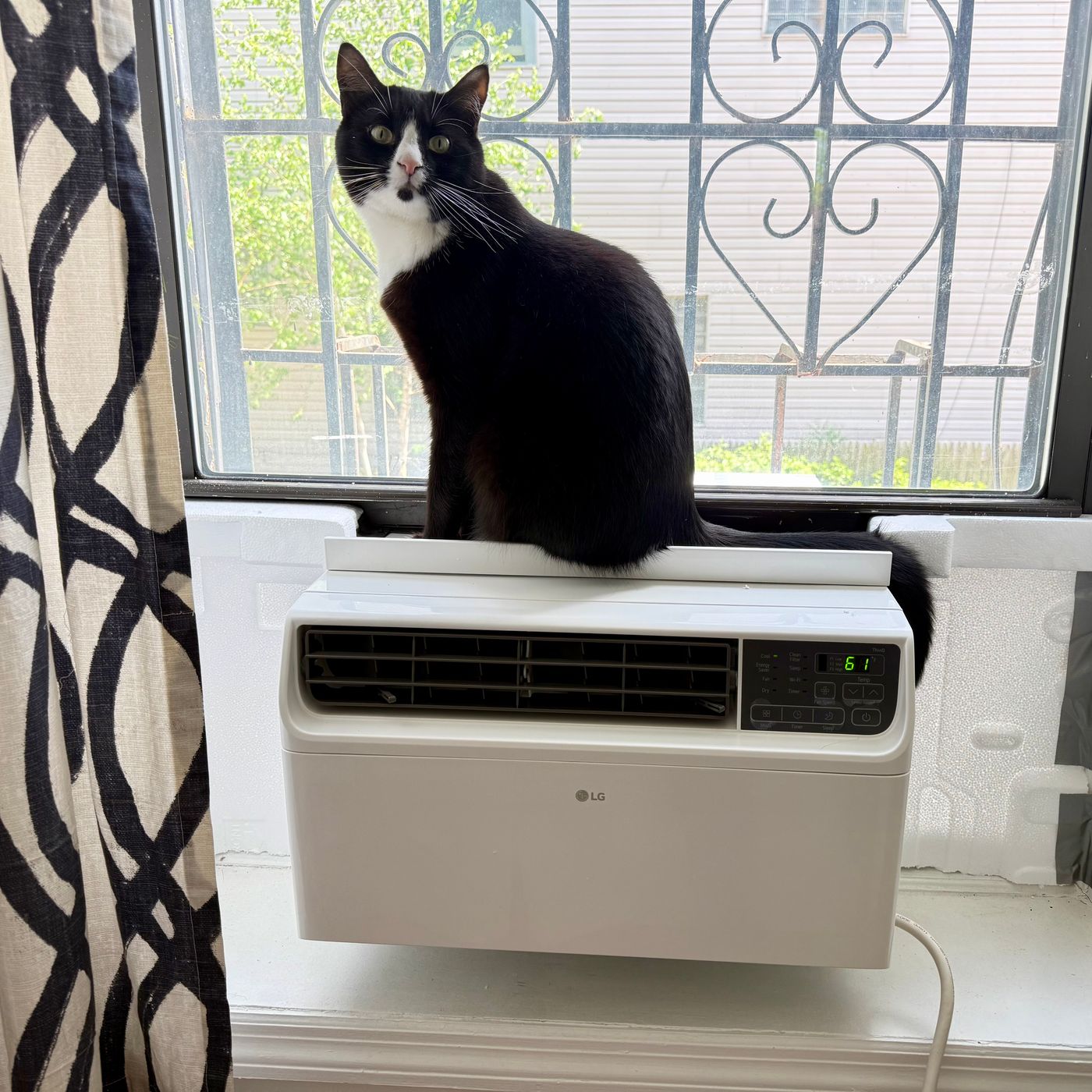
Install a Small AC Unit for Critical Days
If temperatures regularly exceed 25°C, a window air conditioner may be worth the investment.
• Choose a 1.5kW to 2kW unit for a 10-person office (~30–40 m²).
• Ensure the electrical circuit can handle the load (check with facilities).
• Use only during peak heat (e.g., 12 PM–4 PM) to save energy.
Even a small AC can lower temps by 4–6°C and dehumidify the air, making 26°C outside feel manageable indoors.
Cost vs. Benefit
• Portable coolers are less efficient and add humidity (unless vented).
• Split systems are quieter and more efficient but cost more.
• Window units offer the best balance for small offices.
Use Doors to Control Airflow
Leverage Interior Doors for Air Channeling
Your office has two doors—use them to guide airflow.
• Keep one door slightly open to allow air entry.
• Keep the other closed to prevent short-circuiting the airflow.
• If using exhaust fans, open the downstream door to improve pull.
This helps create a consistent breeze across workstations, especially in windowless areas.
Adapt to Rising UK Summer Temperatures
Prepare for 25°C+ as the New Normal
The UK’s climate is changing. What was once “warm” (23°C) now feels uncomfortable due to humidity and lack of acclimatization. The 2022 record of 40°C in Lincolnshire shows extreme heat is no longer rare.
• Treat 23°C as the comfort threshold—not 25°C.
• Plan cooling strategies before heat arrives.
• Train staff on heat-aware ventilation.
Offices designed for cooler weather now struggle with passive heat gain—even without direct sun.
Summary: Best Cooling Actions by Time of Day
| Time | Action |
|---|---|
| 6–9 AM | Open windows and run exhaust fans if outside is cooler. |
| 9–11 AM | Monitor temps; begin closing windows as outdoor temp rises. |
| 11 AM–4 PM | Keep windows closed; use desk fans; minimize heat sources. |
| 4 PM–7 PM | Reopen windows if outside cools; run cross-ventilation fans. |
| After 7 PM | Ventilate fully to flush out daytime heat. |
This schedule maximizes free cooling while avoiding heat and humidity traps.
Frequently Asked Questions About Cooling an Office
When should I open office windows to cool the room?
Open windows only when outdoor air is cooler than indoor—typically early morning or late evening. Once outside temperature rises above 23°C, close windows to prevent heat and humidity from entering.
Can fans actually cool a room?
Fans don’t lower air temperature, but they cool people by increasing airflow over the skin, enhancing sweat evaporation. Use exhaust fans to remove hot air and create cross-ventilation for real cooling.
Why does 26°C feel so hot at 90% humidity?
High humidity reduces your body’s ability to cool itself through sweat evaporation. At 90%, air feels heavier and stickier, making 26°C feel like 30°C or more. Dehumidifying or using airflow is essential.
Should I leave windows open all day?
No. Leaving windows open all day, especially during peak heat and humidity, brings in hot, moist air that makes the office feel worse. Close them by midday and rely on fans and heat management instead.
How much heat do office computers generate?
A single desktop computer emits 80–150 watts of heat—similar to a bright incandescent bulb. Ten desktops can add up to 1 kW of heat, significantly raising indoor temperatures over time.
Is a window air conditioner worth it for a small office?
Yes, if temperatures regularly exceed 25°C. A 1.5–2kW window unit can lower indoor temps by 4–6°C and reduce humidity. It’s more efficient and effective than portable coolers.
Key Takeaways for Keeping Your Office Cool
The best way to cool an office combines timing, airflow, and heat control. Close windows before outdoor temperatures peak, use exhaust fans to create cross-ventilation, and reduce internal heat from equipment. In high humidity, dry, cooler air beats open windows every time.
Prioritize monitoring indoor and outdoor temperatures, and train your team to act early. With smarter ventilation and fan use, you can maintain comfort without AC—even as UK summers get hotter. Start tomorrow morning: check your thermometer, position a fan to exhaust, and close up by 11 AM.



