Your team is expanding fast, and your office needs to keep pace. Signing a long-term lease for fixed space no longer makes sense when headcount changes every quarter. For growing companies, flexible office space is more than convenience—it’s a strategic tool to scale efficiently. The right workspace gives you room to grow, adapt quickly, and maintain professionalism—without overcommitting financially or operationally.
This guide shows you how to pick a flexible office that truly supports growth. You’ll learn to evaluate options by lease flexibility, privacy needs, multi-location access, and what’s included in the price. Avoid common mistakes, spot misleading “flexible” contracts, and choose a space that evolves with your team—so you stay agile, focused, and ready for what’s next.
Match Lease Terms to Your Growth Timeline

Your hiring plan is fluid, so your office lease should be too. Long-term commitments create risk when growth is uncertain. True flexibility means adapting your space as fast as your team changes—without penalties or delays.
Choose Month-to-Month or Short-Term Renewables
Start by asking: What’s the shortest lease available?
If the shortest term is six or twelve months, it’s not flexible—it’s just a smaller traditional lease. For fast-moving teams, month-to-month or 3-month renewable agreements are ideal. They let you adjust based on hiring, funding, or market shifts.
✅ Best case: Renew every 30 days with no penalty
❌ Red flag: “Flexible” plans requiring 1-year minimums
Scale Space Without Breaking Contract
Growth isn’t predictable. One month you add three people; the next, you pause hiring. Your office should allow both.
Look for providers that let you:
• Add desks or upgrade to a private office instantly
• Downsize without early termination fees
• Switch from coworking to enclosed suites mid-contract
Ask: Can I change my space type without re-signing?
If not, you’re not getting real flexibility.
Grow in Place Without Relocation Hassles
The best providers let you scale within the same building. Move from a 4-person office to an 8-person suite—same address, same team culture, no disruption.
Pro Tip: Choose a brand with multiple space types (desks → offices → suites) so you can grow without moving.
Prioritize Real Privacy for Productivity and Trust
Open coworking areas work for freelancers—but not for teams handling client calls, product strategy, or sensitive data. If your team needs to focus or host visitors, enclosed, soundproof space is essential.
Avoid Fake “Quiet Zones”
Many spaces advertise “quiet areas,” but these are often just open desks near a wall. Noise still travels. Clients overhear. Teams lose focus.
Instead, demand:
• Lockable private offices with solid walls and doors
• Soundproof phone booths or huddle rooms
• Bookable meeting rooms for client sessions
• Key fob or app access to restrict entry
Visual cue: Check the floor plan. Are offices fully enclosed—or just glass partitions?
Protect Client Confidence and Compliance
If you handle contracts, financials, or personal data, privacy is non-negotiable. A shared table risks accidental exposure. A private office ensures:
• Confidential calls stay private
• Documents aren’t left in public areas
• Client visits feel professional, not improvised
Real impact: A client is more likely to sign with you when greeted at a reception desk and led to a quiet, private room.
Balance Privacy With Community Access
You don’t want isolation—you want controlled access to collaboration and culture. The best setups offer:
• A private office for focused work
• Shared lounges, kitchens, and event spaces
• Optional networking events for team building
This hybrid model supports both deep work and team connection.
Pick Locations That Support Geographic Expansion
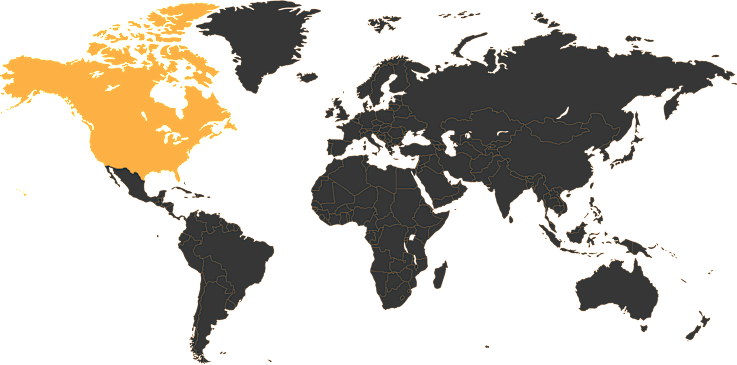
Your team may be growing beyond one city. Whether adding remote hires or testing new markets, multi-location access lets you expand fast—without long leases or construction.
Choose a Network, Not Just One Office
Ask: Will we need space in other cities?
If yes, pick a provider with multiple locations nationwide. This lets your team:
• Work from any site in the network
• Onboard remote employees with a professional workspace day one
• Test new markets without signing a lease
Example: Launch a satellite office in Denver in 48 hours—no build-out, no 3-year commitment.
Launch Satellite Offices in Days, Not Weeks
How fast can you set up in a new city? The best flexible spaces let you:
• Sign up online
• Book a private office in under 48 hours
• Get a local business address and mail handling immediately
Compare that to traditional leasing: 6–8 weeks for negotiation, build-out, and move-in.
Ensure Consistent Quality Across Locations
A network is only as strong as its weakest site. Verify:
• Same Wi-Fi speed, meeting room quality, and reception service
• Professional design and cleanliness at every location
• One login, one billing, seamless access
Pro Tip: Visit a second location before signing—test the experience yourself.
Know What’s Included—And What’s Not

The advertised price per desk is just the start. Hidden fees can double your real cost. A true all-inclusive plan bundles everything your team needs—so you’re not managing separate vendors.
Demand These Bundled Inclusions
| Included Item | Why It Matters |
|---|---|
| Furnished private office | No upfront cost for furniture |
| Business-grade Wi-Fi | No dropped calls or slow uploads |
| On-demand meeting rooms | Host clients without advance booking |
| Staffed reception | Answer calls, greet guests, accept packages |
| Printing & mail handling | No need for supplies or postage |
| Utilities & cleaning | No surprise bills for power or janitorial |
| Local business address | Boost credibility and receive deliveries |
Red flag: Extra charges for meeting rooms, printing, or reception support.
Calculate Your True Monthly Cost
Don’t just compare per-desk rates. Add what you’d pay separately:
• Internet: $100–$200/month
• Furniture: $500–$1,000+ upfront
• Virtual receptionist: $200–$500/month
• Meeting room rentals: $50–$100/hour
• Utilities & cleaning: $100–$300/month
A $600/month desk with all inclusions beats a $400 desk with hidden costs.
Use This 4-Point Comparison Framework

Score each provider on these four criteria. The highest score wins for growing teams.
1. Terms: Can You Adapt Without Penalty?
| Question | Yes = 1 Point |
|---|---|
| Is month-to-month leasing available? | ✅ |
| Can you scale up or down mid-term? | ✅ |
| Can you change space type (e.g., desk → office)? | ✅ |
Max: 3 points
2. Privacy: Does It Support Real Work?
| Question | Yes = 1 Point |
|---|---|
| Offers lockable private offices? | ✅ |
| Has soundproof phone booths or huddle rooms? | ✅ |
| Provides secure, professional client meeting spaces? | ✅ |
Max: 3 points
3. Access: Does It Go Where Your Team Goes?
| Question | Yes = 1 Point |
|---|---|
| Has locations in multiple cities? | ✅ |
| Allows easy access to satellite offices? | ✅ |
| Offers consistent experience across locations? | ✅ |
Max: 3 points
4. Inclusions: Is It Truly All-In?
| Question | Yes = 1 Point |
|---|---|
| Bundles Wi-Fi, furniture, utilities, and cleaning? | ✅ |
| Includes reception and mail handling? | ✅ |
| Offers meeting rooms without hourly fees? | ✅ |
Max: 3 points
12/12: Ideal for fast-growing teams
9–11: Strong contender
Below 8: Likely to create friction as you scale
Avoid These 3 Common Mistakes
Even savvy teams make missteps. Here’s how to avoid them.
Mistake #1: Choosing Price Over Flexibility
A $399/month desk seems cheaper than $599—but if it locks you into 12 months or lacks privacy, you’ll pay more in relocation costs and lost productivity.
Fix: Prioritize total value, not just monthly rate.
Mistake #2: Assuming “Private Office” Means Quiet
Some “private” offices are just glass pods with thin walls. Test the acoustics. Close the door and make a call. If you hear the hallway, it’s not private.
Fix: Visit in person and test noise during peak hours.
Mistake #3: Overlooking Client Experience
Your office is your brand. A messy shared table hurts credibility. A clean private office with a professional receptionist builds trust.
Fix: Host a client meeting at the space before signing.
Final Checklist Before You Sign
Before committing, confirm:
• ✅ Lease term is month-to-month or short-term renewable
• ✅ Private office is fully enclosed, lockable, and sound-dampened
• ✅ Meeting rooms are included or low-cost
• ✅ Receptionist answers calls with your company name
• ✅ Network access includes cities where you plan to grow
• ✅ No hidden fees for printing, Wi-Fi, or utilities
• ✅ Move-in ready—furniture, internet, and security already set up
Key Takeaways for Choosing Flexible Office Space
The right flexible office space for a growing team removes friction from scaling. It gives you:
• Lease agility to match uncertain hiring timelines
• Privacy to focus, collaborate, and protect client trust
• Location access to expand without overhead
• All-in pricing to stay lean and predictable
When comparing options, don’t just look at the desk—look at the freedom it gives you to adapt, grow, and lead with confidence.
Ready to find a space that grows with you? Book a tour at a Venture X location near you—and see how a truly flexible office can support your next phase.
Frequently Asked Questions About Flexible Office Space
Can I get a private office with a month-to-month lease?
Yes. Many flexible office providers offer lockable private offices on month-to-month or 3-month renewable terms. These are ideal for growing teams that need space to scale without long-term commitments.
How do flexible offices help with remote team expansion?
Flexible office networks let remote employees work from professional spaces in any city. You can onboard them with a local business address, mail handling, and meeting rooms—no lease or build-out required.
What’s the difference between a coworking desk and a private office?
A coworking desk is an open seat in a shared area, best for solo workers. A private office is a lockable, enclosed room—ideal for teams needing focus, privacy, and space for client meetings.
Are meeting rooms included in flexible office plans?
It depends. Some providers include access to meeting rooms at no extra cost. Others charge hourly fees. Always confirm if meeting rooms are bundled or billed separately.
Can I use one membership across multiple cities?
Yes, if the provider has a multi-location network. Members can access any site in the system with one membership, making it easy to work remotely or expand into new markets.
What should I look for in a flexible office for client meetings?
Choose a space with professional reception, private meeting rooms, a quiet environment, and a credible business address. Host a test meeting to ensure the experience reflects your brand.