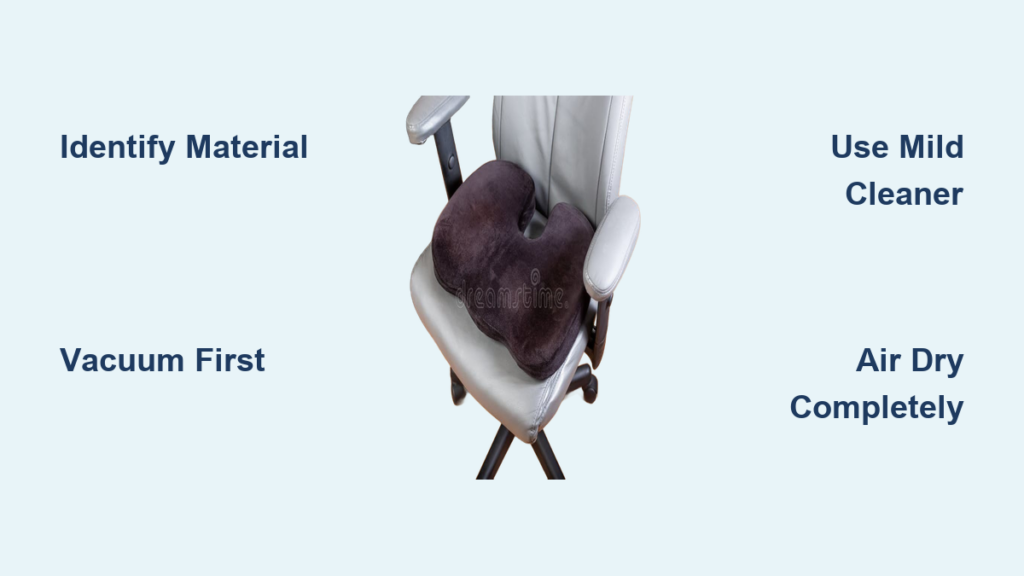
Is your office chair cushion stained, smelly, or covered in daily grime? Over time, constant use leads to built-up oils, spills, and dust—especially on high-contact surfaces. Knowing how to clean office chair cushion properly can restore comfort, eliminate odors, and extend your chair’s lifespan. Whether it’s fabric, leather, vinyl, or mesh, each material demands a specific cleaning method to avoid damage. This guide delivers step-by-step instructions for every cushion type, targeted stain removal, safe drying techniques, and easy maintenance—all using affordable, household-friendly supplies.
You’ll learn how to identify your cushion material, choose the right cleaner, treat tough stains, and prevent future wear—without needing professional help. Follow these proven methods to keep your workspace clean, healthy, and professional-looking.
Identify Your Chair Cushion Material First

Using the wrong cleaner can cause fading, cracking, or permanent damage. Always confirm the material before starting.
Check for Cleaning Codes on Labels
Look under the cushion or on the chair frame for a care tag with cleaning codes:
– W: Water-based cleaners are safe
– S: Use solvent-only cleaners
– WS: Both water and solvent types OK
– X: Vacuum or dry clean only—no liquids
If the cushion is removable, take it off to clean more thoroughly and speed up drying.
Know the Traits of Common Materials
- Fabric (polyester, cotton, blends): Absorbs spills; needs gentle cleaning to avoid shrinkage
- Leather (genuine or faux): Dries out easily; never use dish soap
- Vinyl: Durable but sensitive to harsh chemicals
- Mesh: Breathable but traps dust; must dry completely after cleaning
Never guess—always verify the material to avoid irreversible damage.
Gather the Right Cleaning Supplies
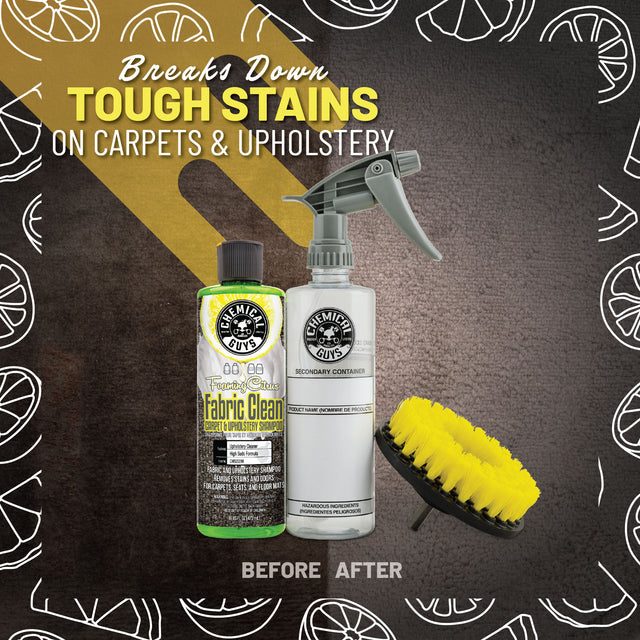
Using the correct tools ensures a safe, effective clean without harming your cushion.
Must-Have Basic Tools
- Mild dish soap (e.g., Dawn)
- Warm water
- Microfiber cloths (lint-free)
- Soft-bristled brush (an old toothbrush works)
- Spray bottle
- Vacuum with brush attachment
- Clean, dry towels
Special Add-Ons for Specific Issues
- Baking soda: Absorbs oil and neutralizes odors
- White vinegar: Natural disinfectant and deodorizer
- Cornstarch: Lifts grease stains
- Upholstery cleaner: For deep cleaning fabric
- Leather cleaner & conditioner: Keeps leather soft and crack-free
- Fabric protector spray: Adds stain resistance after cleaning
Avoid These Damaging Items
- Bleach
- Ammonia
- Steel wool or abrasive pads
- Harsh solvents (unless labeled safe)
- High-heat dryers or direct sunlight
Stick to gentle, tested products to protect your chair.
Vacuum the Cushion Before Wet Cleaning
Always start with dry cleaning to remove loose dirt and prevent it from being pushed deeper.
Use the Brush Attachment Properly
- Set vacuum to low suction
- Gently pass over the entire surface
- Focus on seams, edges, and crevices
- Flip or rotate the cushion if removable
For non-removable cushions, tilt the chair to reach underneath.
Why Vacuuming Is Crucial
Skipping this step can turn a light clean into a muddy mess. A quick 2–3 minute vacuum removes up to 80% of surface debris and prepares the cushion for spotless results.
Clean Fabric Cushions Without Damage
Fabric is common but easily ruined by over-wetting or harsh cleaners.
Mix a Safe Cleaning Solution
Combine:
– 1 drop of mild dish soap
– 10 oz warm water
Or use a commercial upholstery cleaner as directed.
Shake in a spray bottle—do not create suds.
Test the Cleaner on a Hidden Spot
Spray a small amount on an inconspicuous area. Wait 5 minutes. Check for:
– Color bleeding
– Texture changes
– Shrinkage
If no issues, proceed.
Wipe and Spot Clean Gently
- Dampen a microfiber cloth—never soak
- Clean in small sections using circular motions
- For stains, dab (don’t rub) with soapy cloth
- Use a soft brush for stubborn spots
Avoid soaking—wet foam loses support and grows mold.
Rinse to Remove Soap Residue
Wipe the area with a cloth dampened with plain water. Leftover soap attracts dirt and dulls fabric over time.
Air Dry Completely Before Use
- Blot with dry towels
- Place in a well-ventilated room
- Use fans or open windows
- Keep out of direct sunlight
- Allow at least 24 hours to dry
Never sit on a damp cushion—moisture breeds mold and weakens foam.
Clean Leather and Faux Leather Cushions Safely
Leather looks elegant but dries out easily. Faux leather (vinyl) is tougher but still needs care.
Wipe With a Damp Microfiber Cloth
Remove surface dust with a slightly damp cloth. Never pour water directly onto the cushion.
Apply Cleaner to the Cloth, Not the Cushion
Use a leather-safe cleaner:
– Put a small amount on the cloth
– Wipe gently in circular motions
– Cover the entire surface
Avoid dish soap—it strips natural oils and causes cracking.
Buff for Shine and Protection
After cleaning, use a dry microfiber cloth to buff the surface. This removes haze and restores luster.
Condition Genuine Leather Monthly
Apply leather conditioner:
– Use a pea-sized amount on a clean cloth
– Rub in lightly
– Let absorb 15–30 minutes
– Buff again
This prevents cracking and keeps leather supple.
Clean Mesh and Breathable Upholstery Fast
Mesh chairs are great for airflow but trap sweat and dust.
Vacuum Thoroughly First
Use the brush attachment to clean woven fibers. Focus on tension zones and junctions with the backrest.
Wipe With Mild Soapy Water
Use the same solution as for fabric: 1 drop soap per 10 oz water.
Dip a cloth, wring well, then wipe across the mesh in one direction.
Dry Immediately After Cleaning
- Blot with a dry towel
- Place in a ventilated area
- Allow 1–2 hours to dry
- Confirm no dampness remains before sitting
Wet mesh can develop odors quickly due to trapped moisture.
Remove Oil and Grease Stains in Minutes

Grease from hands, food, or lotions leaves shiny marks—especially on fabric.
Absorb First, Then Clean
- Sprinkle baking soda or cornstarch over the stain
- Let sit 15–30 minutes to draw out oil
- Brush off powder gently
- Apply 1–2 drops of dish soap to the stain
- Scrub lightly with a soft brush
- Wipe with a damp cloth
- Dry thoroughly
Repeat if needed. For deep stains, follow with an upholstery cleaner.
Eliminate Odors Naturally and Effectively
Sweat, food, or pets can leave lingering smells in your cushion.
Deodorize With Baking Soda
- Sprinkle a thin, even layer over the cushion
- Wait 15–30 minutes (or overnight for strong odors)
- Vacuum thoroughly with brush attachment
Baking soda neutralizes odor-causing molecules.
For Tough Smells: Use Vinegar Spray
Mix:
– Equal parts white vinegar and water
Mist lightly—do not soak.
Let air dry completely. The vinegar smell disappears once dry.
Clean Non-Removable Cushions Without Risk
You can’t take them off, so moisture control is critical.
Work in Small Sections
- Clean one area at a time
- Spray solution onto the cloth, not the cushion
- Blot immediately after wiping
This prevents foam saturation.
Prevent Mold and Mildew
Foam acts like a sponge. To avoid damage:
– Never soak
– Blot aggressively
– Use a fan or dehumidifier
– Wait 24 hours minimum before use
If the cushion still feels damp, extend drying time.
Prevent Future Stains and Wear
Simple habits keep your cushion fresh and reduce deep cleaning.
Use Protective Covers
- Slipcovers or throw blankets block spills and oils
- Choose machine-washable fabrics
- Ideal for home offices or shared spaces
Clean Spills Immediately
Blot (don’t rub) liquid spills with a dry cloth. Then:
– Dab with a damp cloth
– Blot dry
– Sprinkle baking soda if needed
Quick action prevents stains from setting.
Follow a Simple Maintenance Routine
- Weekly: Vacuum surface
- Monthly: Deodorize with baking soda
- Every 3–6 months: Deep clean based on use
- After cleaning: Apply fabric protector spray
Regular care keeps your chair looking new.
When to Call a Professional or Replace the Cushion
Some issues go beyond DIY fixes.
Signs You Need Professional Cleaning
- Deep-set stains that won’t lift
- Strong, persistent odors
- Cushion has been soaked or shows mold
- Material is peeling, cracking, or deteriorating
Professionals use safe extraction tools for tough jobs.
Consider Replacement If
- Foam is flattened, lumpy, or torn
- Fabric is frayed or stained beyond repair
- Cushion no longer supports posture
- Repair cost exceeds replacement value
Many chairs accept universal replacement cushions—easy to install.
Avoid These Common Cleaning Mistakes
Small errors can ruin your cushion.
Don’t Soak the Cushion
Excess water damages foam and causes mold. Always dampen cloths—not the cushion.
Never Use Bleach or Ammonia
These break down fibers and discolor fabric. Stick to mild, pH-balanced cleaners.
Skip the Hairdryer on High Heat
Heat warps vinyl, shrinks fabric, and cracks leather. If speeding drying, use a cool setting from 12 inches away.
Don’t Ignore Drying Time
Sitting too soon traps moisture. Wait until fully dry—no cool or soft spots.
Frequently Asked Questions About Cleaning Office Chair Cushions
Can I wash my office chair cushion in the washing machine?
Only if the care label says it’s machine-washable. Most are not—washing can shrink fabric or ruin foam. Always check the label first.
How often should I clean my office chair cushion?
Vacuum weekly. Deep clean every 3–6 months, or immediately after spills. Use baking soda monthly to prevent odors.
Why does my chair cushion smell after cleaning?
The smell is likely from trapped moisture. Ensure full 24-hour drying in a ventilated area. Use fans and avoid direct heat.
Can I use vinegar to clean leather office chair cushions?
No. Vinegar is acidic and can damage leather. Use only leather-safe cleaners and conditioners.
How do I dry a cushion quickly without damaging it?
Use fans, open windows, or a dehumidifier. You can use a hairdryer on cool setting from 12 inches away. Never use high heat.
What’s the best way to remove ink stains from fabric cushions?
Dab with rubbing alcohol on a cotton ball. Blot—don’t rub. Test first in a hidden area. Follow with a water rinse and dry completely.
Key Takeaways for Cleaning Your Office Chair Cushion
Cleaning your office chair cushion doesn’t require expensive tools or chemicals. With the right method for your material—fabric, leather, vinyl, or mesh—you can remove stains, kill odors, and refresh your workspace in under an hour (plus drying time). The key is using gentle cleaners, avoiding oversaturation, and allowing full air drying.
Always:
– Identify the material first
– Test cleaners before use
– Vacuum before wet cleaning
– Let cushions dry completely
By following these steps and maintaining a simple routine, you’ll keep your chair hygienic, comfortable, and professional for years.