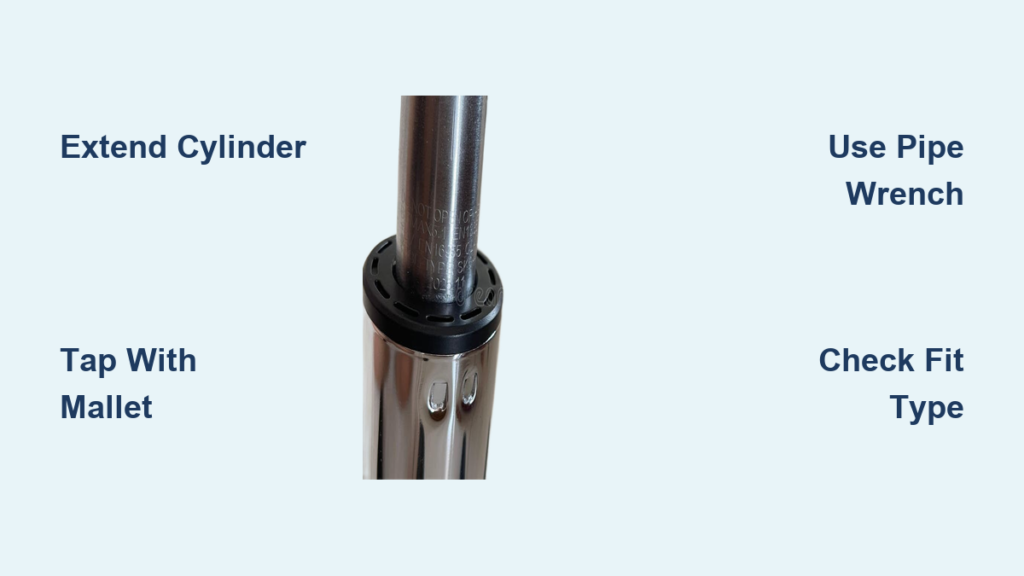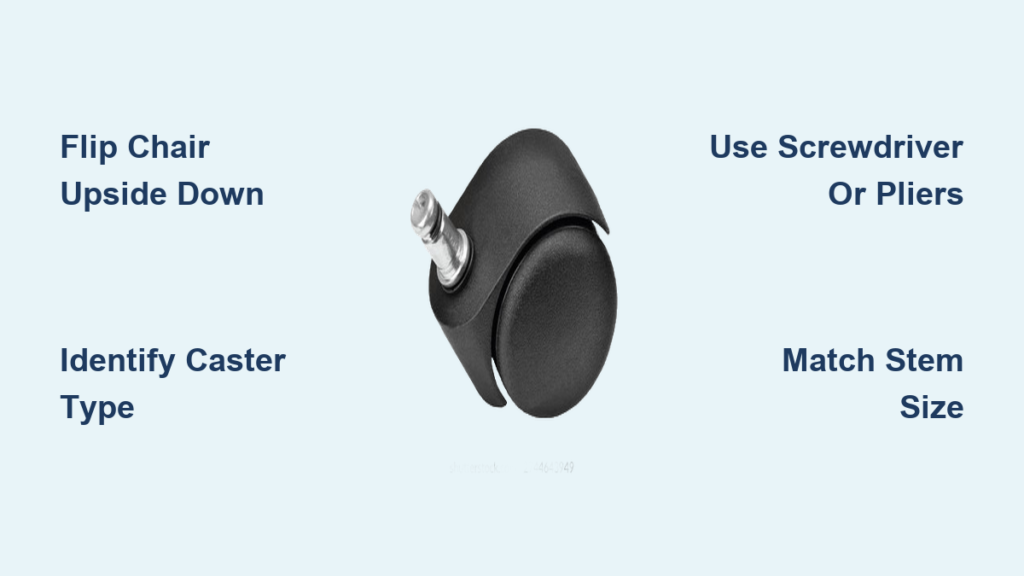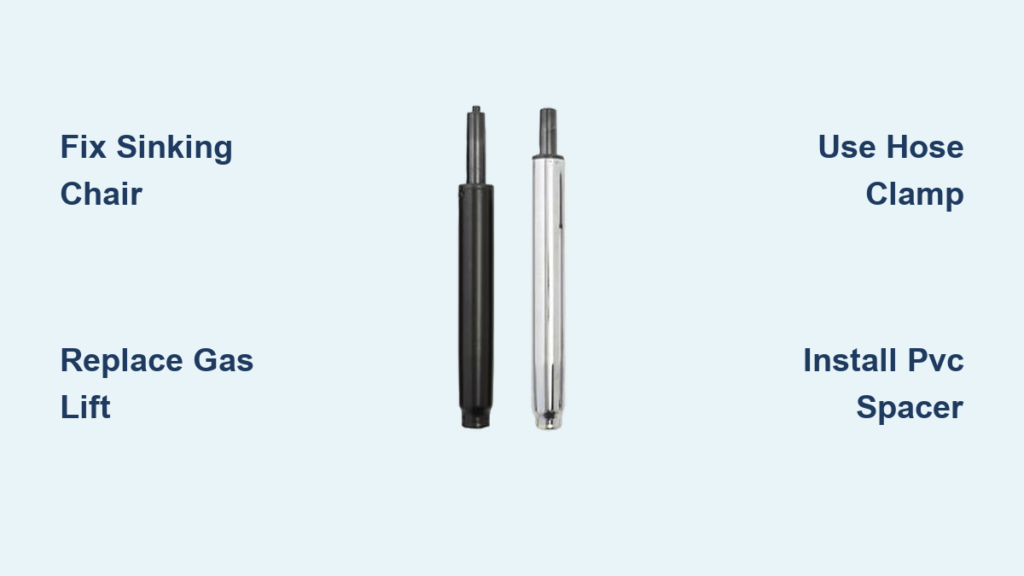
Is your office chair slowly sinking every time you sit down? You’re not alone. A chair that won’t stay up is one of the most common office furniture problems—and the culprit is almost always a failing gas lift cylinder. This pressurized tube is responsible for adjusting and holding your chair at the right height, but over time, internal seals wear out, gas leaks, or the mechanism fails. The good news? You can fix it quickly, often without spending much. Whether you need a temporary fix or a permanent solution, this guide covers every method—from DIY hacks to full cylinder replacement—so you can stop readjusting your seat and get back to work comfortably.
This guide walks you through diagnosing the exact issue, applying quick fixes, installing semi-permanent spacers, using commercial solutions like the Office Chair Hero, and replacing the gas cylinder for a full, lasting repair. You’ll also learn where to buy parts in Singapore and globally, how to prevent future issues, and when it’s time to replace the entire chair.
Diagnose the Problem First
Before grabbing tools, confirm the issue. A sinking chair isn’t always due to a bad cylinder—sometimes it’s loose hardware or debris. Start with a quick diagnosis.
What Causes an Office Chair to Sink?
- Worn or leaking gas lift cylinder: Most common cause; internal pressure drops over time.
- Failed piston seal: Allows air to escape, preventing the chair from locking in place.
- Loose base bolts: Can mimic sinking by allowing the cylinder to shift.
- Dirt or grime in the lift tube: Interferes with smooth operation and locking.
- Damaged tension knob: If the lever doesn’t engage, the lift won’t hold.
- Overloaded cylinder: Using a lift rated below your body weight leads to early failure.
How to Test If the Gas Lift Is Bad
- Lift the chair to your preferred height.
- Sit down gently—does it sink immediately or gradually?
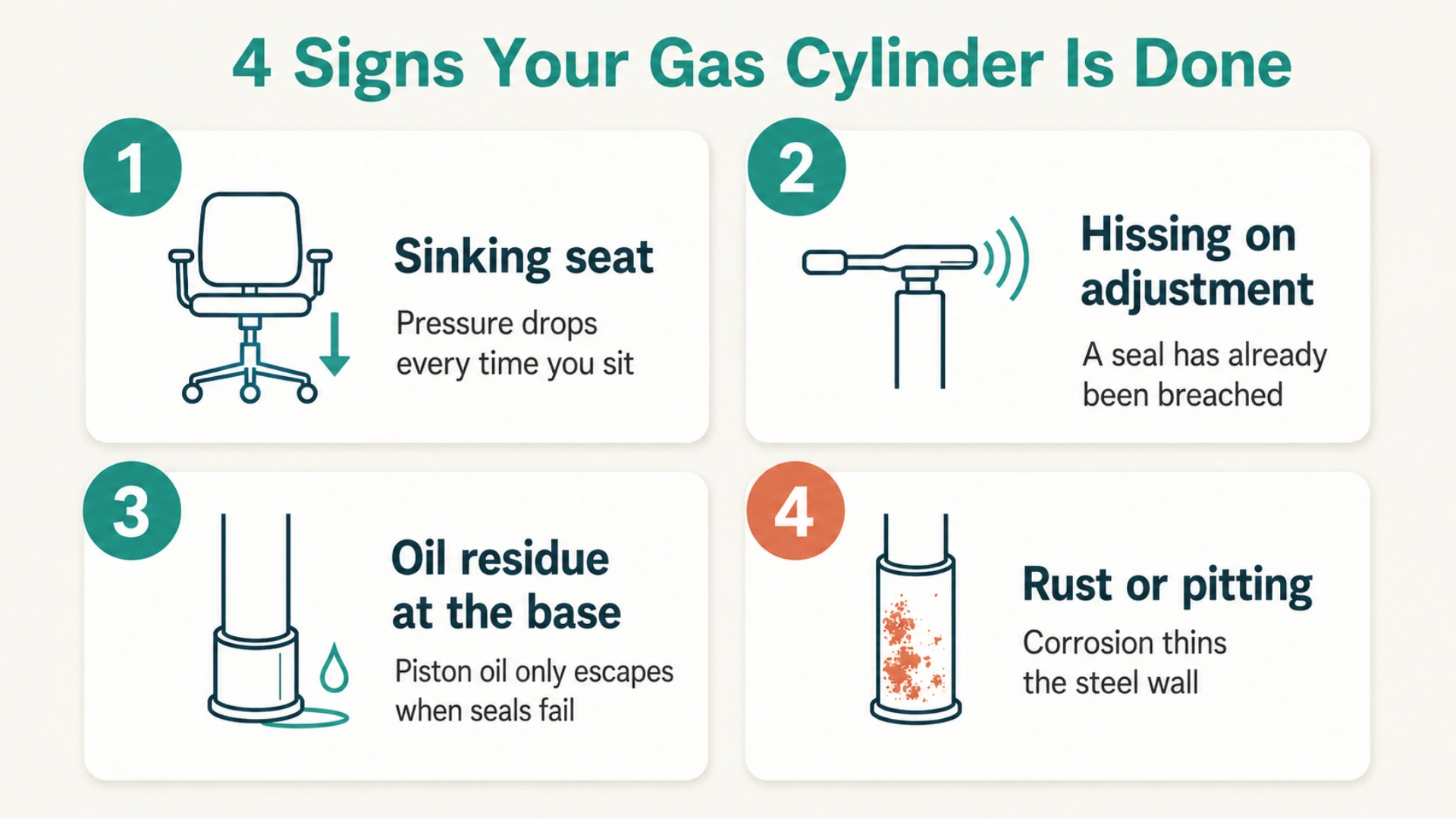
- Listen for a hissing sound when adjusting.
- Check for oil residue on the shaft—this means a seal has ruptured.
- Flip the chair over and inspect the base for loose bolts or cracks.
Pro Tip: If the lever feels loose or doesn’t click, the issue might be the tension mechanism, not the cylinder.
Tighten Loose Base Bolts and Connections
A wobbly or sinking chair might just need tightening—no parts required.
How to Secure the Chair Base
- Turn the chair upside down.
- Locate the bolts connecting the gas cylinder to the five-star base.
- Use an Allen key or wrench to tighten each bolt—do not overtighten.
- Flip the chair upright and test the height lock.
Realign the Gas Cylinder
If the cylinder is misaligned:
1. Lift the seat off the base.
2. Reinsert the cylinder fully into the seat mechanism.
3. Ensure the lever clicks into place.
4. Reattach the seat and test.
Warning: If bolts are stripped or the base is cracked, replacement is necessary.
Clean the Gas Lift Shaft and Tube
Dirt and debris can prevent the cylinder from locking properly.
Step-by-Step Cleaning Process
- Flip the chair on its side.
- Remove the base by taking off the retaining clip and washer.
- Wipe the piston rod with a dry cloth.
- Use compressed air to blow dust out of the outer tube.
- Reassemble and test.
Note: Cleaning won’t fix a leaking cylinder, but it can restore function if grime is the issue.
Apply a Hose Clamp and Duct Tape (Quick Temporary Fix)
Need a fast, low-cost solution? This method locks the chair at one height—no sinking, but no adjustability.
How to Install the Hose Clamp
- Raise the chair to your ideal sitting height—this is critical.
- Wipe the cylinder shaft clean.
- Wrap 6–8 inches of duct tape around the shaft near the base for grip.
- Slide a hose clamp over the cylinder.
- Position it where the shaft meets the outer column.
- Tighten the clamp with a flathead screwdriver until snug.
Result: The clamp acts as a physical stop, preventing retraction.
Pros and Cons of the Hose Clamp Method
- ✅ Under $5, no tools needed
- ✅ Takes less than 10 minutes
- ❌ Chair height is fixed
- ❌ Clamp may loosen over time
- ❌ Not visually appealing
Best for: Students, short-term use, or when replacement parts aren’t available.
Install a PVC Spacer for a Longer-Lasting Lock
More durable than tape, this method uses a plastic tube to block downward movement.
How to Fit a PVC Spacer
- Set the chair to your ideal height.
- Measure the gap between the cylinder base and seat (usually 3–3.5 inches).
- Cut a 1-inch diameter PVC pipe to match.
- Flip the chair on its side.
- Remove the retaining clip and washer.
- Pull out the cylinder and base together.
- Slide the PVC spacer onto the shaft.
- Reinsert the cylinder, ensuring the bearing is in place.
- Reattach the washer and clip.
- Flip upright and test.
Pro Tip: Use a hacksaw or pipe cutter for clean edges. Sand rough ends to prevent binding.
Why the PVC Spacer Works
The spacer physically stops the cylinder from retracting, locking the chair at one height.
Pros and Cons
- ✅ Lasts months, low cost
- ❌ No height adjustment
- ❌ Requires basic tools and measuring
- ❌ Slightly visible
Best for: Users who want a fixed, ergonomic height without buying new parts.
Use the Office Chair Hero for a No-Tools Fix

A clean, nearly invisible product designed to stop sinking chairs—no cutting or tools.
How to Install the Office Chair Hero
- Flip the chair upside down.
- Choose one of the four U-shaped plastic tubes that fits your desired height.
- Slide it around the gas cylinder.
- Secure with the included clamp.
- Test the chair.
Note: You can stack tubes for different heights, but once installed, adjustability is limited.
Key Benefits
- ✅ No tools, no cutting
- ✅ Supports up to 600 lbs
- ✅ Nearly invisible
- ✅ Reusable if you switch chairs
Real-World Result: One user fixed a 2-year-old chair using three of the four tubes—no more sinking, no readjusting.
Cost and Availability
- Priced at $20–$30 on Amazon
- More expensive than DIY but cheaper than a new chair
- Ideal for those who dislike DIY or lack tools
Best for: Remote workers, home offices, or anyone wanting a clean, quick fix.
Replace the Gas Lift Cylinder (Permanent Fix)
The best long-term solution. Restores full adjustability and safety.
How to Choose the Right Replacement Cylinder
- Diameter: 45mm or 50mm (measure your old one)
- Stroke length: 120–140mm
- Weight rating: Match to your body weight (e.g., 100kg for heavier users)
Warning: Never exceed the cylinder’s weight limit—this causes premature failure.
Step-by-Step Cylinder Replacement
1. Remove the Old Cylinder
- Lay the chair on its side.
- Remove the retaining clip and washer from the base.
- Pull the cylinder and base out together.
- If stuck, use a cylinder removal tool:
– Attach two shaft collars to the piston.
– Tighten extraction screws with an Allen wrench until the cylinder pops out. - Alternatively, place the base on a trash can rim and tap the bottom with a hammer.
2. Install the New Cylinder
- Press the lift button on the new cylinder—ensure it extends smoothly.
- Insert it into the chair base.
- Slide the base back onto the shaft.
- Reattach the washer and retaining clip.
- Flip the chair upright.
3. Test the Mechanism
- Adjust the height multiple times.
- Sit down—chair should hold position.
- No hissing, no sinking.
Pro Tip: Buy a complete kit (cylinder, clip, washer, tool) from Amazon or Shopee Singapore for under $35.
Replace the Cylinder Without a Tool
No removal tool? No problem.
Manual Extraction Method
- Turn chair upside down.
- Unscrew the base from the cylinder (if threaded).
- Pull the cylinder out.
- Insert the new one.
- Reattach the base.
Note: Some chairs have a snap-in base; others are threaded. Check your model.
Troubleshoot Common Post-Repair Issues
Chair Still Sinks After Repair?
- Check alignment: Cylinder must be fully seated.
- Verify clip and washer: Missing parts cause instability.
- Test new cylinder: Press the lever—should extend smoothly.
Lever Won’t Lock?
- Clean the mechanism: Grime can jam the lock.
- Replace tension knob: If loose or damaged.
- Check for bent parts: Physical damage prevents locking.
Base Wobbles?
- Tighten all bolts.
- Inspect for cracks—replace base if damaged.
When to Replace the Entire Chair
Not every chair is worth fixing. Consider replacement if:
- The frame is cracked or bent.
- Multiple components are failing.
- The cost of parts approaches a new chair’s price.
- You’ve tried multiple fixes and the chair still sinks.
- Safety is a concern (e.g., sudden collapse).
Rule of Thumb: If the chair is over 5–7 years old and heavily used, replacement may be more cost-effective.
Prevent Future Gas Lift Failures
Extend your chair’s life with simple habits.
Maintenance Tips
- Avoid bouncing or slamming the seat.
- Don’t exceed weight limits.
- Clean the shaft monthly with a dry cloth.
- Check bolts every 3–6 months.
- Use within recommended height range.
Choose Quality Replacement Parts
- Always buy OEM or high-rated cylinders.
- Avoid cheap, unbranded lifts—they fail faster.
- Match the stroke length and diameter exactly.
Cost Comparison: Fix vs. Replace

| Method | Cost | Duration | Adjustability |
|---|---|---|---|
| Hose Clamp & Tape | <$10 | Days–weeks | None |
| PVC Spacer | <$15 | Months | None |
| Office Chair Hero | $20–$30 | Months–years | Limited |
| Cylinder Replacement | $25–$35 | Years | Full |
| New Chair | $100+ | 5–10 years | Full |
Bottom Line: Repairing is almost always cheaper than replacing.
Where to Buy Replacement Parts (Singapore & Global)
Online
- Amazon: Search “office chair gas lift 50mm”
- Lazada Singapore: “Gas lift cylinder replacement”
- Shopee Singapore: “Office chair lift mechanism”
Local Stores
- NTUC FairPrice, Home Centre (hardware sections)
- Office supply shops
- Furniture repair shops (Tiong Bahru, Hougang)
Pro Tip: Bring your old cylinder to match size and rating.
Frequently Asked Questions About Fixing a Sinking Office Chair
Why does my office chair keep sinking?
Your gas lift cylinder has likely failed due to worn internal seals or a loss of pressure. This is the most common cause of sinking chairs.
Can I fix a sinking chair without replacing the cylinder?
Yes. Temporary fixes like a hose clamp, PVC spacer, or Office Chair Hero can stop sinking without replacing the cylinder.
How much does a new gas lift cylinder cost?
Replacement cylinders cost $25–$35, often sold in kits with a washer, clip, and removal tool.
Is it safe to use a sinking office chair?
No. A failing gas lift can collapse suddenly, risking back strain or falls. Fix it promptly.
Can I repair a leaking gas lift cylinder?
No. Leaking cylinders cannot be repaired—only replaced. The internal seals are not serviceable.
How long do office chair gas lifts last?
With regular use, gas lifts last 2–5 years. Heavy use or exceeding weight limits shortens lifespan.
Key Takeaways for Fixing a Sinking Office Chair
- The gas lift cylinder is almost always the culprit when a chair won’t stay up.
- Temporary fixes like hose clamps or PVC spacers work in a pinch but remove adjustability.
- The Office Chair Hero offers a clean, no-tools alternative for fixed-height locking.
- Replacing the cylinder is the best permanent fix—restores full function for under $35.
- Always match the diameter, stroke, and weight rating when buying a new cylinder.
- A sinking chair is a safety hazard—don’t ignore it.
Next Step: Diagnose your chair today. If it sinks when you sit, order a replacement cylinder or try the hose clamp method to get through the week. With the right fix, your chair can last years longer—sit tall, work comfortably, and save money.