That annoying squeak every time you lean back or swivel can turn your focus into frustration. A noisy office chair isn’t just distracting—it disrupts workflow, annoys coworkers, and makes even short tasks feel longer. The good news? Most squeaks stem from simple, fixable issues like loose screws or dry joints. With basic tools and a few minutes, you can silence your chair for good.
This guide walks you through diagnosing the exact source of the squeak, applying targeted fixes, and preventing future noise. From tightening bolts to choosing the right lubricant, you’ll learn how to restore smooth, silent operation. Whether you’re working from home or in a busy office, a quiet chair means better concentration and a more professional environment—all without replacing your furniture.
Diagnose the Source of the Squeak
Before tightening or lubricating, pinpoint where the noise comes from. Guessing can waste time and make problems worse. A systematic check ensures you fix the right part.
Test Each Movement Type
Sit in the chair and slowly perform actions that trigger the squeak. Listen and feel for vibrations:
- Leaning back? Likely the tilt mechanism or backrest pivot
- Swiveling? Focus on the central column and base joint
- Rolling? Inspect casters and wheel housings
- Shifting side to side? Could be seat-to-frame connections
- Adjusting height? Check the gas lift cylinder
Repeat each motion several times. If possible, have someone else move the chair while you press on different joints to feel for play or grinding.
Identify High-Risk Squeak Zones
Most noise comes from these six areas:
- Tilt mechanism under the seat
- Seat-to-backrest hinge
- Backrest pivot point
- Central column and base connection
- Caster (wheel) mounts
- Armrest attachment points
Wiggle each area by hand. If you hear creaking or feel looseness, mark it for repair. Even slight movement can generate noise over time.
Tighten All Chair Fasteners
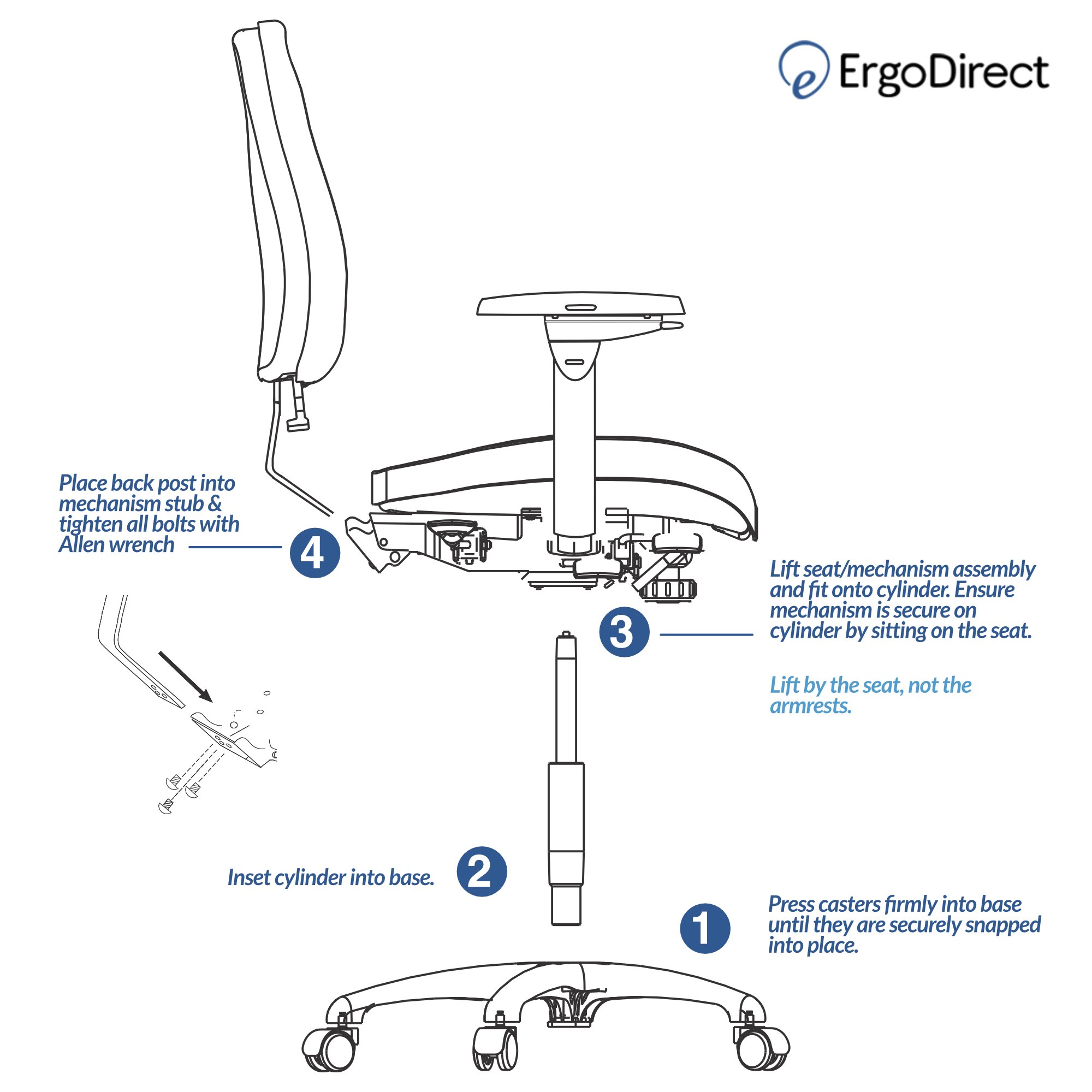
Loose screws are the most common cause of squeaking. Constant movement gradually loosens bolts, creating friction and noise.
Focus on Critical Connection Points
Use a 2.5mm–4mm Allen wrench or screwdriver to check these spots:
- Base-to-tilt mechanism bolts
- Seat-to-backrest pivot screws
- Tilt mechanism housing
- Backrest mounting bolts
- Armrest fasteners
- Caster mounting screws
Work in order, tightening each bolt just until snug. Don’t skip any—some are hidden under plastic caps or upholstery.
Prevent Damage from Overtightening
Warning: Forcing screws can strip threads or crack plastic. Stop when resistance increases. If a bolt spins without tightening, the thread may be damaged. Consider using thread-locking adhesive or replacing the bolt.
Lubricate Moving Joints Properly
Dry metal or plastic parts rubbing together create high-pitched squeaks. Lubrication eliminates friction—but only if done correctly.
Choose the Best Lubricant for Your Chair
Not all lubes are safe. Use this guide:
| Lubricant | Best For | Risks |
|---|---|---|
| Silicone spray | Plastic and metal joints | Safe, dust-resistant, long-lasting |
| WD-40 | Metal-on-metal only | Attracts dust, degrades plastic over time |
Pro Tip: Silicone spray is ideal for most office chairs. It won’t damage plastic and doesn’t gum up with dust.
Apply Lubricant to Key Pivot Points
Spray 1–2 short bursts on:
- Tilt mechanism pivot
- Seat-to-backrest hinge
- Central column where it meets the base
- Backrest pivot joint
- Caster wheel axles (if accessible)
Avoid soaking parts. Excess lube increases stick-slip friction, which can cause new squeaks.
Eliminate Stick-Slip Squeaking
Too much lubricant creates a “stick-slip” effect—where parts stick, then suddenly release, causing noise. Wipe away all visible residue with a clean, dry cloth after application.
Clean and Remove Excess Residue
Lubricant cleanup is essential for safety and performance.
Wipe Down All Treated Areas
After lubricating, thoroughly wipe:
- Pivot joints
- Metal brackets
- Base housing
This prevents:
– Lubricant transfer to clothes or carpet
– Dust buildup that accelerates wear
– Slippery floor hazards (especially with WD-40)
Clean the Floor Immediately
If spray landed on hardwood or tile, wipe it fast. Lubricants make floors slick and dangerous.
Fix Caster and Base Problems

Wheels and base movement often mimic chair squeaks.
Tighten or Replace Caster Screws
Remove each caster and inspect the mounting bolt. Reinsert and tighten securely. If the hole is stripped:
- Use a slightly larger bolt
- Insert a plastic anchor
- Replace the entire caster
Reduce Floor Friction with Felt Pads
Place felt pads under wheel housings to quiet rolling noise. Especially effective on hardwood, laminate, or tile.
Re-seat the Gas Lift Cylinder
A loose central column can rattle or squeak. Ensure it’s fully inserted into the base. If not, cover the top with a cloth and tap it gently with a mallet to reseat.
Replace Worn or Damaged Components
Some squeaks won’t go away—because parts are worn out.
Inspect for Visible Damage
Look for:
- Cracked plastic joints
- Bent metal brackets
- Worn bushings or ball joints
- Corroded pivot points
Check your chair manufacturer’s website for replacement parts. Many brands sell tilt mechanisms, backrest hinges, and casters individually.
Use Rubber Washers to Dampen Noise
Insert rubber washers between metal mounting points (e.g., backrest to frame) to stop vibration and eliminate metal-on-metal contact noise.
Know When to Replace the Chair
Not every chair can be saved.
Signs It’s Time for a New Chair
- Squeaking continues after all fixes
- Multiple parts are cracked or failing
- Chair is older than 5–7 years
- Repair cost exceeds half the price of a new model
A new ergonomic chair may offer better support, improved comfort, and long-term value.
Prevent Future Squeaks with Routine Care
Keep your chair silent and functional with simple maintenance.
Follow a Maintenance Schedule
| Task | Frequency |
|---|---|
| Tighten screws | Every 3–6 months |
| Lubricate joints | Every 6–12 months |
| Inspect for wear | Annually |
| Clean dust and debris | Monthly |
Set a calendar reminder. Five minutes twice a year can prevent months of noise.
Avoid Aggressive Use
Don’t rock hard or lean back suddenly. Smooth movements reduce stress on joints and extend chair life.
Keep It Dust-Free
Dust and grit accelerate wear. Vacuum under the seat and around casters monthly. Wipe down metal parts to prevent corrosion.
Frequently Asked Questions About Office Chair Squeaks
Why does my office chair squeak when I lean back?
The tilt mechanism or backrest pivot likely has loose bolts or dry joints. Tighten the screws under the seat and lubricate the hinge with silicone spray.
Can I use WD-40 on my squeaky office chair?
Only on metal-on-metal parts. Avoid using WD-40 on plastic—it can cause degradation and attract dust. Silicone spray is safer and longer-lasting.
How often should I lubricate my office chair?
Every 6–12 months. Regular lubrication prevents friction and extends the life of moving parts. Use silicone spray for best results.
Why does my chair still squeak after lubrication?
You may have over-lubricated, causing stick-slip friction. Wipe off excess lube. If the noise continues, inspect for worn or damaged parts.
Are squeaky chairs dangerous?
Not immediately, but persistent squeaks often mean loose or failing parts. Left unchecked, this can lead to sudden collapse or injury.
Can I replace individual chair parts?
Yes. Most manufacturers sell tilt mechanisms, casters, gas lifts, and backrest hinges separately. Check the brand’s website or contact support.
Key Takeaways for Fixing a Squeaky Office Chair
Most office chair squeaks are easy to fix. Start by identifying the noise source—lean, swivel, and roll to isolate the area. Then tighten all screws with an Allen wrench, focusing on pivot points and mounting hardware. Apply silicone spray to dry joints, wipe away excess, and clean any spills. For persistent noise, inspect for worn parts and replace them as needed.
Prevent future squeaks with routine care: tighten screws every few months and lubricate annually. Avoid aggressive rocking and keep the chair clean. If your chair is over 5–7 years old and still squeaks after repairs, consider upgrading to a new ergonomic model. A quiet chair means fewer distractions, better focus, and a more comfortable workspace—all from one simple fix.