A wobbly office chair doesn’t just disrupt your focus—it can harm your posture and comfort over time. Whether you’re working from home in a HDB flat or using the chair in a co-working space, instability when leaning or shifting is a clear sign something needs attention. The good news? Most causes behind how to fix wobbly office chair issues are simple, mechanical problems that you can resolve in under an hour with basic tools. From loose screws to worn casters, this guide gives you a step-by-step plan tailored for Singapore users, using locally available parts and practical fixes.
You’ll learn how to diagnose the source of the shake, tighten or replace key components, and prevent future wobble—all without needing professional help. Whether your chair is from IKEA, Secretlab, or a local furniture store, these methods apply to 90% of standard office chairs used in Singaporean homes and offices.
Tighten Loose Base Screws
Check Base-to-Column Fasteners
The most frequent cause of wobbling is loose screws where the five-star base connects to the gas lift cylinder. Daily use, especially on hard floors like marble or tiles, gradually loosens these fasteners. Flip the chair upside down and inspect the cluster of screws at the center of the base. Use a Phillips screwdriver or Allen key—whichever matches your chair’s hardware—to tighten each one firmly. Make sure the base sits flush against the cylinder without any gap or tilt.
Replace Damaged Fasteners
If a screw spins without gripping or the bolt head is stripped, it won’t hold tight no matter how much you turn it. Remove the damaged screw and take it to a nearby hardware store like Daiso, Popular, or a local hardware shop in Lucky Plaza or Tekka Centre to find an exact match. Alternatively, order M6 or M8 replacement bolts online via Shopee or Lazada. Replacing weak fasteners prevents further loosening and restores structural integrity.
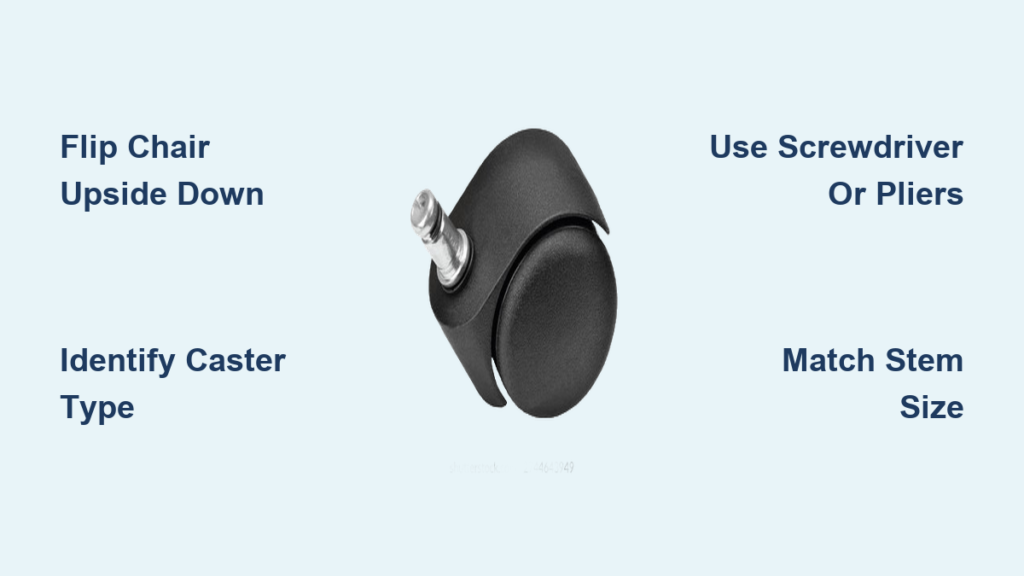
Inspect and Replace Caster Wheels

Identify Worn or Broken Casters
Uneven or damaged casters are a major contributor to chair instability. Lift the chair and spin each wheel by hand. Look for:
• Cracks in the plastic housing
• Wheels that stick or don’t rotate smoothly
• One caster shorter than the others due to wear
If your chair rocks when you sit, a single faulty wheel could be the culprit.
Swap Out Faulty Casters
Most casters are push-fit and can be removed by pulling them straight out from the base’s fork arms. Grip the wheel firmly and pull with steady force—no tools needed. Insert a new 50mm nylon or rubber caster by pushing it into the socket until it clicks. For best results, replace all five casters at once to ensure uniform height and smooth movement. Universal replacements cost under SGD 20 on Shopee and fit most models.
Diagnose Gas Lift Problems
Test for Cylinder Instability
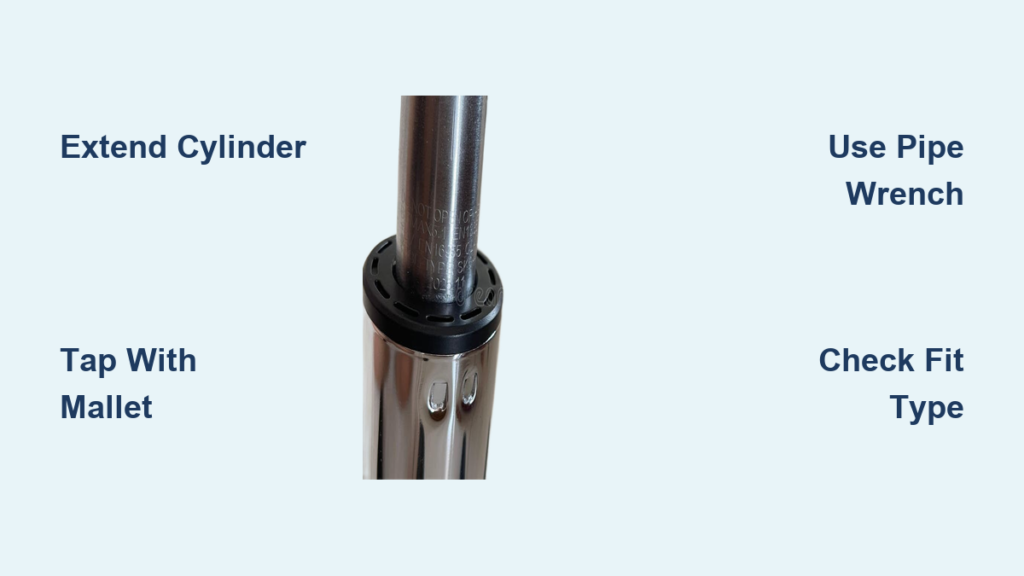
The gas lift supports your weight and allows height adjustment. If your chair sinks when you sit or feels shaky during use, the cylinder may be failing. Signs of a bad gas lift include:
• Oil stains or residue around the shaft
• Inability to stay at a fixed height
• Wobble in the central column even after tightening screws
This issue is more common in chairs over three years old.
Replace the Gas Lift (If Needed)
Buy a Class 3 or 4 standard gas lift (100mm or 120mm diameter) that matches your model. To replace:
1. Turn the seat pad counterclockwise or remove screws to detach it from the base.
2. Pull the old cylinder out from the bottom of the base.
3. Insert the new cylinder into the base, then reattach the seat.
Wear gloves—gas lifts can release pressure suddenly. New cylinders are available on Lazada or from office furniture suppliers in Singapore.
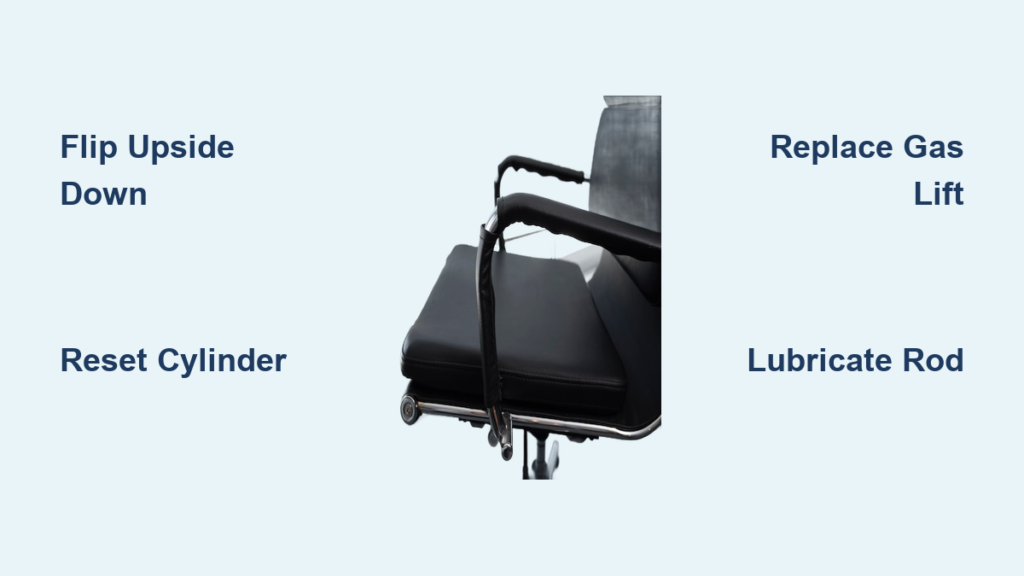
Examine the Chair Frame
Spot Cracks or Weak Joints
Plastic or metal frames can develop stress fractures over time, especially near armrest mounts or the tilt mechanism. Sit on the chair and gently rock forward and backward. Listen for creaks or pops. Visually inspect high-stress areas for:
• Hairline cracks in plastic
• Bent metal supports
• Loose welds on metal frames
Even small cracks can worsen with daily use.
Reinforce Damaged Areas
For minor plastic cracks, clean the area and apply industrial epoxy resin. Clamp it in place and let it cure for 24 hours. For metal breaks, use small L-brackets and bolts to bridge the gap. While this can extend the chair’s life, severe frame damage means replacement is safer.
Secure the Seat and Tilt Mechanism

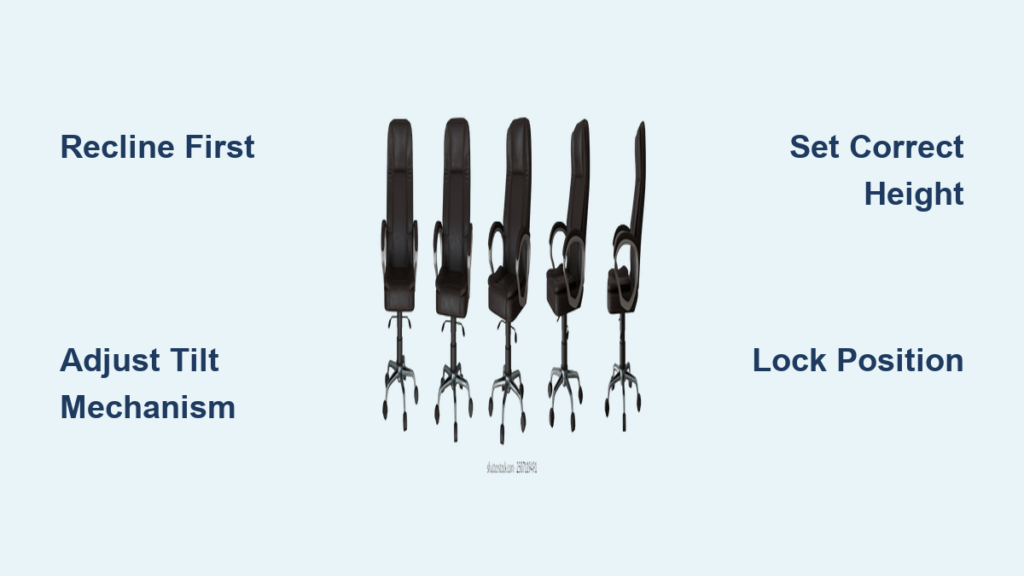
Tighten Tilt Tension and Rocker Bolts
Loose tilt mechanisms cause front-to-back wobble. Locate the tilt tension knob under the seat and turn it clockwise to increase stiffness. Then, flip the chair and check the bolts connecting the rocker mechanism to the frame. Use an Allen key or wrench to tighten them securely.
Lock the Recline Function (Optional)
If you don’t recline often, lock the mechanism to reduce movement. Engage the tilt lock lever (if available) or fully tighten the tension knob so the backrest stays fixed. This minimizes play and improves stability during typing or screen focus.
Reassemble and Test Stability
Reattach All Components Securely
After repairs, go over every connection:
• Base screws
• Caster wheels
• Seat mounting
• Armrest bolts
Ensure all parts are seated properly and tightened—cross-threading can cause future issues.
Perform a Real-World Test
Place the chair on a flat surface with a chair mat. Sit slowly and:
• Adjust the height
• Lean forward and back
• Shift side to side
There should be no shaking, creaking, or uneven movement. If wobbling continues, revisit earlier steps—multiple small issues often combine to create noticeable instability.
Prevent Future Wobble
Schedule Regular Maintenance
Set a reminder every 3–6 months to inspect and tighten screws and casters. Keep a small toolkit (Allen key, screwdriver) in your home office drawer. This habit prevents gradual loosening and extends your chair’s lifespan.
Avoid Weight Overload
Check your chair’s weight limit—typically 100–120kg. Exceeding it strains the gas lift, casters, and frame. If you’re near or above the limit, consider upgrading to a heavy-duty ergonomic model designed for higher capacity.
Use a Chair Mat
Hard floors common in Singapore homes accelerate caster wear. A PVC or polycarbonate chair mat protects both your floor and the wheels. It also reduces rolling resistance, minimizing stress on the base and casters.
Frequently Asked Questions About Fixing Wobbly Office Chairs
Why does my office chair wobble when I lean back?
Loose tilt mechanism bolts or a worn gas lift cylinder are the most common causes. Tighten the rocker bolts under the seat and check if the gas lift is leaking or unstable. Locking the recline function can also reduce movement.
Can I fix a wobbly chair without tools?
You can replace casters without tools, but tightening screws and securing the base require a screwdriver or Allen key. These tools are inexpensive and widely available in Singapore at Daiso or hardware stores.
How much does it cost to fix a wobbly office chair in Singapore?
Most repairs cost SGD 10–30: replacement casters (SGD 15–20), gas lift (SGD 25–40), and screws (under SGD 5). DIY repair is far cheaper than buying a new chair.
When should I replace a wobbly office chair?
Replace it if the frame is cracked or bent, the gas lift is unreplaceable, or repair costs exceed SGD 80–100. A new ergonomic chair from IKEA or Secretlab starts around SGD 150 and offers better long-term value.
Do chair mats really help with wobble?
Yes. Chair mats prevent caster wear on hard floors, ensuring even wheel height and smooth rolling. This reduces strain on the base and minimizes instability caused by uneven casters.
Can I buy replacement parts in Singapore?
Yes. Universal casters, gas lifts, and screws are available on Shopee, Lazada, or at local hardware stores. For branded chairs, check the manufacturer’s website or contact customer service for compatible parts.
Key Takeaways for Fixing Your Wobbly Office Chair
Fixing a wobbly office chair is usually quick, affordable, and effective. Most problems stem from loose base screws or worn casters—both easy to fix with tools you likely already own. By tightening fasteners, replacing damaged wheels, and checking the gas lift, you can restore full stability in less than an hour. For Singapore residents, DIY repair saves money, reduces waste, and extends the life of your furniture.
If the frame is severely damaged or replacement parts aren’t available, consider upgrading to a durable ergonomic model. But before you buy new, try these proven fixes—you might just save your chair and sit more comfortably for months to come.