
Turning a garage into an office is one of the smartest home upgrades you can make—affordable, functional, and transformative. Whether you’re working remotely, starting a side business, or craving a dedicated creative space, converting your garage offers a blank canvas to build a professional, personalized workspace without the cost of an addition. The best part? You don’t need a six-figure budget to achieve a high-end result. With smart planning, DIY craftsmanship, and a focus on essentials like insulation, flooring, and ergonomics, you can create a productive, stylish office in just weeks.
This guide walks you through every phase of the transformation—from stripping the space bare to installing premium finishes—based on a real-world $7,000 luxury conversion. You’ll learn how to maximize natural light, upgrade electrical systems, build custom furniture, and solve common challenges like temperature swings and noise. By the end, you’ll have a clear roadmap to turn your underused garage into a functional, inspiring workspace that supports focus, comfort, and long-term use.
Strip Garage to Bare Bones
Before any upgrades begin, the garage must be completely cleared and prepped. This foundational step sets the tone for the entire project.
Remove All Stored Items
Start by removing every item from the garage—tools, bikes, sports gear, holiday decorations, and old furniture. Store belongings in another part of the house, a shed, or a temporary storage unit. A completely empty space allows you to assess structural integrity, flooring conditions, and wall surfaces without obstructions.
Pro Tip: Sort items as you remove them—donate, sell, or discard what you no longer need. A clutter-free garage office starts with a clean slate.
Demolish Old Flooring
Many garages have outdated tile, cracked concrete, or deteriorated surfaces that must be removed. In this project, white speckled tile was pulled up using a jackhammer, which took about 8 hours for a standard two-car garage.
• Wear eye protection, ear protection, and a dust mask
• Ensure proper ventilation during demolition
• Rent a dumpster or schedule bulk trash pickup for debris
• If concrete is intact and level, consider grinding instead of full removal
Removing damaged flooring prevents future issues with adhesion and finish, especially when applying epoxy.
Grind Concrete to Smooth Finish
After demolition, grind the concrete to create a smooth, even surface. This step is critical for epoxy flooring, which requires a flawless base for proper adhesion.
• Use a commercial floor grinder to remove high spots and imperfections
• Clean dust thoroughly with a shop vacuum before proceeding
• Patch cracks or pitting with concrete filler if needed
A well-prepared floor ensures your new finish lasts for years without peeling or bubbling.
Install Epoxy Flooring
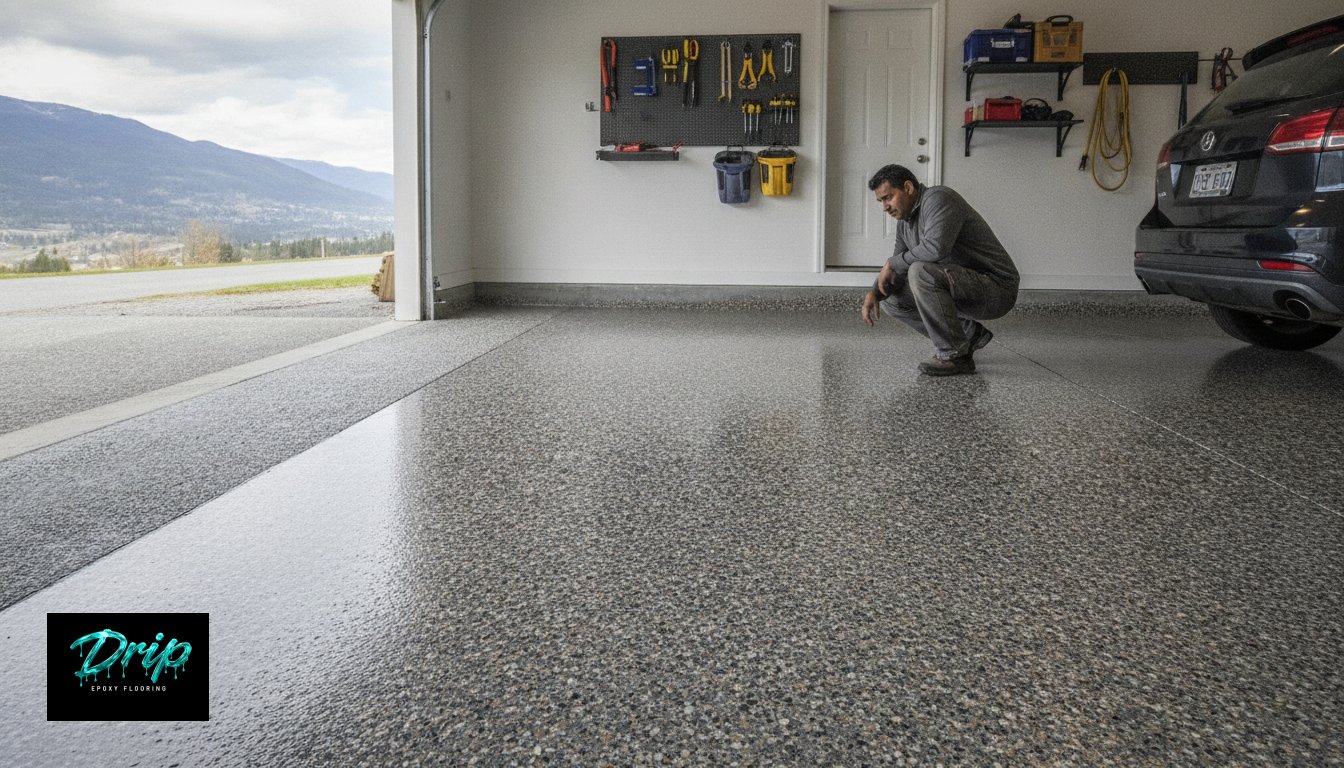
Epoxy flooring transforms a dull garage into a sleek, professional workspace. It’s durable, easy to clean, and visually striking.
Choose Multi-Color Epoxy
Solid colors show every scuff and dust speck. A multi-color flake epoxy system hides imperfections better and adds visual depth. In this build, a custom blend was used to create an industrial-chic look.
• Professional installation cost: $1,200
• DIY option possible but requires precision in mixing, spreading, and timing
Benefits of Epoxy
• Resists stains, oil, and moisture
• Withstands heavy furniture and rolling chairs
• Easy to wipe clean
• Reflects light, brightening the space
Prep and Apply Properly
Even with professional installation, surface prep is your responsibility. Ensure the concrete is:
• Clean and dry
• Free of grease or sealers
• Properly etched or ground
Once applied, avoid foot traffic for 24–48 hours and wait 7 days before placing heavy furniture.
Insulate the Garage Door First
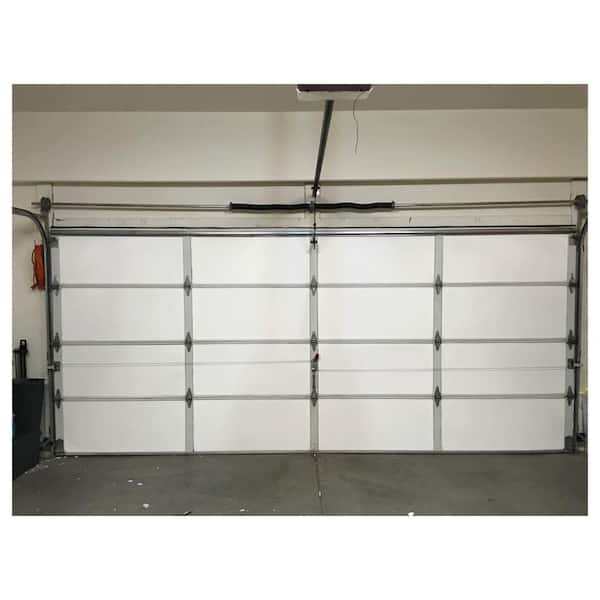
Of all the steps in a garage office conversion, insulating the garage door is the most critical for year-round comfort.
Why It Matters
Garage doors are thin and poorly insulated. Without treatment, they turn your office into an oven in summer and a freezer in winter.
• Heat loss through the door can account for up to 40% of total energy loss
• Insulation stabilizes indoor temperature and reduces HVAC strain
Install R-Value Insulation Panels
Use rigid foam insulation panels (R-8 to R-10) designed for garage doors.
• Cut panels to fit each door section
• Secure with adhesive or fasteners
• Seal edges with weatherstripping to prevent air leaks
Pro Tip: Do this early in the project—before electrical or furniture work—so you’re not working in extreme temperatures.
Refinish Door for Aesthetic Continuity
Once insulated, refinish the garage door to match your office design.
• Remove 2×4 reinforcements for a clean look
• Sand, stain, and seal the wood
• Use the same black and mahogany palette as your desk and workbench for a unified aesthetic
Cost: $300 (materials and finish)
This step eliminates the “garage feel” and creates a seamless transition from interior to exterior.
Upgrade Electrical and Internet
A functional office needs reliable power and connectivity. Plan this before walls are closed or flooring is set.
Add Dedicated Circuits
Garage wiring is often outdated and insufficient for modern office loads (computers, monitors, printers, chargers).
• Install at least two dedicated 15-amp circuits
• Use a licensed electrician for code compliance and safety
• Place outlets at desk height and along all walls
Include USB and Surge Protection
• Install USB outlets for convenient device charging
• Use surge-protected power strips to safeguard electronics
Run High-Speed Internet
• Hardwire a Cat6 or Cat6a Ethernet line from your home router to the garage
• Install a Wi-Fi access point or mesh node for strong, reliable signal
• Avoid relying on Wi-Fi extenders—they often create lag and dead zones
Pro Tip: Label all cables and circuits for future troubleshooting.
Build Custom Desk and Workbench

Furniture defines the functionality and style of your office. Build or refinish key pieces for durability and design cohesion.
Refinish Existing Workbench
Instead of replacing a functional workbench, upgrade it.
• Dimensions: 4×8 feet
• Process:
1. Sand surface smooth
2. Apply Minwax True Black stain
3. Apply three coats of oil-based polyurethane, sanding between each
• Result: Piano-black, high-gloss, ultra-durable surface
• Cost: $250 (stain and finish)
Why It Works: Refinishing saves money and waste while delivering a luxury look.
Build Butcher Block Executive Desk
Create a centerpiece with a custom desk.
• Material: 100% real butcher block birch wood, 1.5” thick
• Dimensions: 74” long × 30” wide
• Stain: Rich red mahogany (tested from 10 samples)
• Finish: Three coats of American-made satin urethane
• Legs: Powder-coated steel for modern, minimalist look
• Curing Time: 30 days—do not rush
Cost: $1,800 (materials and finish)
Pro Tip: Test stains on a scrap piece first. Wood conditioner ensures even absorption.
Optimize Lighting and Ambience
Lighting affects mood, focus, and eye strain. Layer your lighting for maximum flexibility.
Install Ambient Lighting
Use a combination of overhead and decorative fixtures.
• IKEA three-piece lamp set: $120
• Place floor and table lamps in corners and near seating
• Choose warm white (2700K–3000K) for comfort, cool white (4000K) for task areas
Add Task Lighting
• Use an adjustable desk lamp with LED bulbs
• Position to avoid screen glare
• Consider a swing-arm wall lamp to save desk space
Maximize Natural Light
• Add windows or skylights if possible
• Use flat white paint on walls to reflect light
• Position desk perpendicular to windows to reduce glare
Design Tip: Light-colored walls and floors make the space feel larger and more inviting.
Implement Smart Storage Solutions
A clutter-free office is a productive office. Use vertical and hidden storage to keep gear organized.
Build Custom Gear Display
For hobbyists, storage can double as decor.
• Kiteboarding wall system holds 4 kites, board, harnesses, pump, and wetsuits
• Use a black-stained baseboard to hang gear safely
• Keeps items accessible and visually appealing
Cost: $400
Use Multi-Functional Furniture
• Tool chest: Stores build tools and hardware. Cost: $350
• Pegboards: Mount on walls for tools and office supplies
• Overhead racks: Store seasonal or infrequently used items
Vertical Storage Ideas
• Tall cabinets for files and supplies
• Floating shelves above desk
• Magnetic strips for metal tools
Pro Tip: Label bins and drawers for quick access.
Control Climate and Air Quality

A comfortable temperature and clean air are essential for daily use.
Install Mini-Split HVAC System
• Ductless mini-split provides heating and cooling
• Energy-efficient and quiet
• Ideal for garages without existing ductwork
• Can be DIY-installed or professionally set up
Alternatives:
• Portable AC unit for cooling
• Space heater for winter
• Ceiling fan for air circulation
Ventilate Properly
Garages often lack airflow.
• Install an exhaust fan to remove stale air
• Use an air purifier with HEPA filter
• Open garage door occasionally when weather permits
Manage Humidity
• Use a dehumidifier in humid climates
• Ensure floor and walls have moisture barriers
• Prevent mold with proper ventilation and insulation
Soundproof for Focus
Reduce noise from traffic, neighbors, or household activity.
Apply Soundproofing Materials
• Acoustic panels on walls and ceiling
• Mass-loaded vinyl behind drywall
• Weatherstripping on garage door edges
• Acoustic caulk around windows and gaps
Reduce Echo
• Add an area rug over epoxy flooring
• Use soft furnishings like a velvet couch or curtains
• Install insulation in walls during build phase
Result: A quiet, distraction-free workspace ideal for calls, recording, or deep focus.
Design a Cohesive Aesthetic
Style matters. A well-designed office boosts motivation and reflects your personality.
Choose a Design Theme
Popular styles for garage offices:
• Rustic Industrial: Exposed beams, metal legs, raw wood
• Modern Minimalist: Clean lines, neutral tones, hidden storage
• Creative Studio: Chalkboard wall, bold colors, inspirational quotes
• Cozy Nook: Warm lighting, plants, reading chair
Maintain Color Consistency
• Use the same stain palette (black and mahogany) across desk, workbench, and door
• Paint walls flat white to brighten and reflect light
• Add accent color through decor, rugs, or art
Add Personal Touches
• Display hobbies as wall art (e.g., kiteboarding gear)
• Include plants for air quality and calm
• Hang artwork or motivational quotes
Pro Tip: Less is more. Avoid visual clutter—keep surfaces clean and functional.
Optimize for Dual-Purpose Use
Need to park a car or use the space for fitness? Design for flexibility.
Office and Gym Combo
• Use zone separation with a room divider or rug
• Choose durable, easy-to-clean flooring (epoxy works well)
• Install mirrors on one wall for workouts
• Store gym gear in overhead racks or cabinets
Office and Storage
• Keep one side of the garage open for vehicle access
• Use sliding barn doors or curtains to section off the office
• Install ceiling-mounted storage for seasonal items
Key: Measure your car and leave at least 24 inches of clearance on each side.
Manage Cables Like a Pro
A tangle of cords kills productivity and looks unprofessional.
Use a Raceway System
• Install plastic raceway kits along walls and under desks
• Route power, monitor, audio, and data cables neatly
• Keeps wires off the floor and out of sight
Bundle and Label
• Use heavy-duty velcro ties to group cables
• Label each cable at both ends
• Use a power strip with surge protection
Cables Managed: 15+ (including monitors, laptop, speakers, lights)
Cost: $80
Result: Clean, safe, and easy-to-maintain setup.
Prioritize Ergonomics and Comfort
Your body spends hours in this space—invest in comfort.
Choose an Ergonomic Chair
• Herman Miller Aeron (used): $800 (saves hundreds)
• Offers lumbar support, breathability, and adjustability
• Worth every dollar for long work sessions
Set Up Proper Desk Height
• Desk should allow elbows at 90° when typing
• Monitor top at or slightly below eye level
• Use a laptop stand and external keyboard if needed
Add a Break Area
• Include a small velvet couch for reading or naps
• Place near a window or lamp for a cozy vibe
• Encourages short breaks to recharge
Stick to a $7,000 Budget

Luxury doesn’t require luxury pricing. Here’s how to stay on track.
Total Cost Breakdown
| Category | Cost |
|---|---|
| Epoxy Floor | $1,200 |
| Custom Desk | $1,800 |
| Workbench Refinish | $250 |
| Aeron Chair (Used) | $800 |
| Tool Chest & Storage | $350 |
| Lighting | $120 |
| Kiteboarding Wall | $400 |
| Cable Management | $80 |
| Paint & Finishes | $600 |
| Garage Door Refinish | $300 |
| Miscellaneous | $500 |
| Total | $7,000 |
Cost-Saving Tips
• Buy used for high-end items (chairs, tools)
• Refinish instead of replace (workbench, door)
• DIY staining and painting—it’s easier than you think
• Test finishes on samples to avoid costly mistakes
Frequently Asked Questions About How to Turn Garage into Office
Can I legally convert my garage into an office?
Yes, but check local zoning laws and building codes first. Some areas require permits for structural changes, electrical upgrades, or habitable space conversions. If you plan to rent it out or use it for business, additional regulations may apply.
Do I need to insulate the entire garage or just the door?
For year-round comfort, insulate the door, walls, and ceiling. The garage door is the top priority because it accounts for up to 40% of heat loss, but full insulation ensures consistent temperatures and energy efficiency.
How do I get internet to my garage office?
Run a Cat6 or Cat6a Ethernet cable from your home router to the garage for the most reliable connection. Alternatively, install a Wi-Fi mesh node or access point in the garage for strong wireless coverage.
Can I keep parking in the garage after conversion?
Yes, design for dual use. Keep one side open for your car and use sliding partitions, overhead storage, or foldable furniture to maximize space. Leave at least 24 inches of clearance on each side of the vehicle.
Is epoxy flooring safe for an office?
Yes. Epoxy is durable, chemical-resistant, and easy to clean. It’s ideal for offices with rolling chairs and heavy furniture. Choose a slip-resistant finish if needed and add an area rug for comfort and noise reduction.
How long does a garage-to-office conversion take?
Most DIY conversions take 3 to 6 weeks, depending on scope. Demolition and prep take 1–2 weeks, followed by electrical, insulation, flooring, and finishing. Allow extra time for curing finishes like polyurethane (30 days).
Key Takeaways for Turning Your Garage into an Office
Turning a garage into an office is a high-impact, cost-effective upgrade. Follow this priority order for best results:
• Insulate garage door first to stabilize temperature
• Install HVAC for year-round comfort
• Demolish and prep floor before applying epoxy
• Upgrade electrical and internet early in the process
• Build or refinish furniture for personalization and value
• Add storage and cable management to stay organized
• Incorporate personal touches to inspire creativity
With careful planning, quality materials, and attention to detail, your garage office can become a daily hub of productivity, creativity, and comfort—no matter your budget. The key is to build intentionally, focus on essentials, and let your personal style shine through.



