
Finding the right office space can make or break your business’s growth. Knowing how to lease an office strategically ensures you get a professional environment that fits your budget, supports your team, and scales with your goals. From calculating square footage to negotiating lease terms and preparing for move-in, every phase requires careful planning. A rushed decision can lead to costly surprises, while a well-researched approach saves money and avoids legal pitfalls.
This guide walks you through the entire office leasing process with actionable steps. You’ll learn how to define your space needs, evaluate properties like a pro, and negotiate favorable terms. We cover hidden costs, legal considerations, and flexible alternatives like coworking spaces—so you can choose the best option for your business size and stage. Whether you’re a startup or an established company expanding, this roadmap helps you secure a space that works today and grows with you tomorrow.
Calculate Your Office Space Requirements
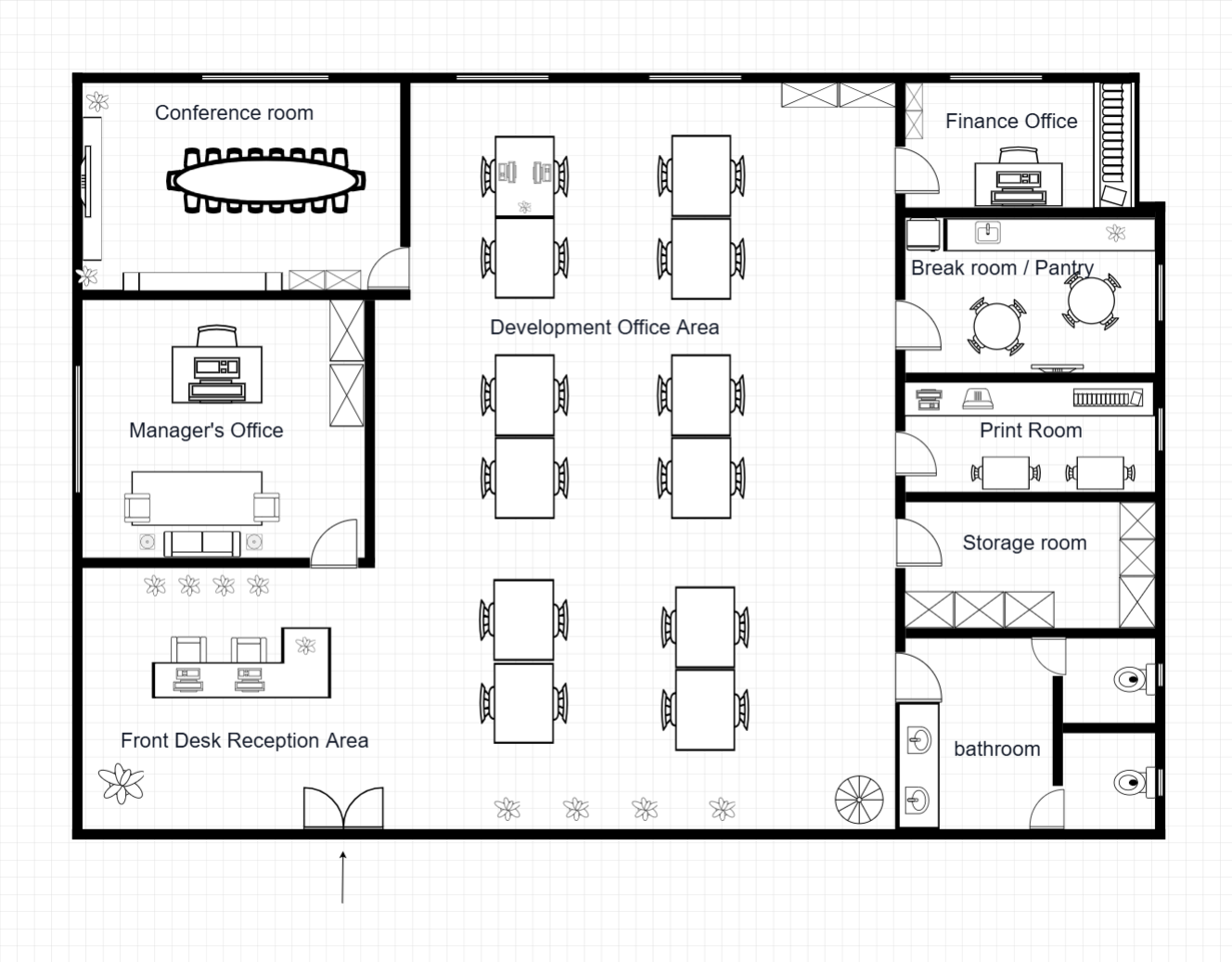
Before browsing listings, determine exactly how much space your business needs.
Determine Square Footage Per Employee
Most companies allocate 100 to 200 square feet per employee, depending on layout and function. For example:
• Startups using open floor plans often need only 100 sq ft per person
• Law firms or executive offices may require 150–200+ sq ft for privacy and meetings
Multiply your current team size by the appropriate range. A team of 6 will likely need 600–1,200 sq ft. Always plan for 12–24 months of growth to avoid an early move.
Choose the Right Office Layout
Select a configuration that matches your workflow:
• Private offices: Best for client-facing businesses needing confidentiality
• Dedicated desks: Ideal for hybrid teams with consistent in-office days
• Hot desking: Cost-effective for remote or freelance teams sharing workspaces
Your choice impacts both cost and productivity.
Set Location and Budget Parameters
Prioritize proximity to clients, public transit, and parking. Define a monthly budget that includes:
• Base rent
• Utilities (~$1.50–$2.50/sq ft/month)
• Security deposit (usually one month’s rent)
• Common area maintenance (CAM) or triple net (NNN) fees
This prevents sticker shock when hidden costs appear.
Find Available Office Spaces Efficiently

Use targeted methods to locate properties that match your criteria.
Browse Commercial Real Estate Platforms
Top websites for office listings include:
• LoopNet: Largest U.S. commercial property database
• Crexi: Modern interface with advanced filters
• Zillow (Commercial): Good for small offices and suburban locations
• Apartments.com (Commercial): Often features flexible lease terms
Search using keywords like “vacant,” “available,” or “move-in ready” to filter active listings.
Hire a Commercial Real Estate Broker
A specialized agent can:
• Access off-market spaces not publicly listed
• Negotiate lease terms on your behalf
• Explain complex clauses like CAM or NNN charges
Many brokers are paid by landlords, so their services often cost tenants nothing.
Leverage Your Professional Network
Ask colleagues, chamber of commerce contacts, or industry peers. Word-of-mouth leads sometimes uncover prime spaces before they hit the market.
Evaluate Office Properties Like a Pro
Not all spaces are move-in ready. Conduct thorough inspections before shortlisting.
Assess Physical Condition and Readiness
Look for:
• Clean, updated interiors with modern finishes
• Functional HVAC, lighting, and electrical systems
• Minimal need for renovations
Avoid spaces requiring major repairs unless the landlord offers build-out credits.
Confirm Essential Building Amenities
Ensure the property includes:
• Elevators (for multi-floor buildings)
• Security systems and keycard access
• Restrooms and kitchen areas
• Conference rooms or meeting spaces
• Parking or bike storage
These features reduce future expenses and improve employee satisfaction.
Verify Zoning and Future Flexibility
Confirm the space allows your business type—some buildings restrict certain uses. Ask:
• Can walls be reconfigured for future layouts?
• Is adjacent space available for expansion?
• Does the lease allow subletting if you downsize?
Future-proofing protects against costly relocations.
Understand Office Lease Types and Costs

Know the structure of commercial leases to avoid financial surprises.
Know the Standard Lease Term
Most office leases run 3 to 5 years. Shorter leases (1–2 years) offer flexibility but may come with higher rent. Longer terms provide stability but limit mobility—choose based on your growth forecast.
Break Down Total Occupancy Costs
You’ll typically pay:
• Base rent: Quoted per sq ft annually (e.g., $40/sq ft/year)
• Triple Net (NNN) charges: Tenant pays property taxes, insurance, and maintenance
• CAM fees: Ongoing costs for shared areas like lobbies and hallways
Example: A 1,000 sq ft office at $40/sq ft/year = $40,000 base rent. Add 15–25% for NNN/CAM—total could reach $46,000–$50,000/year.
Review Build-Out and Improvement Terms
Tenant Improvements (TI) cover customizations like new walls, flooring, or wiring. Negotiate:
• A TI allowance (e.g., $20/sq ft from landlord)
• Or free build-out services
This can save thousands in upfront costs.
Negotiate a Favorable Office Lease

Never accept the first offer. Every term is negotiable with the right strategy.
Target Key Lease Provisions to Negotiate
Focus on:
• Base rent and escalation clauses: Cap annual increases at 3%
• Free rent period: Request 1–2 months rent-free to offset move-in costs
• Renewal options: Lock in renewal rates to avoid rent spikes
• Subletting rights: Protect yourself if business slows
These concessions lower your effective cost.
Leverage Landlord Incentives in Competitive Markets
In slower markets, landlords may offer:
• Rent abatement: Temporary pause in payments
• Build-out credits: Funds toward renovations
• Covered utilities: For the first 6–12 months
Use these to stretch your budget.
Avoid Hidden Fees and Extra Charges
Ask for a full breakdown of:
• After-hours HVAC fees
• Cleaning services
• Parking costs
• Internet or Wi-Fi access
Some buildings charge extra for basic services—clarify everything upfront.
Finalize and Sign the Office Lease
Due diligence at this stage prevents legal and financial issues later.
Review the Lease With an Attorney
Have legal counsel:
• Confirm all verbal promises are in writing
• Flag risky clauses like personal guarantees or excessive penalties
• Explain termination and renewal terms
This small investment can prevent major disputes.
Confirm Move-In Conditions Before Signing
Verify:
• Exact move-in date
• Who transfers utilities
• Signage rights (e.g., company name on door)
• Access hours and security protocols
Document all agreements in a lease addendum.
Prepare for Lease Execution
When ready:
• Pay the security deposit (typically one month’s rent)
• Sign original lease documents
• Receive keys and access codes
Keep copies of all paperwork for your records.
Prepare for a Smooth Office Move-In
A well-planned transition ensures minimal downtime.
Finalize Layout and Order Furniture
Create a floor plan that maximizes:
• Workflow efficiency
• Natural light
• Collaboration zones
Order desks, chairs, storage, and ergonomic accessories at least two weeks in advance.
Activate Utilities and Internet
Contact providers to set up:
• Electricity and HVAC
• Business-grade internet (fiber preferred)
• Phone or VoIP systems
Schedule installations one week before move-in.
Install Branding and Security Systems
Add:
• Company logo on walls or entry door
• Security cameras or access control
• Fire extinguishers and emergency signage
A professional setup boosts credibility with clients and employees.
Estimate Total Office Leasing Costs by Location
Know what you’ll pay based on city and building class.
Compare Monthly Rates by City Tier
| City Type | Annual Rate (per sq ft) | Monthly Cost (100–200 sq ft) |
|---|---|---|
| Major (NYC, SF, LA) | $50–$100+ | $400–$1,500+ |
| Mid-Tier (Austin, Denver) | $35–$60 | $300–$1,000 |
| Smaller (Nashville, Phoenix) | $25–$40 | $200–$600 |
Note: Class A buildings (new, premium finishes) cost more than Class B or C.
Calculate Full Occupancy Costs
Don’t just look at base rent. Include:
• CAM and NNN fees
• Utilities
• Insurance (liability and property)
• Furniture and IT setup
A $500/month base rent could total $800–$1,000/month when fully loaded.
Use Your Leased Office as a Business Address
A commercial address enhances professionalism and meets legal requirements.
Meet State Registration and Compliance Needs
Most states require a physical address (not a P.O. box) for:
• Business registration
• IRS filings
• Licensing applications
A leased office satisfies this requirement and adds legitimacy.
Manage Mail and Maintain Privacy
Many landlords or coworking spaces offer:
• Mail forwarding services
• Receptionist support
• Virtual office add-ons
This keeps your personal address off public records while maintaining a professional front.
Consider Flexible Alternatives to Traditional Leases

If long-term commitments don’t fit your model, explore other options.
Try Coworking Spaces for Short-Term Flexibility
Providers like WeWork, Industrious, or Regus offer:
• Private offices (no long-term lease)
• Dedicated desks
• All-inclusive pricing (utilities, internet, cleaning)
Ideal for startups, solopreneurs, or satellite teams.
Compare Flexibility vs. Cost of Workspace Options
| Option | Avg. Monthly Cost | Flexibility | Best For |
|---|---|---|---|
| Traditional Lease | $400–$1,500+ | Low (3–5 yr) | Established teams |
| Coworking Private Office | $300–$900 | High (month-to-month) | Growing or remote teams |
| Dedicated Desk | $200–$500 | Very High | Solos or part-time use |
Choose based on your growth stage and commitment level.
Avoid Common Office Leasing Mistakes
Steer clear of pitfalls that trap inexperienced tenants.
Never Rely on Verbal Promises
If it’s not in writing, it doesn’t exist. Insist on written confirmation of:
• Free rent periods
• Improvement allowances
• Maintenance responsibilities
Verbal assurances hold no legal weight.
Plan for Growth to Avoid Early Relocation
Leasing too small forces a disruptive move. Leasing too large wastes money. Size your space for 12–24 months of growth.
Check Subletting and Assignment Clauses
If business slows, can you sublease part of the space? Ensure your lease allows this—many require landlord approval, which can be denied.
Key Takeaways for Successfully Leasing an Office
Leasing an office doesn’t have to be overwhelming. By following a clear process—defining needs, researching options, negotiating smartly, and preparing thoroughly—you can secure a space that supports your business now and scales with you later. Focus on total costs, not just base rent, and always involve legal counsel before signing. Whether you choose a traditional lease or a flexible coworking solution, the key is clarity, preparation, and attention to detail.
Next step: Use the checklist below to ensure you’re ready to move forward.
Frequently Asked Questions About Leasing an Office
Can I use a rented office as my business address?
Yes. A leased office provides a physical address that meets state requirements for business registration, IRS filings, and licensing. Many landlords also offer mail forwarding or reception services to enhance professionalism.
What is a triple net (NNN) lease?
A triple net lease requires tenants to pay base rent plus property taxes, insurance, and maintenance costs. These additional charges typically add 15–25% to your base rent and are common in commercial real estate.
How much does it cost to lease a small office?
In major cities, expect $400–$1,500/month for 100–200 sq ft. Mid-tier cities range from $300–$1,000, and smaller cities from $200–$600. Always include CAM, utilities, and build-out costs in your budget.
What should I look for when touring an office space?
Check for move-in readiness, HVAC function, natural light, restrooms, security, and available amenities like conference rooms. Ask about zoning, expansion options, and subletting rights.
How long are typical office leases?
Most run 3 to 5 years. Shorter leases (1–2 years) may be available but often come with higher rent. Always negotiate renewal options and free rent periods.
Are there alternatives to long-term office leases?
Yes. Coworking spaces like WeWork or Regus offer private offices and dedicated desks with month-to-month terms. These are ideal for startups, remote teams, or businesses needing flexibility.



