
You’ve claimed your corner, cleared the clutter, and are ready to build a workspace that works for you. With remote and hybrid work here to stay, your home office should do more than hold a laptop—it should boost focus, spark creativity, and feel like a true extension of your home. The good news? You don’t need a spare room or a big budget to create a high-functioning, stylish workspace.
Interior designers use smart strategies to transform even the smallest nook into a productive, personalized retreat. From built-in desks to calming color palettes and nature-inspired touches, the right furniture and layout make all the difference. In this guide, you’ll learn exactly how to furnish a home office using proven design principles. Whether you’re in a studio apartment or a family home, these seven secrets will help you craft a space that supports your work—and your well-being.
Integrate Your Desk into Built-In Storage
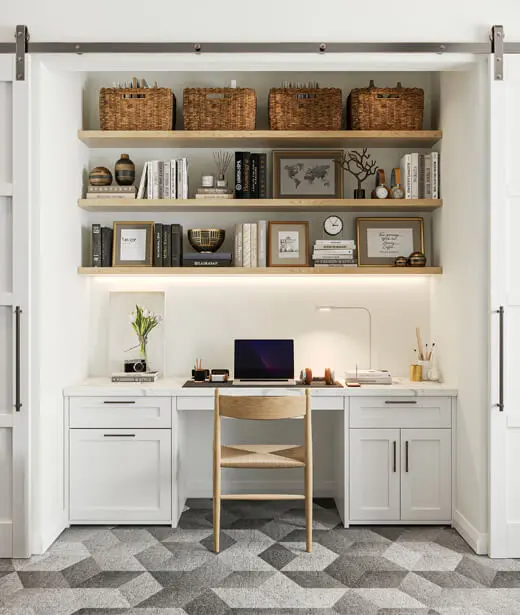
Embedding your desk into cabinetry or existing architecture is one of the most effective ways to furnish a home office—especially in compact spaces. This approach creates a seamless, clutter-free look while maximizing functionality.
Hide the Workspace in Smart Locations
Instead of buying a freestanding desk, consider integrating it into underused areas like:
• Under-stair storage units
• Closet conversions
• Wall-to-wall bookshelves
• Landing spaces between floors
These spots are often overlooked but perfect for a discreet workstation. Add a fold-down desktop, concealed power outlets, and built-in lighting, and you’ve got a fully functional office that disappears when not in use.
Ideal for Small Spaces
A built-in desk with matching cabinetry feels intentional and polished. It keeps cords, files, and office supplies hidden, reducing visual noise. This method is ideal for studio apartments or homes where the office shares space with living areas.
Pro Tip: Use soft-close hinges and under-cabinet lighting for a high-end, user-friendly finish.
Choose a Desk That Matches Your Style
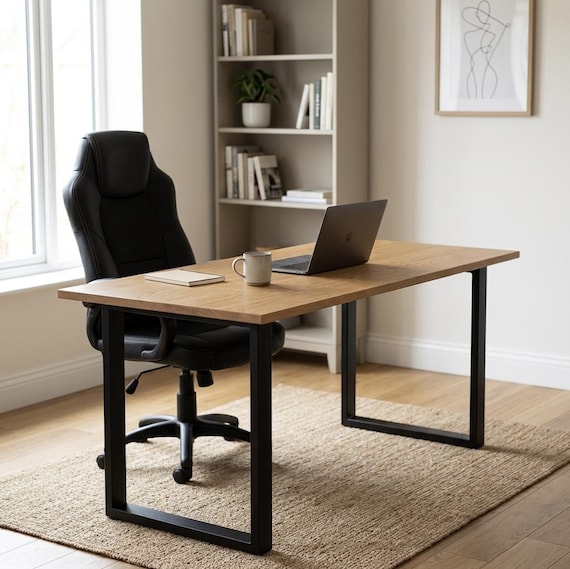
When a built-in isn’t possible, your freestanding desk becomes the centerpiece. The key to furnishing a cohesive home office? Pick a desk that complements your home’s existing design, not clashes with it.
Match Color, Material, and Scale
Treat your desk like living room furniture—because it belongs in your home, not a corporate office. Consider:
| Factor | What to Look For |
|---|---|
| Color | Light oak for warm, Scandinavian interiors; black or charcoal for modern, urban lofts |
| Material | Solid wood tops for organic spaces; metal legs for industrial flair |
| Scale | Slim-profile desks for tight spaces; L-shaped units only if room allows |
Take inspiration from the Sawmill House design: a simple timber desk with black steel legs that blends into a raw, natural interior. It doesn’t scream “office”—it belongs.
Avoid the “Office Store” Look
Skip the bulky, beige cubicle-style desks. They stand out in stylish homes and disrupt the flow. Instead, shop in living room or dining room sections—you’ll find more design-forward, home-friendly options.
Common Mistake: Choosing a desk that’s too large. An oversized desk in a small room kills comfort and focus.
Install a Wall Board for Focus & Inspiration
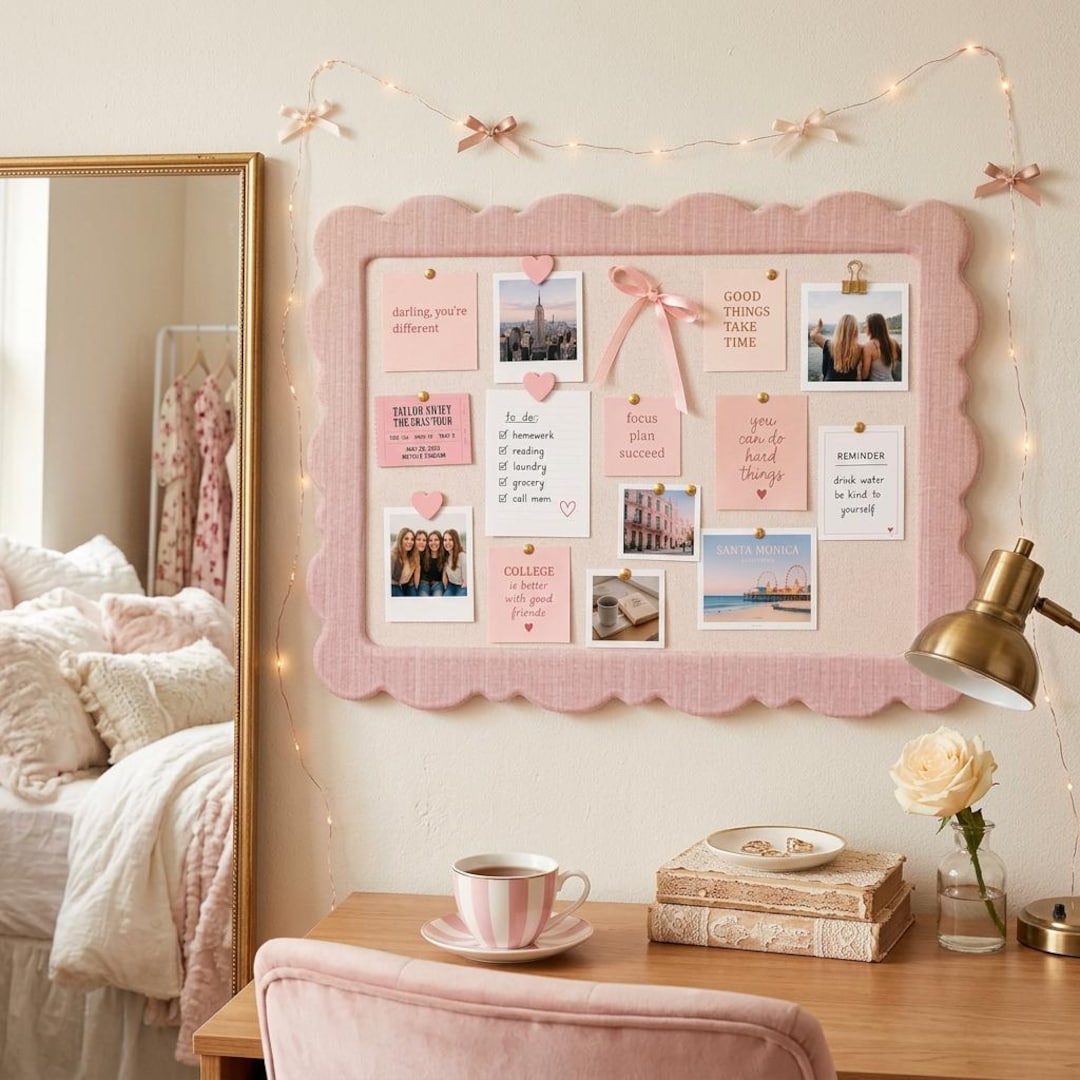
The fastest way to upgrade your home office? Add a wall-mounted board. It’s a low-cost, high-impact change that turns blank walls into dynamic command centers.
Pick the Right Type for Your Vibe
Different boards suit different styles:
• Felt-backed boards: soft, modern, and noise-absorbing (popular in Melbourne homes)
• Corkboards: great for pinning notes, photos, and reminders
• Whiteboards or glass boards: sleek and ideal for brainstorming or daily planning
Mount it behind or beside your desk for easy access.
Use It for More Than Notes
This isn’t just for to-do lists. Use your board to:
• Track monthly goals
• Display a vision board
• Pin up deadlines or calendars
• Rotate motivational quotes
It keeps your mind engaged and your priorities visible—no digital distractions needed.
Expert Note: Frame your board with wood or metal trim to elevate it from utilitarian to designer-grade.
Maximize Vertical Space with Smart Shelving

Your walls are prime real estate. If your desk is cluttered, you’re missing out on vertical storage.
Add Floating Shelves or Open Units
Install shelves above or beside your desk to:
• Store notebooks, files, and supplies
• Display reference books or creative tools
• Hold small plants or decorative objects
This keeps your desktop clear—critical for focus and mental clarity.
Style with Intention
Don’t just stack supplies. Design your shelves like a living room bookshelf:
• Mix open storage with closed bins
• Add greenery (a succulent or trailing pothos)
• Include framed photos or art
• Use matching baskets for hidden clutter
For a modern edge, pair industrial metal brackets with raw timber shelves—perfect for loft or industrial-style homes.
Visual Cue: If your desk surface is covered in pens, papers, and gadgets, you need more vertical storage.
Use Black & White for a Bold, Professional Look

Want a home office that feels powerful and focused? Go bold with black and white. This timeless contrast brings instant sophistication and energy.
Best for Modern or Minimalist Interiors
Black furniture against white walls creates a sharp, editorial feel. Try:
• A black desk with white legs
• White cabinetry with black hardware
• Monochrome artwork or photography
This scheme works especially well in homes with dark, moody palettes or industrial finishes.
Balance with Warm Textures
A stark black-and-white room can feel cold. Soften it with:
• Timber accents (a wooden tray, shelf, or chair)
• Concrete or marble desk accessories
• A plush area rug in neutral tones
• Fresh flowers or green plants
These elements add warmth without diluting the bold aesthetic.
Pro Tip: Use matte finishes to reduce glare and create a more inviting atmosphere.
Opt for Calming Pastels to Reduce Stress
If your work demands long hours or deep concentration, soft pastels may be your best bet. These soothing tones reduce mental fatigue and create a serene environment.
Choose the Right Hues
Stick to muted, earthy pastels:
• Sage green – calming, connected to nature
• Dusty blue – promotes focus and clarity
• Lavender – encourages creativity and relaxation
• Soft grey – neutral, elegant, and timeless
Paint an accent wall, choose pastel furniture, or bring in color through cushions, rugs, or storage boxes.
Avoid Overstimulating Colors
Reds, oranges, and bright yellows may energize, but they can increase anxiety over time. Use them only as small accents—like a red notebook or a yellow lampshade.
Ideal For: Writers, designers, therapists, or anyone working long hours at a screen.
Bring in Nature & Personal Items

A home office shouldn’t feel like a corporate cubicle. To make it truly yours, infuse it with nature and personal meaning.
Prioritize Natural Light
Place your desk near a window whenever possible. Natural light:
• Boosts mood and alertness
• Reduces eye strain
• Regulates your circadian rhythm
Use sheer curtains or adjustable blinds to control glare without blocking light.
Add Indoor Plants
Even one or two plants make a difference. Try:
• Snake plant – low maintenance, purifies air
• ZZ plant – thrives in low light
• Pothos – trails beautifully from shelves
Place them on your desk, floor, or in hanging planters to bring life upward.
Personalize Thoughtfully
Your space should reflect you. Include:
• Photo frames of loved ones or travel memories
• Books that inspire you
• Art or prints that spark joy
• A souvenir from a meaningful trip
These touches make the space feel welcoming, not sterile.
Warning: Avoid clutter. Every personal item should have a purpose or bring joy—nothing more.
Key Takeaways for Furnishing a Functional, Stylish Home Office
Furnishing a home office isn’t a one-time project—it’s an ongoing process of refinement. To keep your space effective and inspiring, follow these practical tips:
1. Test Before You Buy
• Sit at the desk for 10 minutes. Is it comfortable?
• Does the chair support your back? Can you type without hunching?
2. Keep Cords Under Control
• Use cable clips, sleeves, or under-desk trays
• Label chargers and cords for easy identification
3. Update Seasonally
• Swap out decor, artwork, or plants every few months
• Refresh your mood board or goals
4. Maintain Clean Surfaces
• Clear your desk at the end of each day
• Use drawer organizers for pens, paper, and tech
Frequently Asked Questions About How to Furnish a Home Office
What is the best layout for a home office?
Place your desk near natural light, facing the door if possible. Keep frequently used items within arm’s reach and use vertical storage to free up desk space. Avoid placing your back to high-traffic areas for better focus.
How do I furnish a small home office?
Use a compact or wall-mounted desk, integrate storage into cabinetry, and maximize vertical space with shelves. Choose multi-functional furniture and light colors to make the space feel larger.
What furniture is essential for a home office?
At minimum, you need a supportive chair, a functional desk, adequate lighting, and storage for supplies. Optional but helpful: a wall board, filing system, and personal decor.
How can I make my home office look more professional?
Choose furniture that matches your home’s style, use a cohesive color scheme, keep surfaces clear, and add design details like framed art or a stylish rug. Avoid clutter and mismatched accessories.
What colors are best for a home office?
Black and white for bold, professional energy; pastels like sage green or dusty blue for calm and focus. Use warm neutrals or wood tones to balance cooler shades.
How do I hide cords and cables in my home office?
Use cable clips, sleeves, or under-desk trays to bundle cords. Install power strips out of sight and label each cord. Consider desks with built-in cable management.
Final Thoughts on Creating Your Ideal Home Office
Furnishing a home office isn’t about having the most expensive gear or the biggest room. It’s about creating a space that supports your work, reflects your personality, and feels good to be in every day. By integrating your desk into storage, choosing furniture that fits your style, using bold or calming colors wisely, and adding nature and personal touches, you’ll build a workspace that’s as functional as it is inspiring.
Now that you know how to furnish a home office like a designer, it’s time to make it yours. Start small. Pick one tip—like adding a wall board or swapping in a plant—and build from there. Your perfect workspace is closer than you think.



