
Moving your office can disrupt workflows, delay projects, and strain team morale—if not managed well. Knowing how to coordinate an office move effectively is essential to minimizing downtime and keeping operations running smoothly. A well-executed relocation isn’t just about transporting furniture; it’s a strategic process that involves planning, communication, and attention to detail across departments.
This guide walks you through every critical phase of coordinating an office move, from forming your move team to post-move follow-up. You’ll learn how to create a realistic timeline, manage IT transitions, pack efficiently, and keep employees engaged. Whether you’re moving across town or expanding into a larger space, these actionable steps will help you execute a seamless office relocation.
Assemble a Dedicated Office Move Team
Define Leadership and Departmental Roles
Start by appointing a Move Manager—someone with strong project management skills who can oversee logistics, budgets, and communication. This person acts as the central point of contact and decision-maker throughout the process.
Recruit Floor Captains from each department to represent their teams. These individuals will coordinate packing, answer team-specific questions, and ensure workstations are set up correctly in the new space.
Include key stakeholders from IT, HR, Facilities, and Admin in your core team. Each should have clearly defined responsibilities, such as managing data migration, updating employee records, or arranging utilities. Maintain a shared document with names, roles, and contact details to ensure accountability.
Develop a Realistic Office Move Timeline

Begin Planning 3 to 6 Months in Advance
Timing is crucial when learning how to coordinate an office move. Start planning 12 to 24 weeks before your target move date to allow time for decision-making, vendor coordination, and employee preparation.
Break your timeline into clear phases:
– Weeks 1–4: Confirm lease, form move team, set budget
– Weeks 5–8: Finalize floor plan, order supplies, notify service providers
– Weeks 9–12: Pack non-essential items, test IT systems
– Weeks 13–16: Execute move, set up workstations, conduct post-move review
Include buffer days for unexpected delays—such as late deliveries or permit issues—to avoid last-minute stress.
Build a Comprehensive Office Relocation Budget
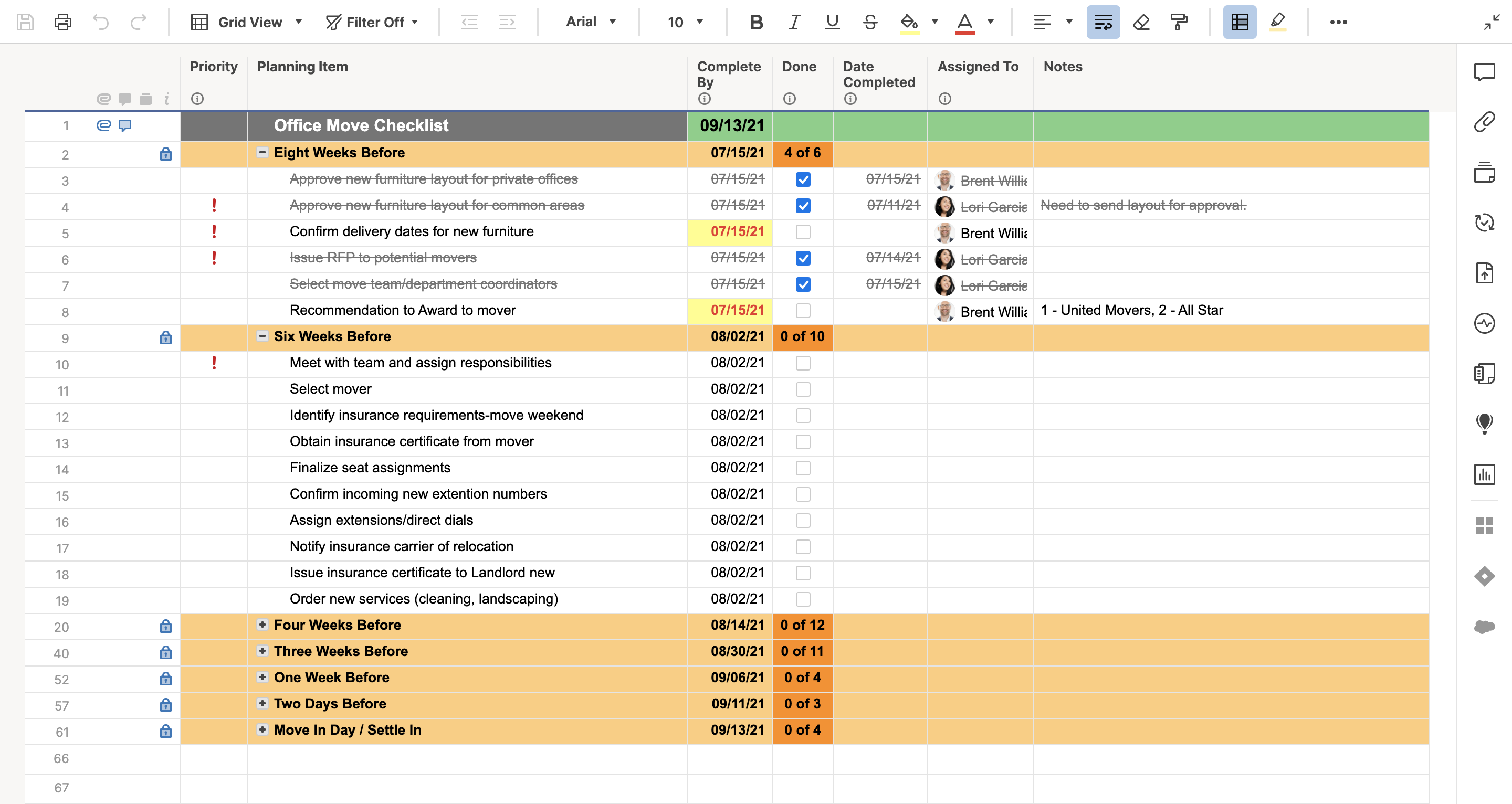
Account for All Direct and Hidden Costs
A successful move starts with a detailed budget. Common expenses include:
– Commercial moving company fees
– Office furniture or build-out costs
– IT infrastructure upgrades (networking, cabling, phones)
– Packing materials (boxes, tape, labels)
– Employee incentives or meal stipends
– Address updates (signage, licenses, mail forwarding)
Set aside 10–15% of the total budget for unforeseen expenses. Get quotes from at least three moving companies and negotiate pricing based on volume or bundled services.
Track all spending in a centralized spreadsheet to stay within budget and justify costs to leadership.
Communicate Early with Employees and Clients
Keep Stakeholders Informed and Engaged
Announce the office move as soon as the decision is final. Send a company-wide email with the new address, move date, and expected impact on operations.
Host a team meeting or virtual Q&A session to address concerns. Share regular updates via email or an internal portal to maintain transparency.
For external stakeholders:
– Update your website and email signatures
– Change voicemail greetings
– Notify clients, vendors, and partners in advance
Don’t forget to update legal and financial contacts—banks, insurers, tax agencies—to prevent disruptions in billing or compliance.
Design an Efficient New Office Layout

Optimize for Workflow and Collaboration
Use the new space’s floor plan to design a functional layout. Involve department heads to ensure their teams’ needs are met—whether it’s open areas for collaboration or quiet zones for focused work.
Label workstations, meeting rooms, and departments clearly on the digital plan. Share this with employees early so they know where they’ll be seated.
If adopting a hot-desking or hybrid model, introduce the policy before the move and provide training on desk booking tools to reduce confusion.
Pack by Department Using a Color-Coding System

Organize Boxes to Prevent Post-Move Chaos
Avoid disorganization by dividing the office into zones—such as departments or floors—and assigning each a color. Use color-coded labels on boxes to match them to rooms in the new office.
Provide each team with:
• Pre-numbered moving boxes
• Color-coded labels and markers
• Packing tape and cushioning materials
• A packing checklist and instructions
Encourage employees to pack personal items first and clearly mark boxes with contents and destination. Begin packing non-essential items 2–3 weeks before the move, ideally after business hours.
Migrate IT Systems Without Downtime
Protect Data and Maintain Connectivity
IT infrastructure must be handled with precision. Work with your IT lead or managed service provider to create a migration plan that minimizes disruption.
Critical steps include:
1. Take a full inventory of all devices (computers, monitors, phones, printers)
2. Label all cables and equipment before disassembly
3. Back up all data and verify cloud access
4. Test network, Wi-Fi, and phone systems in the new office before moving day
Schedule the IT move for the night before or early morning of relocation. This ensures systems are ready when employees arrive.
Hire a Professional Office Moving Company
Choose a Vendor Specializing in Commercial Moves
DIY moves may seem cost-effective, but professional movers bring experience, equipment, and insurance. Select a company with proven experience in office relocations, not just residential moves.
Verify they offer:
• Furniture disassembly and reassembly
• Floor protection to prevent damage
• Secure handling of electronics and servers
• Full insurance coverage
Sign a detailed contract outlining services, timeline, and costs. Confirm all details 48 hours before moving day to avoid surprises.
Execute a Phased Office Move When Possible
Reduce Disruption with Staged Relocations
If your business can operate with partial staffing, consider a phased move over several days:
– Day 1: IT and facilities team moves first to set up infrastructure
– Day 2: Leadership and administrative staff relocate
– Day 3: Sales and marketing teams move
– Day 4: Customer support and operations transition
This approach allows IT to configure workstations in batches and reduces strain on networks and support.
If a full move is required, schedule it over a weekend to minimize downtime and aim for full operation by Monday morning.
Set Up Workstations in Order of Priority
Get Critical Functions Running First
On move-in day, focus on essential areas. The IT team should prioritize:
• Internet and Wi-Fi access
• Email and phone systems
• Printers and shared drives
• Security access and badge systems
Next, set up break rooms, restrooms, and reception. These impact employee comfort and client impressions.
Use the pre-approved floor plan to place furniture and labeled boxes in the correct rooms. This reduces confusion and speeds up setup.
Conduct a Post-Move Debrief and Feedback Session
Identify Issues and Document Lessons Learned
Within the first week, send employees a short survey asking about:
• Ease of transition
• IT performance
• Workspace comfort
• Building amenities
Address urgent issues immediately—like missing equipment or login problems.
Hold a debrief meeting with the move team. Document what worked well and what could be improved. Save this report for future relocations.
Update Your Business Address Across All Platforms
Ensure Consistency in Legal and Digital Channels
After the move, update your address everywhere:
• Google Business Profile
• Website contact page
• Social media profiles
• Domain registration (WHOIS)
• Chamber of commerce and vendor records
Set up mail forwarding with USPS for 3–6 months. Assign a team member to monitor the old address and redirect important correspondence.
Support Employee Morale During the Transition

Acknowledge the Human Impact of Relocation
Moving offices can be stressful. Show appreciation by hosting a welcome breakfast, providing lunch on the first day, or giving small welcome gifts.
Create a “New Office Scavenger Hunt” or “Bingo Card” with tasks like “find the fire extinguisher” or “meet someone from another team” to encourage exploration and connection.
Celebrate the move as a milestone that reflects your company’s growth and future success.
Frequently Asked Questions About Office Moves
How far in advance should I start planning an office move?
Begin planning 12 to 24 weeks before your target move date. This allows time to form a team, create a budget, notify stakeholders, and coordinate logistics without rushing.
Who should be on the office move team?
Include a Move Manager, department representatives (Floor Captains), and key staff from IT, HR, Facilities, and Admin. Each should have specific responsibilities to ensure full coverage.
How can I minimize downtime during an office relocation?
Schedule the move over a weekend, use a phased approach, and have IT set up systems the night before. Prioritize critical functions like internet, email, and phones on move-in day.
What should employees pack before the office move?
Employees should pack personal items, desk accessories, and non-essential documents. Provide clear instructions on what to pack, how to label boxes, and deadlines for completion.
How do I update my business address after moving?
Update your address on Google Business, your website, social media, domain registration, and with vendors, banks, and government agencies. Set up mail forwarding for 3–6 months.
How do I keep employees engaged during the move?
Communicate regularly, host Q&A sessions, and recognize team efforts. Offer welcome meals, small gifts, or fun activities like a scavenger hunt to boost morale.
Key Takeaways for Coordinating a Smooth Office Move
Successfully learning how to coordinate an office move comes down to early planning, clear roles, and consistent communication. Build a strong move team, create a detailed timeline and budget, and involve employees at every stage. Prioritize IT setup, use color-coded packing, and consider a phased move to reduce disruption.
After the relocation, gather feedback, update your address everywhere, and celebrate the transition. With the right strategy, your office move can be a positive step forward for your business—setting the stage for growth, collaboration, and a stronger workplace culture.



