
An office kitchen is more than just a place to grab a snack or brew coffee—it’s a hub for connection, productivity, and employee well-being. When done right, a well-designed office kitchen can boost morale, encourage collaboration, and reduce time wasted running errands. But without proper planning, it can become an underused or even messy space. Whether you’re setting up a kitchen in a startup, corporate office, or co-working environment, this guide walks you through every step—from layout and appliance selection to budgeting and maintenance.
By the end, you’ll know exactly how to create a functional, inviting, and efficient office kitchen that employees actually want to use.
Plan Your Layout and Space for Maximum Efficiency
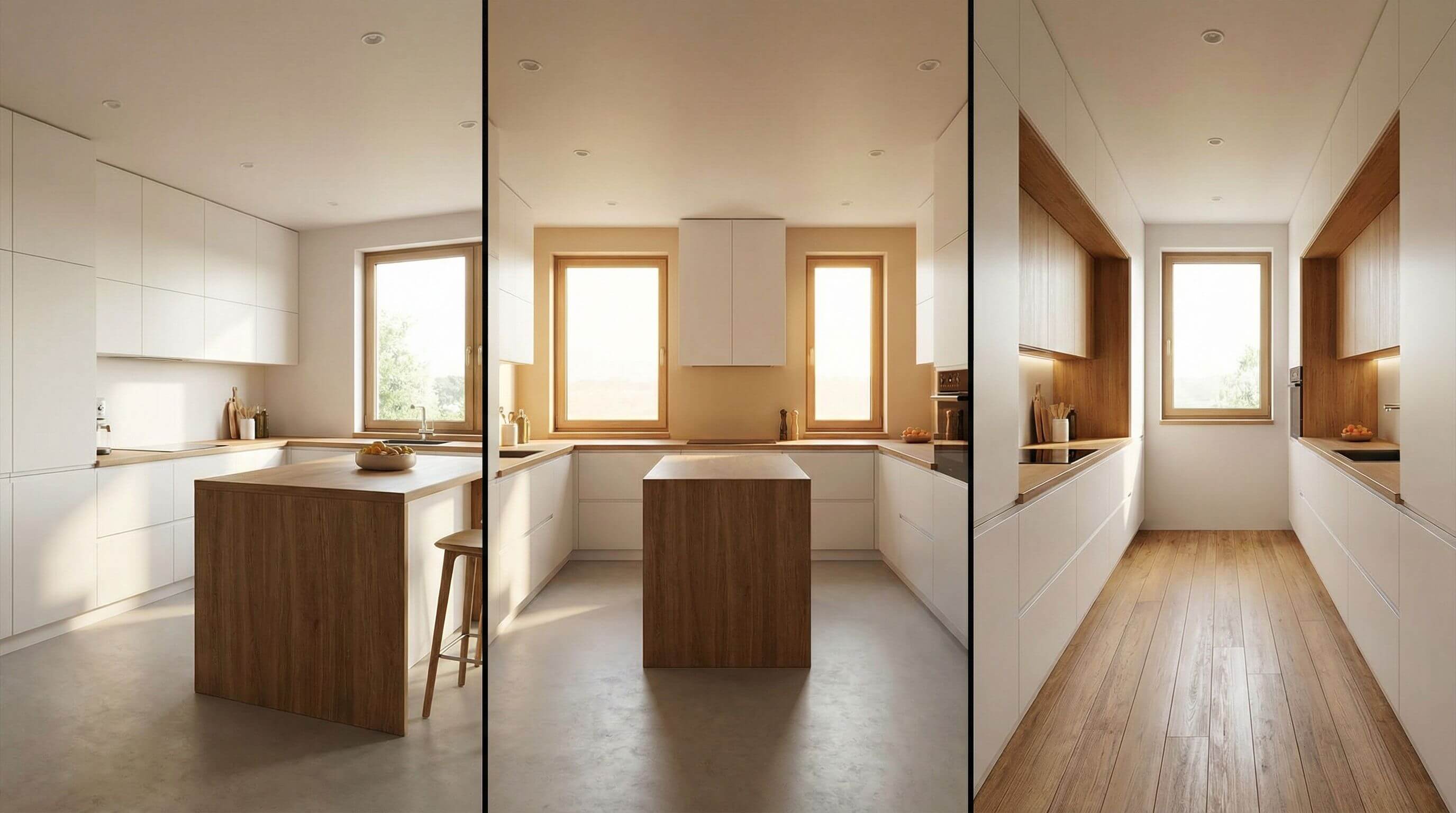
A smart layout sets the foundation for a kitchen that works. Even in tight areas, strategic design improves flow, prevents congestion, and makes daily use seamless.
Measure Your Available Square Footage First
Start by measuring the kitchen’s dimensions, including door swings and nearby walkways. Identify electrical outlets, plumbing access, and HVAC vents. For basic functionality, aim for at least 50–75 sq. ft. A galley-style layout fits narrow spaces, while L-shaped or U-shaped designs maximize larger rooms.
Divide the Kitchen Into Functional Zones
Break the space into dedicated zones to streamline use:
• Prep zone: Countertop near sink and appliances for food prep
• Storage zone: Cabinets, shelves, or pantry for supplies
• Appliance zone: Fixed spots for fridge, microwave, coffee maker
• Dining zone: Table, chairs, or counter with stools for eating
This zoning improves efficiency and reduces clutter.
Follow ADA Guidelines for Accessibility
Even if not legally required, ADA-compliant design benefits everyone. Key requirements include:
• 30” x 48” clear floor space in front of appliances
• Countertops no higher than 34”
• Storage below 48” for easy reach
Designing inclusively ensures all employees can use the space comfortably.
Choose the Right Appliances for Your Team Size
The best office kitchen appliances balance performance, durability, and ease of cleaning. Match your choices to how many people will use the space.
Pick a Refrigerator Based on Team Size
Select fridge capacity by headcount:
• 5–10 people: Compact 3–4 cu. ft. model
• 10–20 people: Mid-size 5–7 cu. ft.
• 20+ people: Full-size or dual refrigerators
Place it near the prep zone with 2” side clearance for ventilation. Choose spill-proof glass shelves and adjustable interiors for easy cleanup.
Select a Coffee Maker That Handles Office Demand
Coffee is the most-used appliance. Options include:
• 12-cup drip brewer: Affordable for small teams
• Thermal carafe model: Stays hot without burning
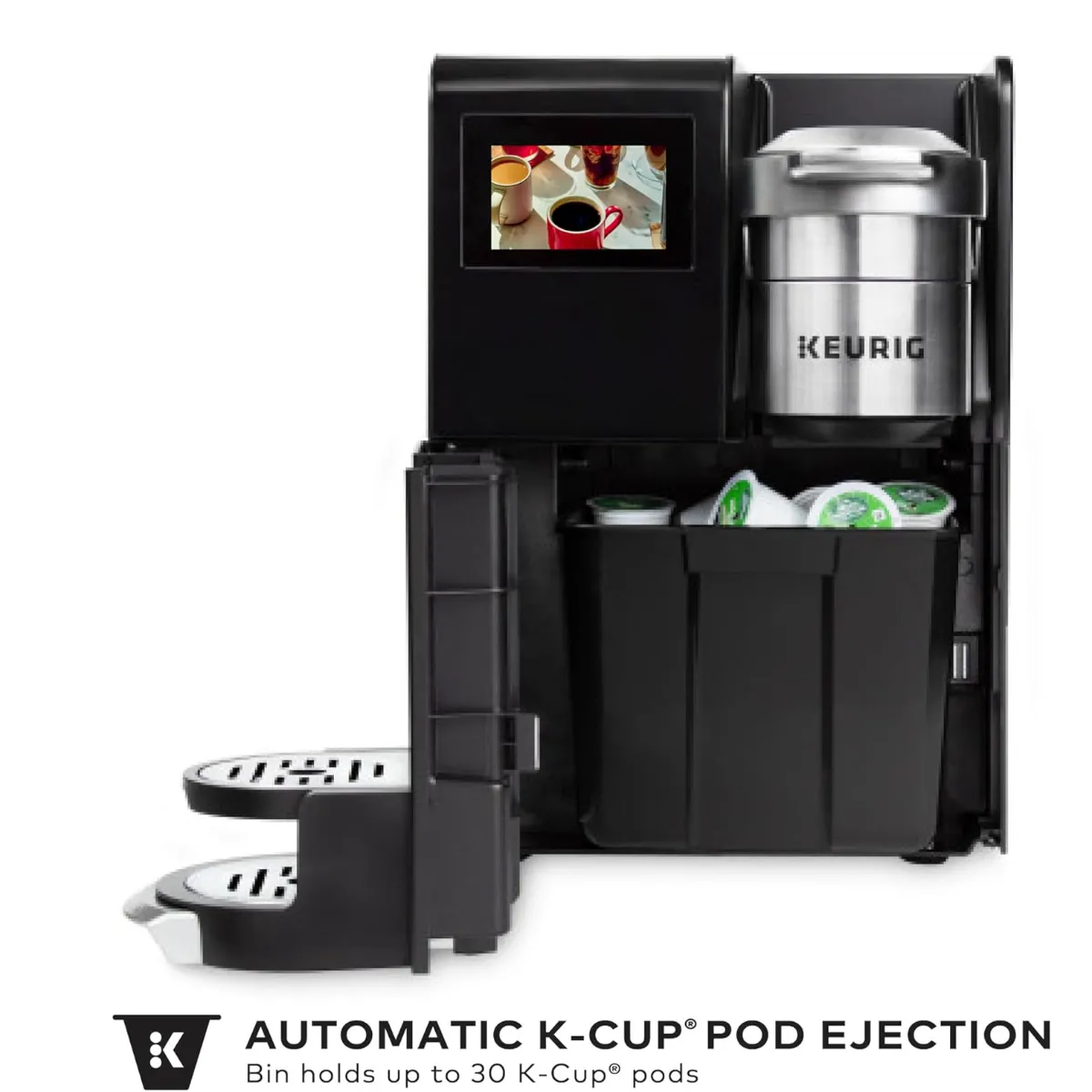
• Commercial pod machine (e.g., Keurig K-Café): Offers variety
• Espresso machine: Ideal for larger or premium offices
Add a hot water dispenser if tea is popular.
Pair a Microwave With a Toaster Oven
A 1.0–1.5 cu. ft. microwave with a turntable handles most reheating. Look for sensor cooking, quiet operation, and an easy-clean interior. Pair it with a toaster oven instead of a basic toaster—it’s better for bagels, small meals, and frozen foods.
Stock the Kitchen With Essential Supplies
A fully stocked office kitchen reduces frustration and shows employees they’re valued. Keep supplies consistent and easy to access.
Maintain a Core List of Must-Have Items
Always have these basics available:
• Coffee (regular and decaf), tea, creamer, sugar
• Reusable and disposable cups, plates, utensils
• Napkins, paper towels, dish soap
• Cleaning supplies (spray, sponges, gloves)
• Dish rack or dishwasher (if space allows)
Offer eco-friendly options to support sustainability.
Label Personal and Shared Items Clearly
Prevent food theft and confusion with:
• Labeled shelves or bins for personal items
• Clear signage for shared supplies
• Posted policy: “Remove food after 3 days”
Color-coded containers or name tags help maintain order.
Add Small Touches That Improve Employee Experience
Boost morale with thoughtful extras:
• Fresh fruit bowl
• Healthy snacks (nuts, granola bars)
• Water dispenser or flavored water station
• Plants or artwork
These details signal that comfort matters.
Design a Cleaning System That Actually Works
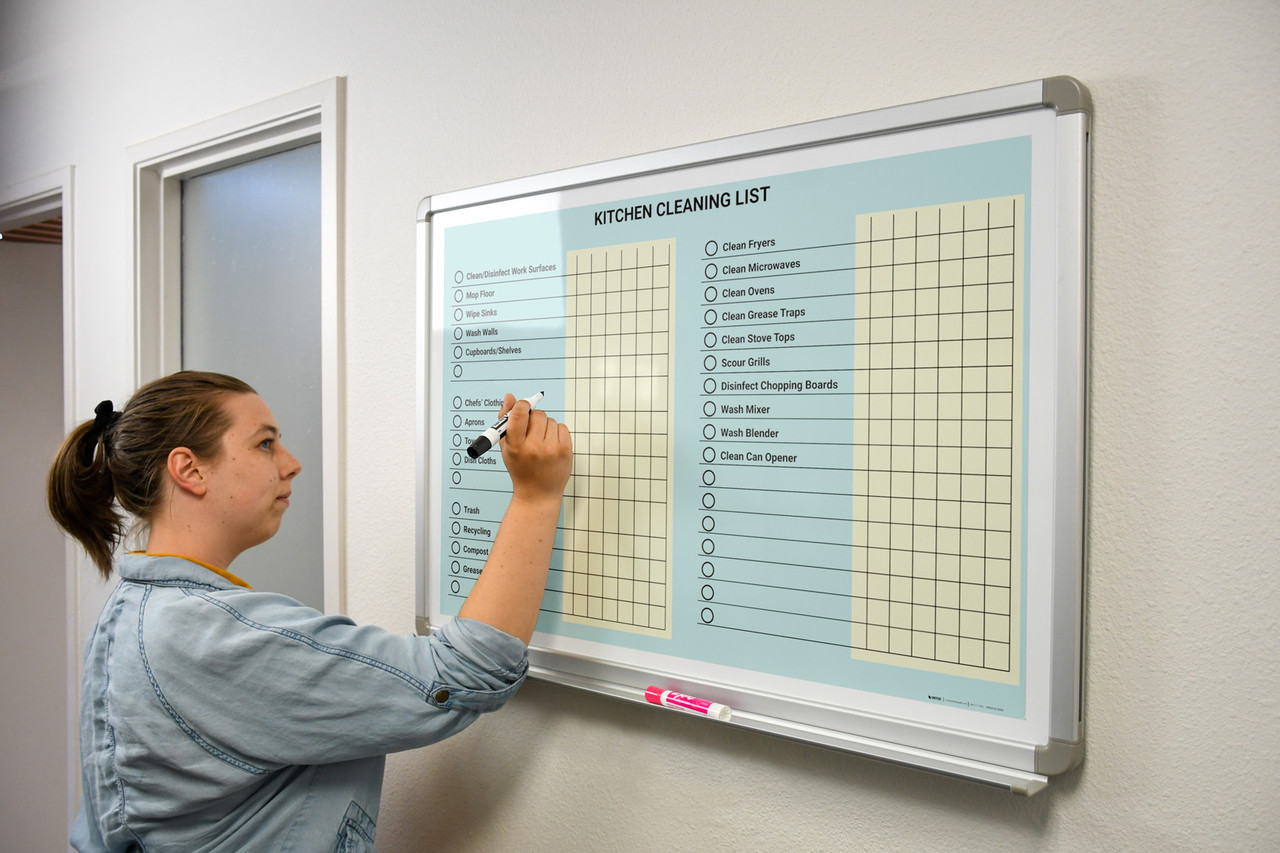
A dirty kitchen deters use fast. Build habits and systems that keep the space clean and hygienic.
Create a Daily and Weekly Cleaning Schedule
Assign recurring tasks:
• Daily: Wipe counters, empty trash, clean microwave
• Weekly: Sanitize fridge, mop floor, restock paper goods
• Monthly: Deep clean appliances, check expiration dates
Use a shared digital checklist or whiteboard to track progress.
Prevent Common Kitchen Problems
Stop issues before they start:
• Place absorbent mats under coffee makers to catch spills
• Use fridge odor absorbers
• Install dual bins (trash + recycling) with foot pedals
• Post simple cleaning steps near each appliance
Proactive fixes reduce mess and complaints.
Encourage Employee Accountability
Foster a culture of respect:
• Post clear rules: “Wipe your mess”
• Recognize tidy teams or departments
• Rotate kitchen monitor roles monthly
Peer accountability is more effective than top-down enforcement.
Prioritize Safety and Universal Accessibility
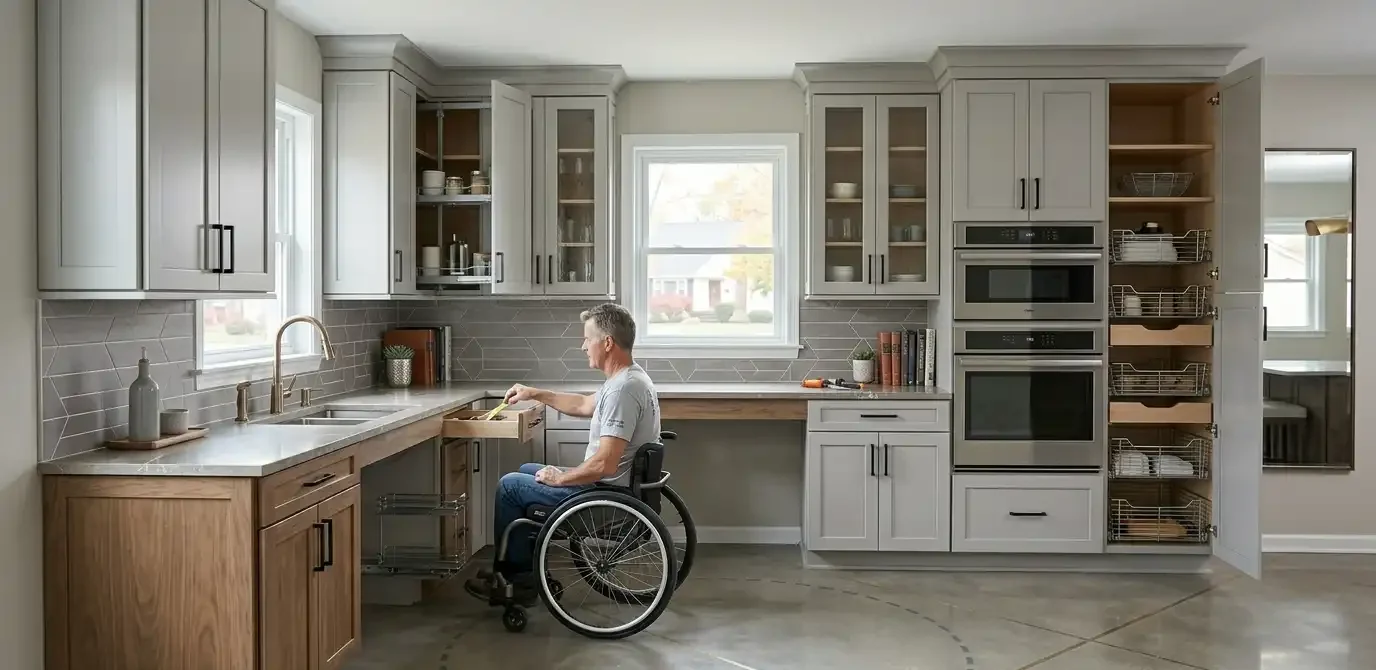
A safe, inclusive kitchen prevents accidents and ensures everyone can use it comfortably.
Follow Electrical and Fire Safety Rules
Avoid hazards by:
• Using surge-protected power strips
• Keeping cords away from water
• Never daisy-chaining extension cords
Keep a Class K or ABC fire extinguisher visible and accessible.
Reduce Slips, Burns, and Other Hazards
Minimize risks with:
• Non-slip flooring or mats
• Hot appliances placed away from high-traffic paths
• “Hot Surface” warnings on microwaves and ovens
• Bright lighting for safe food prep
Safety starts with smart placement.
Make the Kitchen Usable for Everyone
Go beyond minimum ADA standards:
• Offer left-handed-friendly tools
• Label cabinets in high-contrast text or braille
• Provide insulated mugs and easy-grip utensils
Inclusive design improves the experience for all.
Budget Smartly for Setup and Ongoing Costs
You don’t need a big budget to build a great office kitchen. Plan for both startup and recurring expenses.
Estimate Initial Setup Costs
Typical one-time purchases:
• Refrigerator: $300–$800
• Coffee maker: $100–$400
• Microwave: $80–$200
• Countertops and cabinetry: $200–$1,000
• Sink and faucet: $150–$400
Total startup cost: $800–$2,500, depending on size and quality.
Project Monthly Supply Expenses
Recurring costs to expect:
• Coffee and tea: $50–$150
• Snacks and fruit: $100–$300
• Paper goods and cleaning supplies: $50–$100
Monthly total: $200–$550, scalable by team size.
Save Money Without Sacrificing Quality
Cut costs wisely:
• Buy coffee and paper goods in bulk
• Choose ENERGY STAR-rated appliances
• Use prefab or repurposed cabinetry
• Let employees contribute via an opt-in fee
Smart choices stretch your budget.
Add Tech and Sustainability Upgrades
Modern offices can use technology and eco-features to boost efficiency and reduce waste.
Use Smart Appliances When Possible
Upgrade selectively:
• Smart fridge: Sends low-supply alerts and tracks expirations
• Touchless faucet: Improves hygiene
• App-connected coffee maker: Schedules brew times
These are optional but valuable in tech-forward workplaces.
Display Digital Rules and Gather Feedback
Use a tablet or screen to:
• Show cleaning schedules and kitchen rules
• Share healthy recipe ideas
• Collect anonymous feedback: “What snack should we add?”
Engagement increases when employees feel heard.
Build in Eco-Friendly Features
Reduce environmental impact:
• Install a water filter instead of bottled water
• Add compost bins for food waste
• Offer reusable dishware with a washing station
Highlight these efforts in company culture updates.
Troubleshoot Common Office Kitchen Problems
Even the best kitchens face issues. Be ready to fix them fast.
Fix the “No One Cleans Up” Problem
Assign rotating kitchen stewards and post a visible checklist. Recognize the cleanest team each week to encourage accountability.
Stop Supplies from Disappearing Too Fast
Track usage, set limits (e.g., one snack per person per day), or use an honor-system payment box for premium items.
Eliminate Fridge Odors and Mess
Clean monthly, use labeled containers, and ban strong-smelling foods like fish or durian.
Prevent Coffee Machine Breakdowns
Switch to a commercial-grade model, descale every 3 months, and train staff on proper use.
Key Takeaways for Setting Up an Office Kitchen
Creating a successful office kitchen starts with smart planning and ends with consistent maintenance. Focus on a functional layout, the right appliances for your team size, and a well-stocked, clean environment. Prioritize accessibility, safety, and sustainability to make the space welcoming for everyone. Small touches—like fresh fruit or a coffee schedule—can significantly boost employee satisfaction.
Start small if needed, then scale based on feedback. The goal isn’t perfection—it’s creating a space your team enjoys using every day.
Frequently Asked Questions About Setting Up an Office Kitchen
What is the minimum space needed for an office kitchen?
Aim for at least 50–75 sq. ft. to fit essential appliances and allow movement. Galley layouts work well in narrow spaces, while L-shaped designs suit larger areas.
What appliances are essential in an office kitchen?
At minimum, include a refrigerator, coffee maker, microwave, and sink. For larger teams, add a toaster oven, dishwasher, or hot water dispenser.
How can we keep the office kitchen clean?
Create a cleaning schedule with daily, weekly, and monthly tasks. Assign rotating stewards, post rules, and use labeled bins to encourage accountability.
How much does it cost to set up an office kitchen?
Startup costs range from $800–$2,500 depending on size and quality. Monthly supply costs run $200–$550, including coffee, snacks, and cleaning items.
How do you prevent food theft in the office fridge?
Label shelves with names or departments, post a clear policy, and remove unmarked food weekly. A three-day rule helps reduce clutter and confusion.
Should we allow personal food in the office kitchen?
Yes, but designate specific shelves or bins for personal items. Clearly label shared vs. personal zones to avoid conflicts and maintain hygiene.



