Choosing the right office furniture can make or break your workday. Whether setting up a new workspace or upgrading an existing one, the furniture you select directly impacts comfort, productivity, and even employee well-being. With countless styles, materials, and price points available, knowing how to choose office furniture can feel overwhelming. But with a clear strategy, you can find pieces that balance function, durability, and design.
Most people focus only on appearance or cost—ignoring ergonomics, space efficiency, and long-term value. The best office furniture supports healthy posture, adapts to changing needs, and enhances workflow. This guide walks you through every critical factor, from measuring your space to evaluating materials and sustainability. You’ll learn how to avoid common mistakes and invest in furniture that lasts—without overspending.
Measure Your Office Space Before Buying Anything
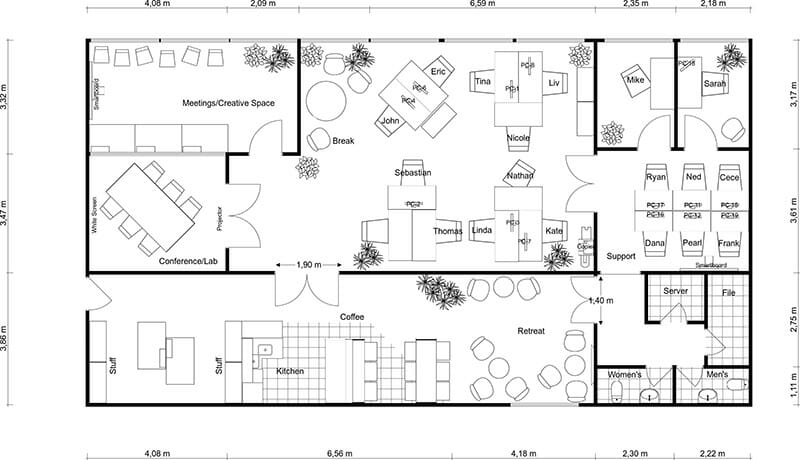
Before purchasing any furniture, you need to understand the exact dimensions and layout of your workspace. Choosing oversized or poorly placed items can lead to congestion, reduced mobility, and inefficient use of space.
Record Exact Room Dimensions
Use a tape measure to note the length, width, and ceiling height of your office. Pay attention to fixed elements like doors, windows, electrical outlets, and HVAC vents. These will influence where you can safely place desks, cabinets, or seating. Always leave at least 30 inches of clearance around workstations for comfortable movement.
Map Out Walking Paths and Access Points
Identify high-traffic zones and ensure furniture doesn’t block door swings or hallway access. In shared offices, position desks so employees can move freely without disturbing others. Avoid placing chair swivel zones in walkways to prevent accidents.
Optimize Small Offices with Space-Saving Furniture
If square footage is limited, prioritize multi-functional designs:
• Desks with built-in drawers or shelves
• Wall-mounted fold-down desks
• Nesting side tables that tuck away when not in use
• Height-adjustable desks that double as standing stations
These choices maximize utility while maintaining an open, uncluttered feel.
Pick Ergonomic Furniture to Prevent Injury and Boost Focus
Poorly designed furniture leads to back pain, neck strain, and fatigue. Investing in ergonomics improves posture, reduces discomfort, and increases concentration during long work hours.
Choose an Adjustable Office Chair with Proper Support
Your chair is the most important piece of office furniture. Look for models with:
• Lumbar support that fits the natural curve of your spine
• Seat height adjustable so your feet rest flat on the floor
• Armrests that support elbows at a 90-degree angle
• Breathable mesh or fabric to reduce sweating
Sit in the chair for at least 10 minutes before buying. Test tilt tension and seat depth adjustments if available.
Use Sit-Stand Desks to Reduce Sedentary Time
Standing desks improve circulation and reduce the health risks of prolonged sitting. Choose options with:
• Smooth electric or crank-based height adjustment
• Sturdy frame that doesn’t wobble under load
• Memory presets for multiple users
If a full standing desk isn’t feasible, consider a desktop riser that fits over your current desk.
Set Up Your Desk to Prevent Strain
Align your workstation correctly to avoid repetitive stress injuries:
• Position the top of your monitor at or slightly below eye level
• Keep your keyboard close enough to maintain neutral wrist posture
• Place your mouse within arm’s reach, next to the keyboard
This setup minimizes strain on your neck, shoulders, and hands.
Match Furniture to Job Roles and Work Styles
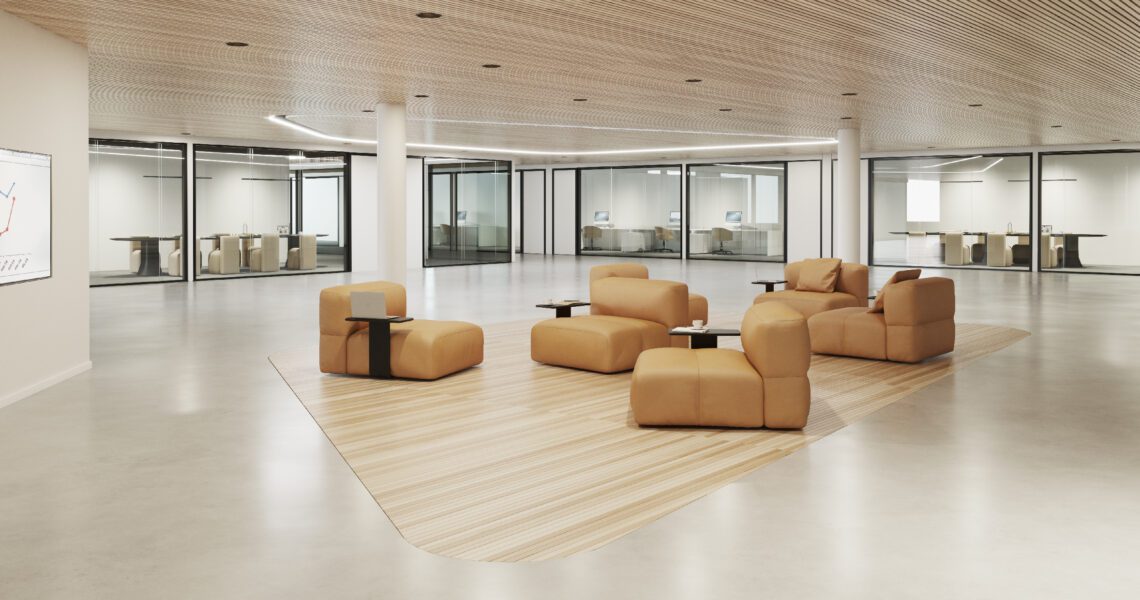
Not all jobs need the same setup. Tailor your furniture choices to the specific tasks performed in each space.
Design Flexible Zones for Creative Teams
Creative professionals benefit from adaptable environments. Use:
• Modular desks that can be reconfigured
• Mobile whiteboards and writable walls
• Lounge seating for informal meetings
This encourages collaboration and supports dynamic project workflows.
Equip Remote Workers with Compact, Portable Furniture
Home offices often share space with living areas. Prioritize:
• Foldable or wall-mounted desks
• Lightweight chairs that are easy to move
• Minimalist storage like rolling carts
These options maintain functionality without dominating small rooms.
Optimize for Repetitive or Administrative Tasks
For roles involving data entry or customer service, focus on:
• Deep drawers for filing documents
• Durable, scratch-resistant desktop surfaces
• Task lighting to reduce eye strain
Efficiency and organization are key for high-volume work.
Check Material Quality to Ensure Longevity

Low-cost furniture often uses thin materials that degrade quickly. Choosing durable components saves money over time and reduces waste.
Compare Desk Surface Materials
| Material | Pros | Cons |
|---|---|---|
| Solid Wood | Long-lasting, elegant finish | Heavy, expensive |
| Plywood | Stable, mid-range price | Less durable than solid wood |
| Laminate | Resistant to scratches | Can peel or chip over time |
| Metal | Industrial strength, modern look | Can feel cold or harsh |
Select based on your budget, usage frequency, and aesthetic goals.
Inspect Frame and Joint Construction
Examine how furniture is assembled:
• Drawers should have dovetail or mortise-and-tenon joints
• Frames should be secured with screws, not staples or glue
• Gently shake the piece—excessive wobble indicates poor build quality
Well-made furniture should feel solid and operate smoothly.
Test Upholstery and Finish Durability
For chairs and fabric-covered items:
• Run your fingers over the material to check for snags
• Wipe the surface with a damp cloth to test stain resistance
• Avoid pieces with strong chemical smells—this may signal off-gassing
Choose low-VOC finishes and commercial-grade fabrics for better health and longevity.
Calculate Long-Term Value, Not Just Upfront Cost
The cheapest option often costs more in replacements and lost productivity. Focus on total cost of ownership.
Estimate Cost Per Day of Use
Divide the purchase price by the number of days you expect to use it. A $300 chair lasting five years costs about $0.16 per day. A $150 chair replaced every 18 months ends up costing more over time and disrupts workflow.
Review Warranty Coverage and Service Options
Look for brands offering 5–10 year warranties on frames, mechanisms, and hydraulics. Check:
• What components are covered
• Whether replacement parts are available
• If the company provides repair or support services
A strong warranty reflects confidence in product quality.
Buy from Trusted Suppliers with Clear Policies
Stick to reputable retailers or manufacturers with:
• Verified customer reviews
• Transparent return and delivery terms
• Assembly or installation services
Avoid unknown sellers offering steep discounts—quality and safety may be compromised.
Design a Cohesive and Professional Office Aesthetic
Your furniture should reflect your brand identity and create a welcoming, focused environment.
Stick to a Unified Color Palette
Limit your scheme to 2–3 main colors. Neutrals like gray, black, or beige create a clean backdrop. Add personality with accent colors in cushions, rugs, or artwork.
Align Furniture Style with Company Brand
A law firm might choose rich wood tones and leather seating for a traditional look. A tech startup could opt for sleek metal desks and bold-colored chairs. Let your industry and culture guide your choices.
Mix Trendy and Timeless Pieces
Avoid going all-in on passing trends. Combine modern elements with classic designs so your office stays fresh without needing constant updates.
Prioritize Sustainability and Indoor Air Quality

Eco-conscious furniture choices benefit both the environment and employee health.
Select Environmentally Friendly Materials
Look for:
• FSC-certified wood (ensures responsible forestry)
• Recycled metal or plastic components
• Cushioning made from plant-based or low-emission foams
These reduce environmental impact and support green certifications.
Look for GREENGUARD Certification
This label means the furniture emits minimal volatile organic compounds (VOCs). It’s especially important for offices with poor ventilation or sensitive individuals.
Support Ethical and Local Manufacturers
Buying locally reduces shipping emissions. Ethically produced furniture often features better craftsmanship and fair labor practices.
Plan Delivery, Assembly, and Setup Carefully
Even the best furniture fails if it arrives damaged or can’t fit through your door.
Confirm Delivery and Assembly Details
Ask:
• Will items arrive pre-assembled or flat-packed?
• Is there a delivery fee or time window?
• Can large pieces fit through stairwells, elevators, or doorways?
Measure tight spaces in advance to avoid surprises.
Schedule Setup During Low-Activity Hours
Coordinate delivery when staff are available to assist. Avoid peak work times to minimize disruption and ensure proper placement.
Keep Packaging Until Inspection Is Complete
Don’t throw away boxes or foam inserts until you’ve:
• Checked for shipping damage
• Assembled and tested all functions
• Verified all parts are included
This makes returns or claims easier if issues arise.
Key Takeaways for Choosing Office Furniture That Lasts
Selecting the right office furniture requires more than just picking what looks good. Focus on measuring your space accurately, prioritizing ergonomic design, and matching furniture to specific job needs. Invest in high-quality materials and construction—even if the upfront cost is higher—because durable pieces save money and reduce waste over time.
Start with essential items like chairs and desks, then add storage and accessories. Test furniture in person when possible, and always check warranties and return policies. With smart planning, you can create a workspace that’s comfortable, efficient, and built to evolve with your needs.
Frequently Asked Questions About How to Choose Office Furniture
What is the most important factor when choosing office furniture?
Ergonomics is the top priority. Poorly designed chairs and desks can lead to back pain, wrist strain, and fatigue. Always select adjustable, supportive furniture that promotes healthy posture and movement.
How do I choose office furniture for a small space?
Opt for multi-functional, space-saving designs like wall-mounted desks, foldable tables, and furniture with built-in storage. Use vertical space with shelves and keep floor pathways clear to maintain an open feel.
What materials last the longest in office furniture?
Solid wood, commercial-grade metal, and high-pressure laminate are the most durable. Look for dovetail joints in drawers and screw-based frame assembly for long-term stability.
Are standing desks worth the investment?
Yes, for most users. Standing desks reduce sedentary time, improve circulation, and can boost energy levels. Even a desktop riser can provide benefits if a full desk isn’t feasible.
How can I make sure office furniture is safe and healthy?
Choose low-VOC finishes and GREENGUARD-certified products to reduce indoor air pollution. Avoid strong chemical odors, and ensure fabrics are stain-resistant and easy to clean.
Should I buy office furniture online or in-store?
Buy in-store if you can test comfort and build quality. If shopping online, choose retailers with strong reviews, clear return policies, and assembly support to reduce risk.