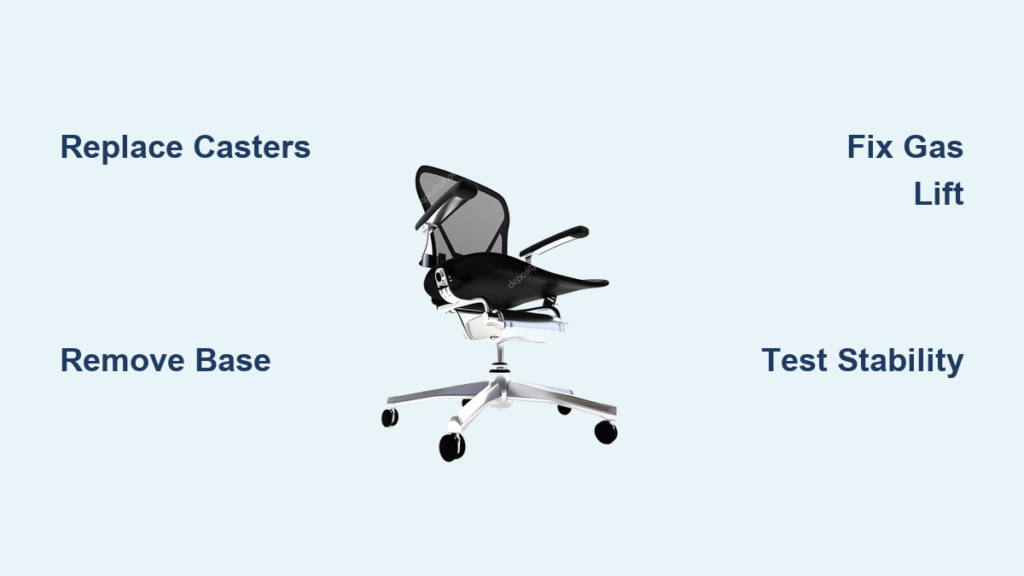
Is your office chair sitting too low, wobbling, or making strange noises when you roll it? If the metal cylinder at the bottom touches the floor but the wheels don’t spin or make contact, the issue likely lies in the base, casters, or gas lift. A failing office chair bottom can disrupt your comfort and productivity—but the fix is often faster and cheaper than you think. Fixing the bottom of an office chair usually takes under 10 minutes with basic tools and can save you from replacing an otherwise functional chair.
This guide gives you a complete, step-by-step plan to diagnose and repair common office chair bottom problems. You’ll learn how to safely remove and replace a five-star base, fix stuck or damaged casters, troubleshoot height issues, and handle the gas cylinder without damage. Whether your chair won’t roll, sinks when you sit, or feels loose, you’ll find clear, actionable solutions—no guesswork, no wasted time.
Prepare Your Workspace and Tools
Before starting any repair, set up a safe, stable environment to avoid damage or injury.
Use a Stable Work Surface
Place the chair on a flat, sturdy surface like a workbench, table, or the floor with a protective mat. Flip it upside down and rest it on the armrests to fully expose the base and gas cylinder. This position gives you full access while protecting the backrest and seat.
Gather Essential Tools
Most repairs require only common household tools:
- Flathead screwdriver – for removing casters
- Rubber mallet or sledgehammer – for base removal
- Microfiber cloth or thick towel – to protect the gas cylinder
- Silicone-based WD-40 – for lubricating stuck joints (preferred over standard WD-40 to avoid dust buildup)
- Paper towels – for cleaning and applying lubricant
Optional: Pipe wrench (for extremely stuck bases), gloves (for grip and safety).
Remove and Inspect Casters
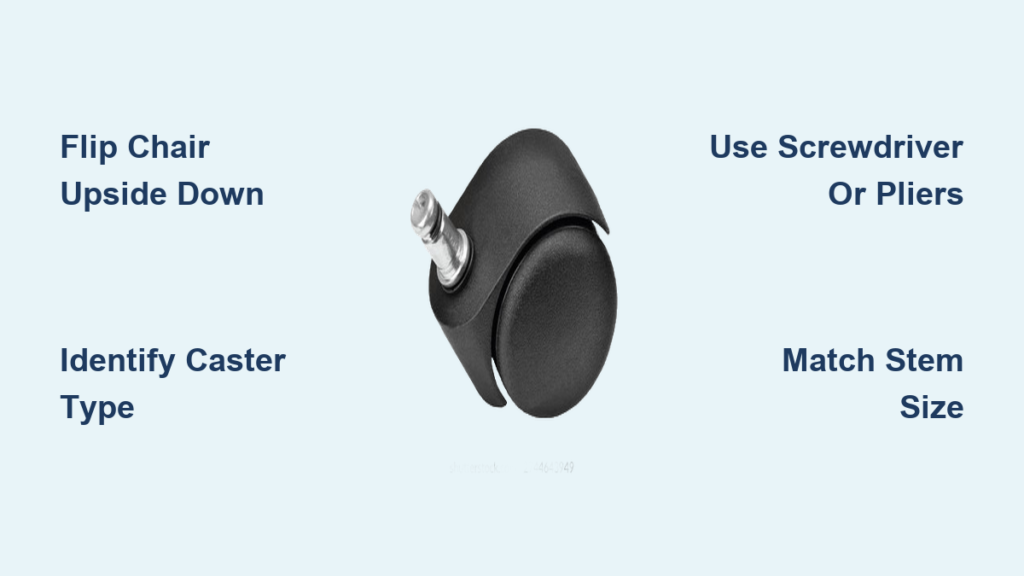
Casters are the most frequent cause of rolling issues. Start here if your chair drags, wobbles, or won’t move.
Pry Out Casters Safely
- Insert a flathead screwdriver under the edge of each caster.
- Apply steady upward pressure to pop it out.
- If stuck, rotate the screwdriver slightly to break the seal—do not hammer from below.
⚠️ Never use a hammer directly on casters—they can launch unexpectedly and cause injury or damage.
Check for Damage and Debris
Inspect each caster for:
– Cracks, warping, or flat spots
– Hair, dust, or carpet fibers jamming the wheel
– Bent stems or worn bearings
Clean wheels with soapy water and a brush. Replace any that are cracked, stiff, or don’t spin smoothly.
Reinstall or Replace Casters
- Reuse original casters if they’re in good condition—they often fit new bases.
- Push each caster firmly into the base until it snaps securely.
- Flip the chair upright and test roll on a flat surface.
Remove the Old Base
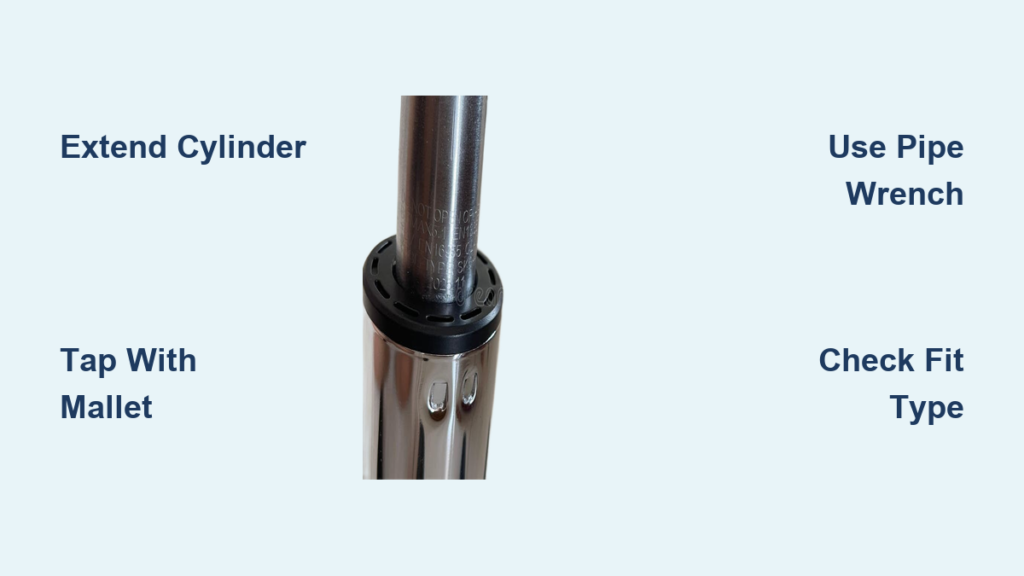
The five-star base connects to the gas cylinder via a tapered fit—a tight, friction-based joint. Over time, it can seize, making removal difficult.
Use the Tap-and-Pull Method (Most Effective)
- Wrap the gas cylinder with a microfiber cloth to prevent dents.
- Hold the base firmly with one hand and pull upward slightly.
- With a sledgehammer, strike the bottom of the cylinder with firm, controlled taps.
- The base should pop off as the taper seal breaks.
✅ This method works on most chairs, including Steelcase V1 Think models.
Try the Rubber Mallet Technique
If you don’t have a sledgehammer:
1. Remove casters to access the base arms.
2. Tap the sides of each base leg with a rubber mallet.
3. Rotate and strike evenly around all five legs.
🔔 Avoid hitting the locking clip—this small metal ring secures the gas cylinder. Damaging it can cause the chair to collapse.
Apply Lubricant for Stubborn Bases
If the base won’t budge:
1. Spray silicone-based WD-40 around the base-cylinder joint.
2. Let it soak for at least 1 hour (overnight for older chairs).
3. Wipe excess with a paper towel, then retry the tap-and-pull method.
Silicone WD-40 reduces friction without attracting dust.
Strike the Base (Alternative Force Method)
- Place a cloth on the base near the cylinder.
- Use a hammer to tap each leg, rotating between strikes.
- This loosens tension in the taper.
Use moderate force to avoid damaging the base finish.
Use a Pipe Wrench as Last Resort
For extremely stuck bases:
1. On chairs like the Steelcase Think, remove internal cables first.
2. Grip the gas cylinder near the base with a pipe wrench.
3. Apply steady twisting force to pull the cylinder out.
Once the cylinder is free, the base comes off easily.
⚠️ This method risks scratching the cylinder—only use if other methods fail.
Install a New Base
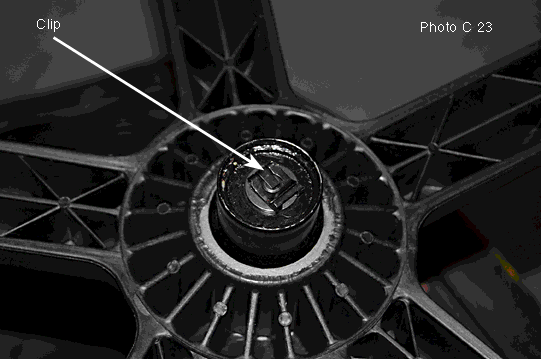
Replacing the base restores stability and rolling function. Follow these steps for a secure fit.
Clean and Align Components
- Wipe the gas cylinder and new base socket with a dry cloth.
- Remove dust, old lubricant, or debris.
- Align the new five-star base with the cylinder—ensure it sits centered and flush.
Tap the Base Into Place
- Place a cloth over the cylinder to protect it.
- Gently tap the base with a hammer or mallet until fully seated.
- The base should feel snug and immobile.
Optional: Flip the chair upright and sit in it—your weight helps lock the taper.
Test Stability and Movement
- Push the chair across the floor—wheels should roll smoothly.
- Sit and swivel—no wobbling or shifting.
- If the base feels loose, re-tap it or check for debris.
Diagnose Gas Cylinder Issues

If the chair sinks when you sit or won’t stay at the correct height, the gas lift may be failing.
Check for Height Adjustment Failure
- Raise the chair to its highest setting.
- Lower it slowly—does it drop suddenly or unevenly?
- If yes, the gas cylinder is likely leaking or worn out.
Inspect the Cylinder and Piston
Look for:
– Dents, scratches, or oil residue (signs of damage)
– A bent or corroded piston rod
– A loose connection at the base or seat
❌ A damaged cylinder cannot be repaired—it must be replaced.
Replace the Gas Lift (If Needed)
- Buy a replacement cylinder matching the original size and lift capacity (usually 100–120 mm).
- Remove the old cylinder by pulling it from the seat mechanism.
- Insert the new one and reattach the base.
This repair is more involved—consider professional help if unsure.
Fix: Cylinder Touches Floor But Wheels Don’t Engage

This common issue means the casters aren’t touching the ground.
Diagnose the Cause
Possible reasons:
– Gas cylinder compressed beyond normal range
– Worn or collapsed cylinder
– Improper base installation
– Damaged or missing casters
Step-by-Step Solution
- Remove the base and inspect the cylinder length.
- Compare it to a working chair—if shorter, replace it.
- Reinstall casters and ensure they’re fully seated.
- Test on a flat surface—uneven floors can mimic this issue.
Temporary Fixes (If Replacement Isn’t Immediate)
- Use a chair mat with a raised edge to elevate the base slightly.
- Add small rubber spacers under the base (only if stable and secure).
⚠️ Never modify the cylinder itself—this compromises safety.
Prevent Future Bottom Failures
Extend your chair’s life with simple maintenance habits.
Clean Casters Monthly
- Remove hair and debris from wheel mechanisms.
- Lubricate caster stems with silicone spray if stiff.
Avoid Excessive Force
- Don’t stand on the chair or exceed weight limits.
- Use smooth, controlled movements when adjusting height.
Reuse Original Parts When Possible
- Original casters and screws often fit new bases.
- Matching components reduces compatibility issues.
When to Replace vs. Repair
Repair If:
- Base is cracked but cylinder and casters work
- Casters are worn but seat and mechanism are intact
- Chair is high-quality (e.g., Steelcase, Herman Miller)
Replace If:
- Gas cylinder is damaged and replacement is costly
- Multiple components are failing
- Chair is over 7–10 years old with heavy wear
💡 Replacing a $20 base can save a $300 chair—repair when practical.
Final Testing and Safety Check
After any repair, verify safety and function.
Do This Before Use:
- Sit in the chair and adjust height 3–4 times.
- Swivel 360 degrees—no wobbling or grinding.
- Roll in all directions—wheels should move freely.
- Ensure no parts are loose or misaligned.
✅ A properly fixed chair should feel solid, smooth, and stable.
Frequently Asked Questions About Fixing Office Chair Bottoms
Why won’t my office chair roll even after cleaning the wheels?
Check if the casters are fully seated in the base. Wheels that aren’t snapped in completely won’t make contact with the floor. Also, inspect the gas cylinder—if it’s compressed or damaged, the base may sit too low for the casters to engage.
Can I replace just the base without changing the gas cylinder?
Yes. The five-star base and gas cylinder are separate components. As long as the cylinder is intact and holds height, you can safely replace only the base. Ensure the new base fits the cylinder’s diameter (standard is 7/8 inch or 22 mm).
How do I know if my gas lift is bad?
If your chair sinks when you sit, won’t stay at a set height, or makes a hissing sound, the gas cylinder is likely failing. Visually inspect for oil residue, dents, or a bent piston rod. If any are present, replace the cylinder.
What should I do if the base won’t come off?
Apply silicone-based WD-40 to the joint, wait at least 1 hour, then try the tap-and-pull method again. For extreme cases, use a pipe wrench to grip and twist the cylinder free. Always protect the cylinder with a cloth.
Can I use regular WD-40 instead of silicone-based?
You can, but silicone-based WD-40 is better—it lubricates without attracting dust and leaves a drier finish. Regular WD-40 can become sticky over time and collect debris.
Is it safe to repair an office chair myself?
Yes, if you follow safety steps: protect the gas cylinder, avoid excessive force, and never stand on the chair. Most repairs are low-risk and take under 10 minutes. If you’re unsure, consult a professional.
Key Takeaways for Fixing Your Office Chair Bottom
Fixing the bottom of an office chair is a simple, cost-effective way to restore comfort and safety. You can replace a damaged base, fix stuck casters, or diagnose gas cylinder issues with just a few tools. Always protect the gas cylinder, use controlled force, and test thoroughly after repairs. Replacing a $20 base can save a high-end chair—don’t throw it out over a fixable problem. If you’re unsure about gas cylinder replacement or the base remains stuck, consider professional help. With regular maintenance, your chair can last for years.