
Is your home office crammed into a corner, swallowing your bedroom, or hidden in a closet? You’re not alone. With remote work here to stay, more people are transforming tight spaces into functional work zones—without the luxury of square footage. The good news? A small home office can be stylish, efficient, and surprisingly spacious with the right design approach. Smart choices in layout, furniture, lighting, and storage can turn even the tiniest nook into a productive sanctuary.
This guide shows you how to decorate a small home office that maximizes every inch. You’ll learn how to choose the best spot in your home, pick space-saving furniture, use color and lighting to open up the room, and personalize your space without clutter. Whether you’re converting a closet, tucking a desk into your bedroom, or setting up shop in the living room, these proven strategies will help you create a workspace that feels intentional, inspiring, and uniquely yours.
Choose the Best Location for Your Workspace
Turn Unused Spaces Into Functional Offices
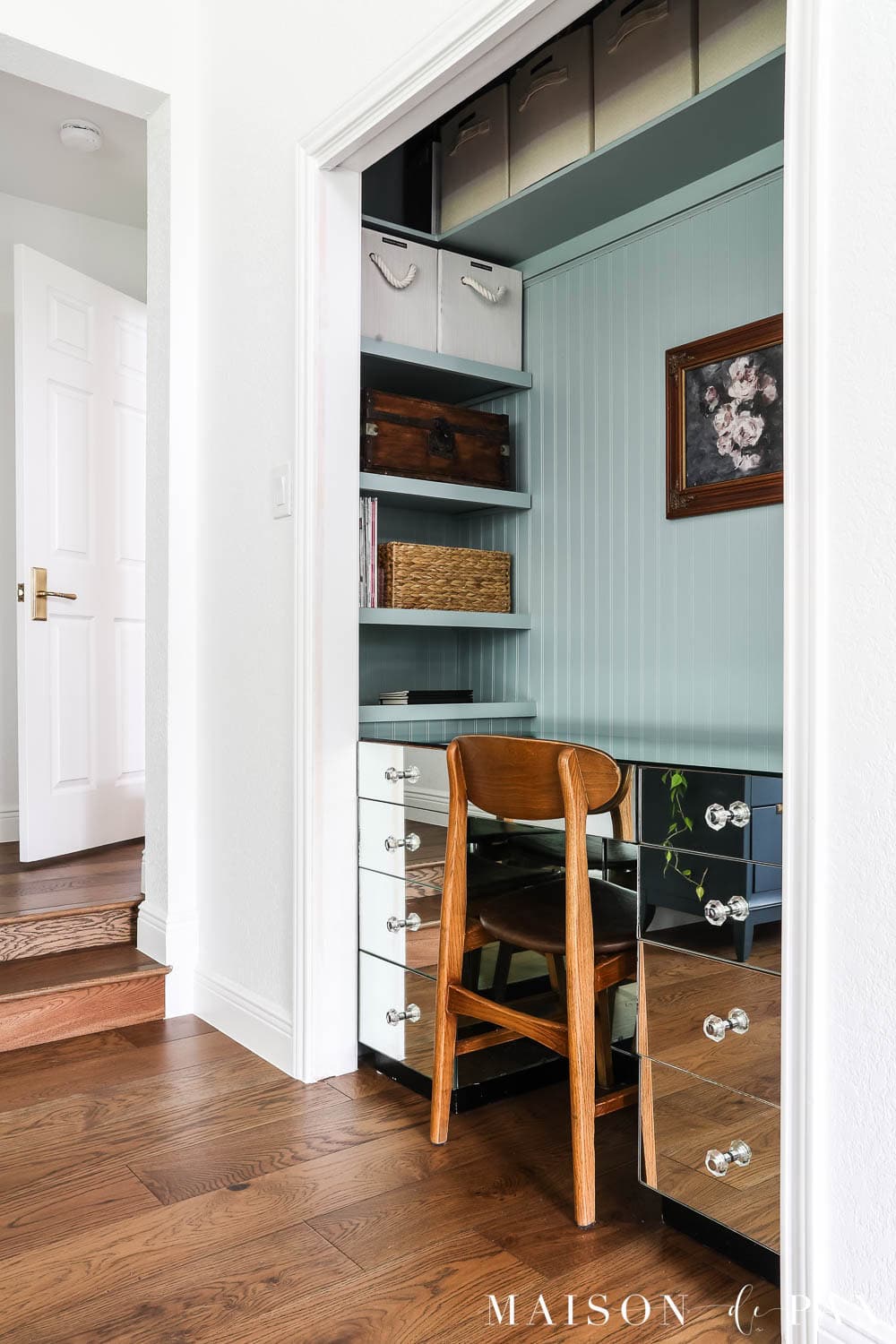
You don’t need a spare room to create a great home office. Many of the most effective small offices are built in overlooked areas. A closet conversion is one of the top solutions, with 25 design examples proving how effective it can be. Remove the doors or install sliding ones, add a wall-mounted desk, and use vertical shelving to store supplies—all within the existing footprint. At the end of the day, close it off and reclaim your space.
Attics are another smart choice, especially if you want separation from household noise. With 21 design examples to inspire you, attic offices often use dormer windows and sloped ceilings to create a cozy, focused environment. Position your desk against the lowest wall to avoid headroom issues, and use eaves for built-in storage.
If privacy isn’t essential, consider a bedroom study or a kitchen command center. A slim desk in a bedroom corner keeps work contained, while a kitchen nook with a bulletin board and rolling cart can handle quick tasks like scheduling or bill paying.
Evaluate Your Space Before You Buy Furniture
Before making any purchases, assess your area with these key factors in mind:
– Natural light: Place your desk near a window, but avoid direct sunlight on your screen to prevent glare.
– Traffic flow: Keep at least 36 inches of clearance around your workspace to avoid blocking pathways.
– Power access: Position your desk near an outlet or plan for a surge protector within reach.
– Storage needs: Identify what you need to store—files, supplies, tech—and plan storage accordingly.
Optimize Your Layout for Comfort and Flow

Position Your Desk for Focus and Visibility
Where you place your desk affects both productivity and comfort. If possible, face the room’s entrance. This gives you a sense of control and reduces distractions from foot traffic. Avoid placing your desk perpendicular to hallways or kitchen counters, where movement can break your concentration.
In shared rooms, define your workspace using an area rug, bookshelf, or room divider. This visual separation helps your brain switch into work mode and keeps your office zone distinct from living or sleeping areas.
Use Wall Space to Free Up Floor Area
To keep your floor clear, mount your desk to the wall. A fold-down or floating desk disappears when not in use. Corner desks are another smart option—they fit snugly into unused angles and maximize surface space.
If you’re floating furniture, only do so in rooms large enough to support it. In tight spaces, keep furniture against walls to maintain open walkways and prevent a cramped feel.
Select Space-Saving, Multi-Functional Furniture
Choose Compact Pieces That Work Harder
In a small home office, every piece of furniture should earn its place. Oversized desks or chairs can dominate the room. Instead, opt for scaled-down, multi-functional furniture:
– Wall-mounted desks that eliminate legs and free up floor space
– Secretary desks with fold-down surfaces and hidden storage
– Nesting tables that provide extra surface when needed
– Convertible furniture, like a console table that doubles as a desk
Desks with exposed legs create visual lightness, making the room feel more open. Avoid bulky, solid bases that block sightlines and make the space feel heavier.
Prioritize Ergonomics for Long-Term Comfort
Comfort is essential for focus and health. Choose a chair with lumbar support and adjustable height so your feet rest flat and your elbows form a 90-degree angle when typing.
Ensure your desk is 28–30 inches high—standard for most users. Position your monitor at eye level to prevent neck strain. Use a monitor stand or stack of books to raise your screen if needed.
Maximize Vertical Storage to Reduce Clutter

Install Floor-to-Ceiling and Wall-Mounted Shelves
When floor space is limited, go vertical. Floor-to-ceiling shelving uses unused wall space for books, supplies, and decor. Install wall-mounted shelves above your desk for quick access to frequently used items.
In closet offices, use adjustable shelving systems so you can customize shelf height. Add door-mounted organizers for pens, notepads, or headphones to make the most of every inch.
Use Smart, Multi-Purpose Storage Solutions
Keep clutter at bay with furniture that doubles as storage:
– Ottomans with hidden compartments
– Filing cabinets that double as side tables
– Rolling carts for mobile supply storage
Use pegboards for customizable, visible storage—perfect for cords, tools, or headphones. Open shelving units from big-box stores offer affordable, stylish organization.
For tight spaces, stack bins vertically and label them. Use drawer organizers to keep small items like paper clips and USB drives under control.
Use Color to Make Your Office Feel Larger
Stick to Light Neutrals for an Airy Feel
Color can dramatically change how a room feels. To make a small office feel bigger, choose light, neutral palettes:
– White and off-white walls reflect light and create brightness
– Warm greiges (gray-beige blends) add warmth without heaviness
– Soft grays and pale blue-grays offer modern calm
– Sage green introduces subtle color while staying neutral
These tones work especially well in rooms with limited natural light, helping to bounce available light around the space.
Add Dark Accents for Bold Style
If you love drama, consider a black-themed office—with 19 design examples to inspire you. Dark walls can create a moody, sophisticated vibe when balanced:
– Use dark paint on one accent wall instead of all four
– Pair black walls with light furniture or wood tones to avoid a cave-like feel
– Add textural variety—matte, gloss, velvet, or leather—to keep the space dynamic
Dark colors work best when paired with strong lighting and reflective surfaces.
Layer Your Lighting for Function and Ambiance
Combine Ambient, Task, and Accent Light
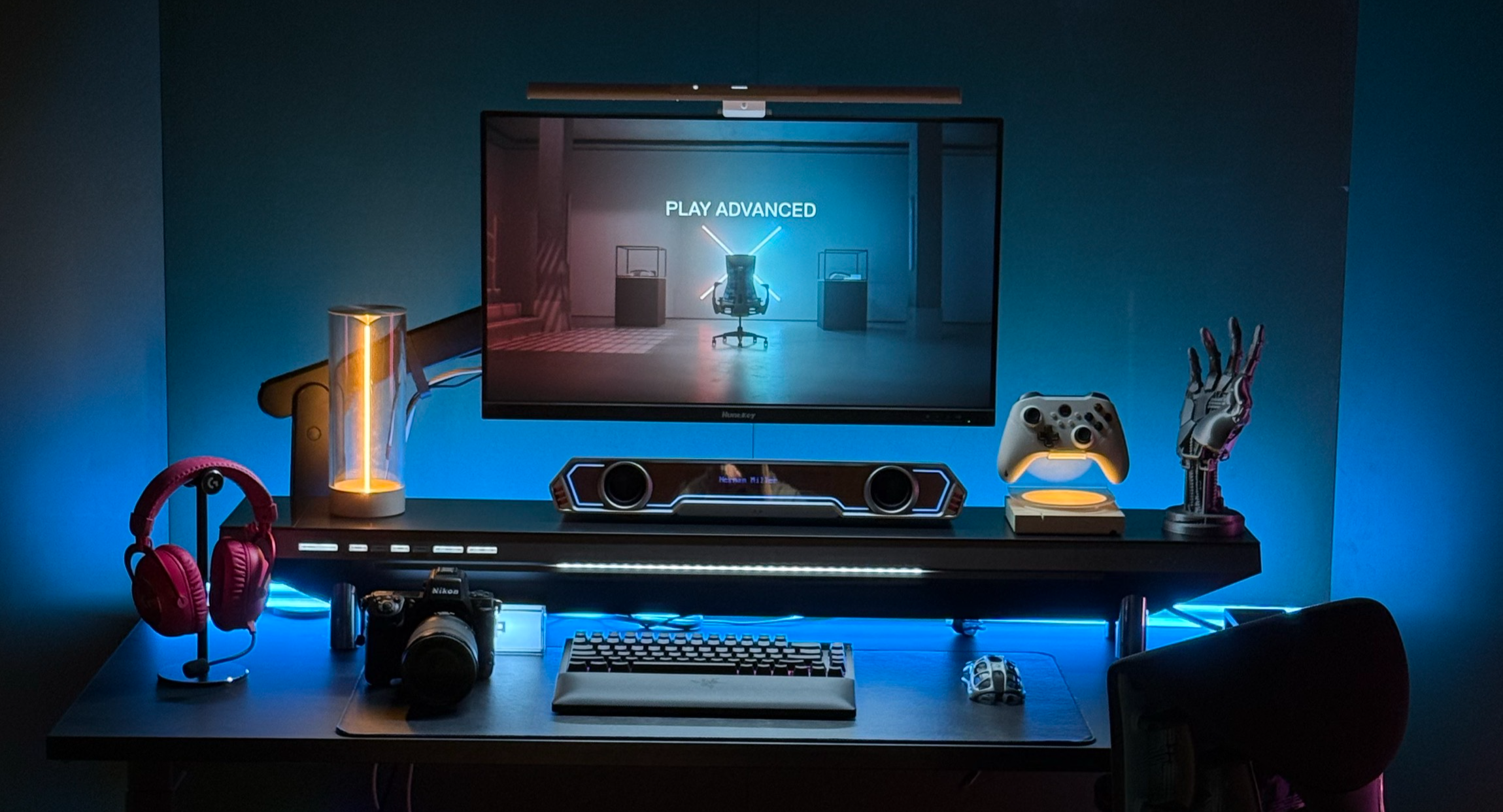
Flat, single-source lighting makes small offices feel dull. Instead, use a layered lighting approach:
– Ambient: Ceiling lights or overhead fixtures for general illumination
– Task: Desk lamps, under-shelf LEDs, or swing-arm lights for focused work
– Accent: Wall sconces or picture lights to highlight art or shelves
This mix creates depth and flexibility, letting you adjust brightness based on the time of day or task.
Choose Space-Saving Light Fixtures
In tight areas, wall-mounted swing-arm lamps are ideal—they provide task lighting without taking up desk space. Under-shelf LED strips illuminate work surfaces subtly. Pendant lights add style over a desk, while dimmable floor lamps offer ambient light with adjustable intensity.
For natural light, keep window treatments sheer or minimal. Use mirrors opposite windows to reflect and amplify daylight.
Match Your Office to Your Design Style
Create a Masculine Home Office
For a bold, grounded look, try a masculine home office:
– Dark wood furniture and leather seating
– Industrial elements like metal shelves or exposed bulbs
– Muted tones—charcoal, brown, olive green
– Minimalist accessories with functional purpose
This style feels professional and private, perfect for serious work.
Go for Small Elegance
Prefer refined and sophisticated? The small elegance style (with 2 documented examples) focuses on quality over quantity:
– Streamlined furniture with clean lines
– Subtle luxury—brass hardware, marble accents
– Curated decor, not clutter
– High-end materials in compact forms
Choose a few standout pieces instead of filling the room.
Try a Black-Themed Office
With 19 design examples, black-themed offices prove dark can be dramatic and effective:
– Black walls or matte finishes
– Contrasting accents in white, gold, or wood
– Strategic lighting to prevent gloom
– Textural layers to add interest
This style works best with strong task lighting and reflective surfaces like glass or metal.
Adapt Your Office to Any Room
Integrate an Office Into the Living Room
In open-concept homes, use a console table behind the sofa as a desk. Choose one that matches your living room style. Store supplies in decorative baskets or drawers to keep things tidy.
Add a bookshelf room divider to separate work from relaxation zones. This creates privacy without closing off the space.
Set Up a Bedroom Study
Keep your bedroom office compact. Use a slim writing desk in a corner and a chair that doubles as seating. Choose a desk with a hutch or vertical storage to avoid floor clutter.
At night, put work materials away to maintain a restful environment.
Create a Kitchen Command Center
For quick tasks, install a small shelf or rolling cart in the kitchen. Add a bulletin board for calendars and to-do lists. Store supplies in upper cabinets.
Use a stool that tucks completely under the counter when not in use. This keeps the space functional but unobtrusive.
Solve Common Small Office Problems
Fix Limited Storage
If you’re running out of space, go vertical. Use wall shelves, pegboards, and tall cabinets. Nest storage bins and label them. Declutter monthly—keep only what you use.
Reduce Visual Clutter
A cluttered desk kills focus. Keep surfaces clear—only essentials like your laptop, lamp, and notebook. Use closed storage for supplies. Limit decor to one or two meaningful items.
Update Dated Looks
Outdated beige walls or dark brown furniture can make a space feel tired. Repaint with modern neutrals like greige or soft gray. Update hardware on existing furniture. Use removable wallpaper for a quick accent wall.
Improve Flat Lighting
If your office feels flat or shadowy, add multiple light sources at different heights. Use a dimmable overhead light, a desk lamp, and LED strips under shelves. Choose warm bulbs (2700K–3000K) for comfort or cool bulbs (4000K–5000K) for focus.
Personalize Your Office on a Budget
Repurpose What You Already Own
You don’t need to buy everything new. Turn a bookshelf into a desk hutch. Use a ladder as a plant stand or towel rack. Paint an old dresser to use as a filing cabinet.
Pegboards and floating shelves are affordable DIY upgrades that add function and style.
Add Meaningful, Inspiring Touches
Make the space yours:
– Hang art that motivates you
– Add a small plant for freshness and color
– Use a corkboard or magnetic board for notes and inspiration
– Rotate seasonal decor to keep the space feeling fresh
Choose decor that reflects your personality—but keep it minimal.
Frequently Asked Questions About Decorating a Small Home Office
What’s the best place to put a small home office?
The best location depends on your needs. Closet conversions, attic spaces, and bedroom corners are popular choices. Look for underused areas with access to natural light and power outlets.
How can I make a small office feel bigger?
Use light colors, maximize natural light, choose furniture with exposed legs, and add mirrors to reflect light. Keep surfaces clear and go vertical with storage to reduce visual clutter.
What furniture saves the most space in a small office?
Wall-mounted desks, corner desks, secretary desks, and nesting tables are top space-savers. Look for multi-functional pieces like filing cabinets that double as side tables.
How do I add storage without cluttering a small office?
Use vertical storage like floor-to-ceiling shelves, pegboards, and wall-mounted units. Choose furniture with hidden storage—ottomans, filing cabinets, rolling carts—and label bins for easy access.
Can I have a stylish office in a tiny space?
Absolutely. Focus on a cohesive design style—like masculine, small elegance, or black-themed—and use quality materials, intentional lighting, and curated decor to create a polished look.
How important is lighting in a small home office?
Critical. Layer ambient, task, and accent lighting to avoid flat, shadowy spaces. Use swing-arm lamps, under-shelf LEDs, and dimmable fixtures to create a comfortable, functional environment.
Key Takeaways for Decorating Your Small Home Office

A small home office doesn’t have to mean compromise. By choosing the right location, using space-saving furniture, maximizing vertical storage, and layering lighting, you can create a workspace that feels open, efficient, and inspiring. Focus on function first—ergonomics, storage, and layout—then add personal touches that reflect your style.
Start with one change: reposition your desk, add a floating shelf, or swap out a harsh bulb for a warm one. Small updates can make a big difference. With these strategies, your compact office can become your most productive and peaceful room.



