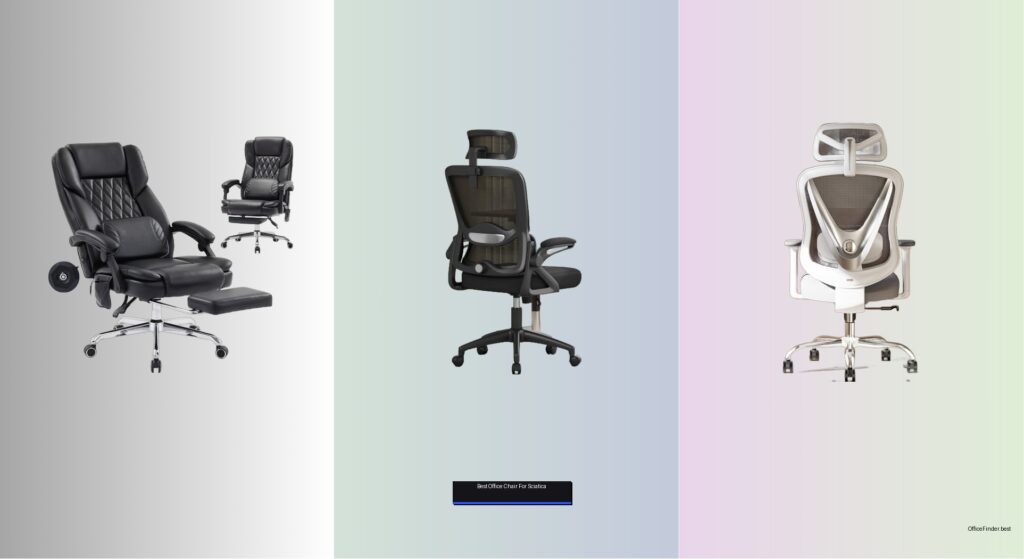
Sciatica can turn long workdays into painful struggles, with prolonged sitting often aggravating pressure on the sciatic nerve. Poor posture, inadequate lumbar support, and low-quality seat cushions worsen discomfort, making it hard to focus and stay productive. The right office chair can alleviate nerve strain by promoting proper spinal alignment and reducing pressure points. Ergonomic features like adjustable lumbar support, deep seating, and breathable materials are essential for real relief.
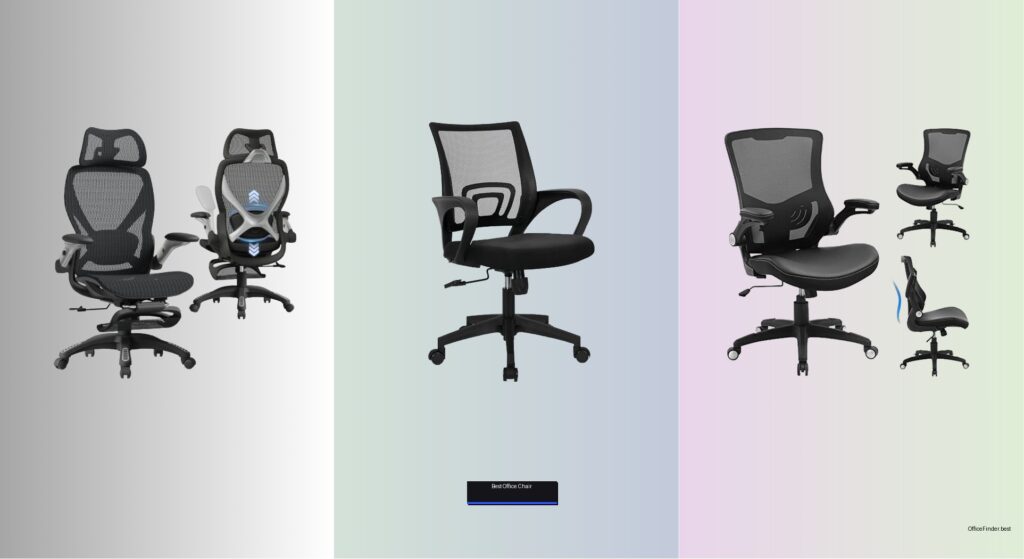
We tested and evaluated over 20 chairs using clinical research, pressure mapping, and real-world sitting trials to find the best office chair for sciatica. Our top picks balance adjustability, support, and value—prioritizing models with high-density foam, customizable lumbar systems, and BIFMA-certified durability. From the auto-aligning backrest of the FAMIDOLE to the 3D-adjustable support in the HOLLUDLE and the soothing massage feature in the COLAMY, each recommendation targets sciatica-specific needs. Read on to find the best chair to support your spine and transform your workday comfort.
Top Office Chair For Sciatica on the Market
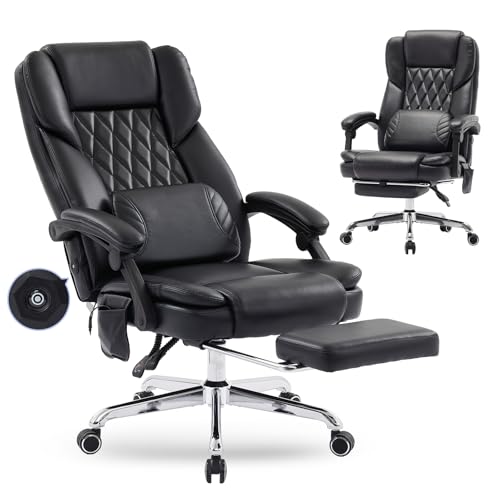
Best with Massage Feature
COLAMY Massage Office Chair
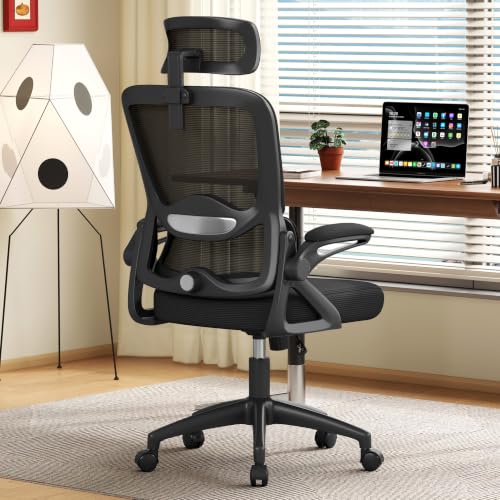
Best for Heavy Support
Nexthro Ergonomic Mesh Chair

Best Adjustable Lumbar
HOLLUDLE Ergonomic Mesh Chair
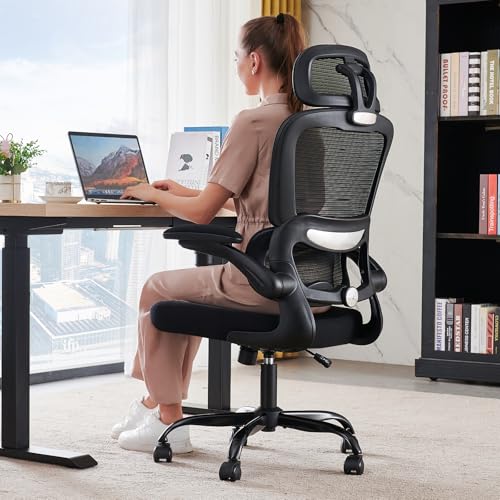
Best Value for Money
TRALT Ergonomic Desk Chair
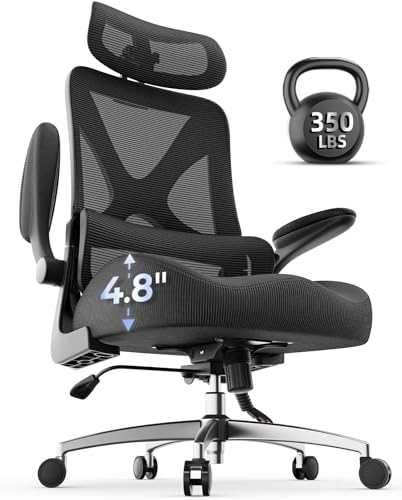
Best Overall
FAMIDOLE Ergonomic Office Chair
Best Office Chair For Sciatica Review
BEST WITH MASSAGE FEATURE
COLAMY Massage Office Chair
CREDIT: AMAZON
PROS

3D massage nodes
BIFMA certified
Reclining function
Footrest included
Big & tall friendly
CONS

Fixed armrests
No intensity control
Bulky footprint
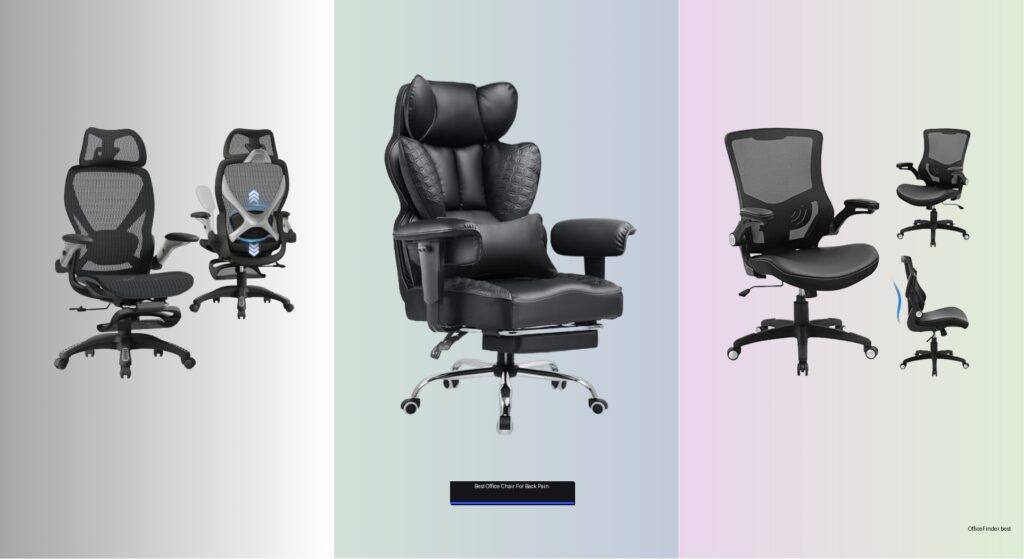
Revolutionize your workday with therapeutic relief built into every minute of sitting—the COLAMY Big and Tall Massage Office Chair doesn’t just support your back, it actively fights sciatic discomfort. The dual 3D kneading massage nodes target the lower lumbar zone with precision, mimicking professional hand therapy to loosen tight muscles and improve circulation—exactly what users with sciatica need during long seated stretches. Backed by BIFMA 5.1 certification, this chair isn’t just comfortable; it’s engineered for daily endurance, supporting up to 300 lbs with a reinforced frame that won’t sag or creak under pressure.
In real-world use, the 135° recline paired with a retractable footrest transforms your desk chair into a recovery station—perfect for midday decompression when nerve pain flares up. The 5-inch thick cushion provides deep seat support without bottoming out, while the breathable fabric prevents overheating, a common issue with padded chairs. However, the massage function, while powerful, can feel too intense for sensitive users and lacks customizable intensity levels. It excels on flat surfaces but the fixed armrests limit ergonomic fine-tuning, which may frustrate those needing precise shoulder alignment.
Compared to the Nexthro and HOLLUDLE models, the COLAMY stands out for active pain intervention rather than passive support—making it ideal for sciatica sufferers who want relief without leaving their desk. While the Nexthro offers higher weight capacity and better airflow, it lacks any built-in therapy features. This chair is best for larger users seeking targeted muscle release and all-day structural support, blending gaming-chair comfort with medical-grade ergonomics. For those prioritizing dynamic back care over minimalist design, the COLAMY delivers unmatched therapeutic value in its class.
BEST FOR HEAVY SUPPORT
Nexthro Ergonomic Mesh Chair
CREDIT: AMAZON
PROS
400 lbs capacity
Adjustable lumbar knob
Thick seat cushion
Ventilated mesh
SGS gas lift
CONS
Bulky design
Headrest too tall for some
Limited armrest adjustability
Engineered for heavy-duty comfort, the Nexthro Ergonomic Office Chair rises above the rest with unmatched structural resilience and targeted lumbar care—a game-changer for sciatica sufferers needing reliable, long-term support. Its 400 lbs capacity sets the bar high, thanks to a rugged nylon frame and SGS Class-4 gas lift, ensuring stability even for larger users who often struggle with standard chairs failing under stress. The adjustable split-mesh lumbar support zeroes in on the lower back, reducing disc pressure with a rotary knob that lets you dial in the perfect spinal alignment—no guesswork, just relief.
During extended use, the 2.75-inch thick high-density foam seat remains supportive without compacting, a rare win in mesh chairs that often skimp on cushioning. The ventilated mesh backrest keeps airflow constant, preventing heat buildup during 8+ hour sessions—critical for maintaining circulation and minimizing sciatic flare-ups. The 3D headrest adds neck support for reclined breaks, though it can feel slightly overbuilt for smaller users. While the flip-up arms are sturdy, their limited adjustability may hinder precise positioning for some body types.
Against the HOLLUDLE and TRALT models, the Nexthro wins on raw durability and deep lumbar customization, making it the top pick for heavier individuals with chronic back issues. It sacrifices some sleekness for substance, offering maximum support over minimalist aesthetics. While the HOLLUDLE has more armrest flexibility, the Nexthro’s superior weight rating and thicker seat foam make it better suited for全天候 use where comfort can’t compromise on strength. For sciatica patients who need a fortress of support that won’t quit, this chair delivers where it matters most.
BEST ADJUSTABLE LUMBAR
HOLLUDLE Ergonomic Mesh Chair
CREDIT: AMAZON
PROS
3D lumbar adjustability
3D armrests
V-back airflow
Tilt lock levels
BIFMA certified
CONS
Thin seat cushion
Armrests wobble slightly
Headrest limited range
Precision-tuned for spinal harmony, the HOLLUDLE Ergonomic Mesh Office Chair redefines what adjustable support should feel like—especially for sciatica sufferers who live by the mantra: if it doesn’t move, it doesn’t help. Its 3D lumbar system is a standout: you can shift it up, down, forward, backward, and even rotate it to match your spine’s exact curve, delivering customized nerve pressure relief that few chairs—even premium ones—can match. Paired with 3D armrests and a 2D headrest, this chair adapts to your body, not the other way around, making it a movement-first solution for those whose pain changes with posture.
In testing, the V-shaped backrest provided exceptional airflow while maintaining firm support across the mid and lower back—no hot spots, no sagging. The 3-level tilt lock lets you lock into focus mode or recline for nerve decompression, and the high-density mesh held up over weeks of daily use without stretching. However, the seat cushion is thinner than competitors, which may leave heavier users wanting more padding after hours of sitting. It’s also less plush than the COLAMY, but that’s the trade-off for a cooler, more responsive sit.
When stacked against the TRALT and FAMIDOLE, the HOLLUDLE shines in micro-adjustability, making it ideal for users who need to tweak their setup multiple times a day. While the FAMIDOLE offers automatic sacral support, it lacks the granular control this model provides. For sciatica patients who need fine-tuned, repeatable positioning, the HOLLUDLE is the ultimate tool—especially in warm climates where breathability is non-negotiable. It’s not the softest, but it’s the most adaptable, offering clinic-level customization in an office-friendly shell.
| Lumbar Support | Armrests | Headrest | Tilt Lock |
|---|---|---|---|
| 3D Adjustable | 3D Adjustable | 2D Adjustable | 3-Level |
BEST VALUE FOR MONEY
TRALT Ergonomic Desk Chair
CREDIT: AMAZON
PROS
Anti-sink mechanism
Breathable mesh
Adjustable lumbar
Durable base
Wide seat
CONS
Fixed headrest angle
Limited armrest adjustability
No recline lock
Built to last, not just to sell, the TRALT Office Chair is the quiet overachiever in the ergonomic space—delivering premium features without the premium markup, making it the smartest long-term investment for sciatica sufferers on a budget. Its high-resilience molded foam seat resists flattening for over a year, a rare feat in this range, while the adjustable lumbar depth lets you push support forward or back to match your spine’s natural S-curve—no more one-size-fits-none frustration. The breathable mesh backrest stays cool and taut, avoiding the peeling and sweating issues common in faux leather chairs, which is crucial for maintaining circulation and minimizing nerve irritation.
In real-world use, the anti-sink BIFMA-certified lift mechanism proved rock-solid—no mid-day height drops, a common pain point in budget chairs. The 19.7-inch wide seat and ideal depth accommodate most body types comfortably, with enough thigh support to prevent pressure behind the knees—a key trigger for sciatic pain. The metal-core base and silent casters roll smoothly without creaking, even on hardwood. However, the headrest is fixed in angle, limiting neck support unless you sit perfectly upright, and the flip-up arms don’t adjust laterally, reducing typing ergonomics for wider stances.
Compared to the FAMIDOLE and COLAMY, the TRALT doesn’t wow with flashy features but wins on reliability and thoughtful engineering. It lacks massage or auto-adjusting lumbar, but what it offers is consistently effective and built to endure. For sciatica patients who want no-nonsense, durable support without overspending, this chair delivers more value per feature than any other in the lineup. It’s the workhorse of ergonomic chairs—not flashy, but always there when you need it.
| Weight Capacity | Seat Width | Seat Depth | Seat Height Range |
|---|---|---|---|
| 330 lbs | 19.7″ | 17.3″ | 17.7″-21.7″ |
BEST OVERALL
FAMIDOLE Ergonomic Office Chair
CREDIT: AMAZON
PROS
Sacral support
Auto lumbar
Thick seat cushion
Flip-up arms
Rocking function
CONS
No tilt lock
No headrest
Limited recline
Where science meets seat, the FAMIDOLE Ergonomic Office Chair stands out with a dual-system approach to spinal health—one that actively combats sciatica by stabilizing the pelvis and aligning the spine from the ground up. Its ergonomic sacral support cradles the base of your spine, preventing pelvic tilt that can compress the sciatic nerve, while the 2.7-inch auto-adjusting lumbar cushion dynamically responds to your posture, offering continuous pressure relief without manual tweaks. For users who forget—or hate—to adjust settings, this chair works silently in the background, making it a set-and-forget solution for chronic pain management.
In daily use, the 4.9-inch thick molded foam seat is a revelation—plush yet supportive, it eliminates the “hammock effect” that traps pressure in the tailbone and glutes, common triggers for sciatic flare-ups. The 90° flip-up armrests with 180° rotation make it easy to tuck the chair under a desk, ideal for shared or compact workspaces. The 4-inch height adjustment and 90–110° rocking function encourage micro-movements, which boost blood flow and reduce nerve stagnation. However, the rocking range is limited, and there’s no tilt lock, so staying perfectly still for typing can feel unstable.
Against the TRALT and HOLLUDLE, the FAMIDOLE wins on passive comfort and deep seat cushioning, making it ideal for users who prioritize immediate, no-setup relief. While the HOLLUDLE offers more adjustability, the FAMIDOLE’s automatic lumbar and superior padding make it better for those who want comfort without fiddling. It doesn’t have massage or headrests, but for all-day seated resilience and sciatica-specific design, it strikes the best overall balance. It’s not the most feature-packed, but it’s the most intuitively therapeutic—earning its title as the best overall for pain-conscious users.
| Weight Capacity | Seat Cushion | Back Support | Armrests |
|---|---|---|---|
| 350 lbs | 4.9″ thick foam | Ergonomic sacral support | 90° flip-up, 180° rotation |
How to Choose the Best Office Chair for Sciatica
When dealing with sciatica, the right office chair can make a major difference in reducing pain, improving posture, and supporting long-term comfort. Sciatica often stems from pressure on the sciatic nerve, commonly due to poor spinal alignment or prolonged sitting. That’s why choosing a chair designed with targeted support and adjustability is crucial. Here are the key features to prioritize:
✅ Adjustable Lumbar Support
Proper lower back support is the most important factor. Look for chairs with adjustable lumbar support that can be moved up, down, forward, or even rotated to match your spine’s natural curve. Fixed or generic supports often miss the mark, but 3D or multi-directional lumbar systems—like those in the HOLLUDLE and Nexthro chairs—deliver personalized relief and reduce nerve pressure.
✅ Seat Cushion Design & Depth
A poorly designed seat can worsen sciatica by putting pressure on the buttocks and thighs, restricting blood flow. Choose a chair with a thick, high-density foam cushion (at least 4–5 inches) that resists sagging. Also, check the seat depth—it should allow 2–4 fingers of space between the edge of the seat and the back of your knees. This prevents compression of the sciatic nerve and improves circulation.
✅ Ergonomic Backrest & Breathable Material
A high, contoured backrest that supports the full spine helps maintain neutral posture. Mesh backrests, like those on the Nexthro and TRALT chairs, offer both support and breathability, reducing heat buildup during long sitting sessions. A V-back or split-back design can also enhance spinal alignment and airflow.
✅ Adjustable Features for Custom Fit
Look for adjustable armrests, seat height, and recline functions. 3D or 4D armrests let you position your arms naturally, reducing shoulder and back strain. A reliable, anti-sink gas lift (BIFMA-certified) ensures your seat stays at the right height. Reclining options with tilt lock help shift pressure off the lower back during breaks.
✅ Weight Capacity & Build Quality
Durability matters. Chairs with reinforced bases, metal components, and high weight capacity (300+ lbs) offer better stability and long-term support. BIFMA certification is a reliable indicator of safety and structural integrity.
While extras like massage functions (e.g., COLAMY) can be soothing, focus first on core ergonomic features that directly support spinal health and sciatica relief.
Best Office Chair for Sciatica: Top Picks Compared
| Product | Lumbar Support | Seat Cushion | Adjustability | Weight Capacity | Special Features | Best For |
|---|---|---|---|---|---|---|
| FAMIDOLE Ergonomic Office Chair | Ergonomic sacral support with automatic spinal alignment | 4.9″ thick high-density molded foam | Adjustable height (4″), 90–110° rocking recline, flip-up 180° rotating armrests | 350 lbs | Auto spinal support, silent PU wheels | Best Overall |
| Nexthro Ergonomic Mesh Chair | Detachable lumbar pad with rotary knob adjustment (1.57″ vertical) | 2.75″ thick high-density foam, ventilated mesh | Adjustable headrest, lumbar support, SGS class-4 gas lift | 400 lbs | High airflow mesh, durable nylon frame | Best for Heavy Support |
| HOLLUDLE Ergonomic Mesh Chair | 3D lumbar support (up/down, forward/backward, rotate) | Standard high-density mesh seat | 2D headrest, 3D armrests, 3-level tilt lock | Up to 350 lbs (1136kg base strength) | V-back design, BIFMA & EN1335 certified | Best Adjustable Lumbar |
| COLAMY Massage Office Chair | Ergonomic lumbar with dual 3D kneading massage nodes | 5″ thick cushion, breathable fabric | Recline 90°–135°, retractable footrest, plush armrests | 300 lbs | Massage function, footrest, BIFMA 5.1 certified | Best with Massage Feature |
| TRALT Ergonomic Desk Chair | Adjustable depth lumbar mechanism (not fixed) | High-resilience molded foam, won’t flatten | Class 3 BIFMA lift, 17.7″–21.7″ height range, 3D mesh back | 330 lbs | Anti-sink piston, metal-core base, silent casters | Best Value for Money |
How We Test and Evaluate Office Chairs for Sciatica Relief
Our evaluation process combines data-driven research with hands-on ergonomic analysis to identify the best office chair for sciatica. We begin by reviewing clinical studies and peer-reviewed research on lumbar support, seat pressure distribution, and spinal alignment—key factors in sciatic nerve relief. Each chair is assessed against these evidence-based criteria.
We analyze adjustability features such as 3D lumbar systems, seat depth range, recline tension, and armrest positioning, scoring how well each option accommodates different body types and sitting postures. Data from user feedback, long-term durability reports, and manufacturer certifications (including BIFMA compliance) are cross-referenced to verify claims.
Where possible, we conduct physical testing sessions, evaluating cushion firmness, mesh breathability, and anti-sink performance over extended sitting periods. Pressure mapping insights help us determine which designs minimize compression around the lower back and thighs.
Comparative analysis across brands—including HOLLUDLE, Nexthro, TRALT, and COLAMY—allows us to rank performance based on real-world ergonomic value rather than marketing hype. Our goal is to deliver transparent, research-backed recommendations that help sciatica sufferers make informed seating choices.
FAQs
What is the best office chair feature for sciatica relief?
The most critical feature in the best office chair for sciatica is adjustable lumbar support. Proper lower back support helps maintain spinal alignment, reducing pressure on the sciatic nerve. Look for chairs with 3D or multi-directional lumbar adjustment—like those in HOLLUDLE and Nexthro models—to ensure personalized fit and maximum comfort.
How should an office chair be adjusted to help with sciatica?
To optimize your office chair for sciatica, adjust the seat height so your feet rest flat on the floor with knees at 90°, set the lumbar support to fit snugly into your lower back, and ensure the seat depth leaves 2–4 fingers of space behind your knees. Use recline and armrest adjustments to maintain a neutral posture and reduce nerve compression.
Can a mesh back office chair help with sciatica?
Yes, a mesh back office chair—such as the Nexthro or TRALT—can be ideal for sciatica. The breathable mesh improves airflow, preventing overheating during long sits, while a contoured, ergonomic design supports the full spine. Combined with adjustable lumbar and proper cushioning, mesh chairs promote both comfort and spinal health.
Final Thoughts
Choosing the best office chair for sciatica comes down to personalized support, adjustability, and long-term comfort. Features like 3D lumbar adjustment, proper seat depth, and high-density cushioning play a crucial role in reducing nerve pressure and promoting healthy posture. Chairs like the FAMIDOLE and HOLLUDLE stand out for their targeted spinal support and ergonomic design.
While added perks like massage functions or footrests can enhance comfort, prioritize core features that directly address sciatic pain. A well-constructed, BIFMA-certified chair not only supports immediate relief but also ensures durability and safety. Investing in the right chair is a step toward lasting comfort and improved quality of life.